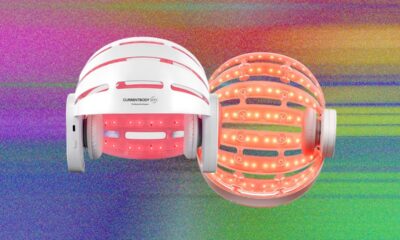
A man who shaved his head 15 years ago and had not seen regrowth since reports that a specialized LED cap changed that outcome. The user, who had previously accepted permanent hair loss, described the change as significant after using the GroWell LED cap consistently.
Background on Hair Loss and LED Technology
Pattern baldness affects millions of men and women worldwide. It often results in gradual thinning followed by complete loss in specific areas. Standard treatments include topical minoxidil, oral finasteride, and surgical transplants. Low-level laser therapy, or LLLT, has emerged as a non-invasive alternative that uses red and near-infrared light to stimulate cellular activity in hair follicles.
The GroWell cap is a wearable device that emits specific wavelengths of light. Manufacturers of such devices claim that the light penetrates the scalp and encourages blood flow and energy production in follicle cells. This process is believed to reactivate dormant follicles and extend the growth phase of existing hairs.
User Experience and Reported Results
The individual in this case reported that before using the cap, he had no visible hair on his scalp for 15 years. He described the regrowth as noticeable and stated that he no longer needed to shave his head. He did not specify the exact duration of use or frequency of sessions required to achieve the result.
He also noted that the device did not require additional products or prescription medication. The simplicity of the routine was a factor in his adherence. Such anecdotal reports align with a growing body of clinical research that supports the efficacy of LLLT for androgenetic alopecia, though individual results vary widely.
Implications for Hair Loss Management
This case highlights the potential of medical-grade light therapy as a home-use treatment option. It adds to the growing number of user testimonials that claim reversal of long-standing baldness. However, experts caution that results depend on the extent of follicle miniaturization and the underlying cause of hair loss. Completely dormant follicles after 15 years may have different responsiveness compared to recently thinning ones.
Clinical studies on LLLT have shown modest increases in hair count and density after several months of regular use. The FDA has cleared several low-level laser devices for hair regrowth, including caps, combs, and helmets. The mechanism is considered safe, with no major adverse effects reported in trials.
Cost and Accessibility
The GroWell cap is available online and at select retailers. Prices typically range from several hundred to over a thousand dollars depending on model and technology. Some users opt for rental programs or payment plans. Insurance rarely covers such devices as they are considered cosmetic.
Potential buyers are advised to consult with a dermatologist before starting treatment. A professional diagnosis can rule out other causes such as thyroid disorders, nutritional deficiencies, or scarring alopecia, which may not respond to light therapy.
Market and Future Developments
The global hair growth device market is projected to grow steadily as awareness of non-surgical options increases. Companies continue to refine cap designs for comfort, battery life, and light intensity. Future iterations may incorporate app-based usage tracking or personalized wavelength combinations.
For now, users like the one featured in this report serve as anecdotal evidence that long-term baldness may not be irreversible for all individuals. Further research and longer-term follow-ups will help clarify which patient profiles benefit most from LED-based therapy.