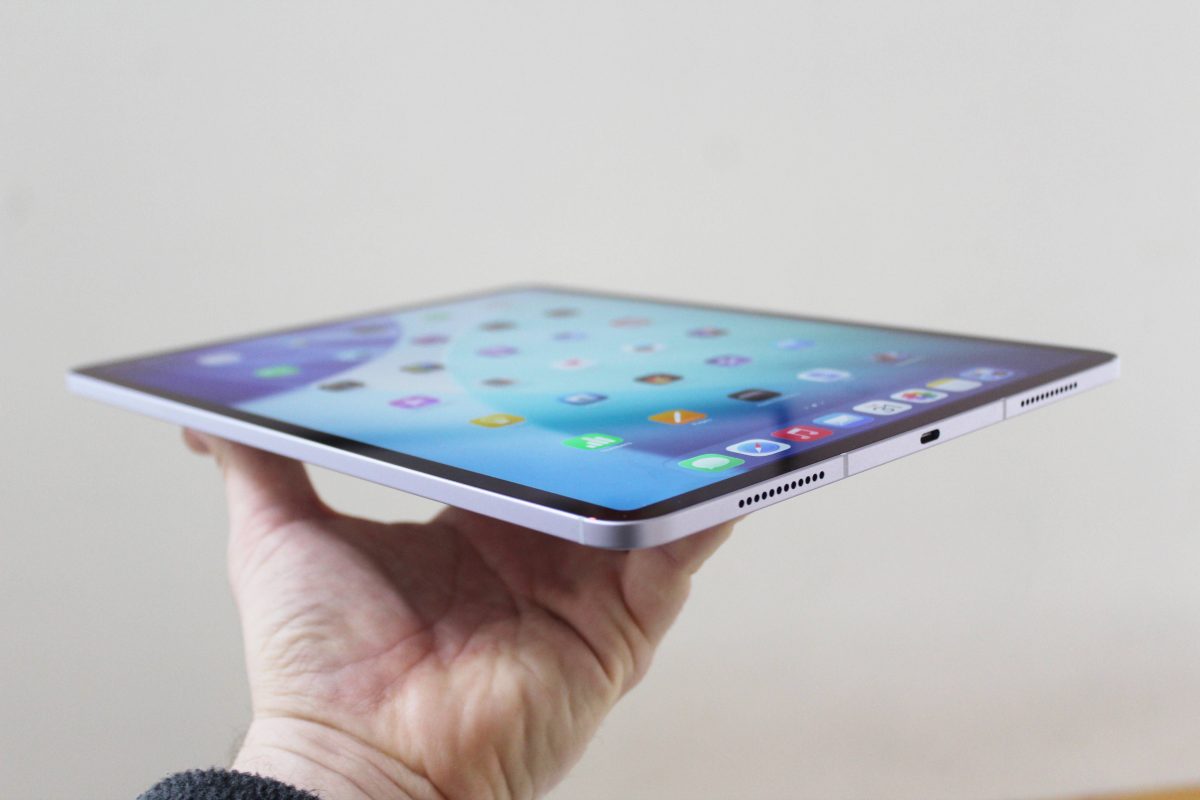

Apple has updated its tablet lineup for 2026, offering four distinct models that cater to different user needs. With the iPad Air, iPad Pro, iPad Mini, and the standard iPad all available, selecting the right device requires a clear understanding of their specifications and intended use cases. This analysis breaks down the current offerings to assist consumers in making an informed purchase decision.
iPad Pro: The High Performance Workhorse
The 2026 iPad Pro remains Apple’s flagship tablet, featuring the M4 chip and an Ultra Retina XDR display with tandem OLED technology. This model is built for creative professionals, video editors, and users who require maximum processing power for tasks such as 3D rendering or large file manipulation. The Pro also supports the Apple Pencil Pro and the Magic Keyboard, effectively functioning as a laptop replacement for many workflows. However, its starting price exceeds $1,000, making it an overinvestment for casual browsing or media consumption.
iPad Air: The Balanced Mid Range Option
The iPad Air, now powered by the M3 chip, occupies the middle ground in Apple’s 2026 lineup. It offers robust performance for multitasking, note taking, and light creative work at a more accessible price point, starting around $600. The Air is available in 11 inch and 13 inch sizes, and it supports the Apple Pencil Pro and the Magic Keyboard. For the majority of users, including students and office workers, this model provides the best balance of capability and cost. It lacks the Pro’s high refresh rate display and additional camera sensors, but these omissions are unlikely to affect everyday use.
iPad Mini: Compact Power for Portability
The iPad Mini, updated with the A17 Pro chip, is designed for users who prioritize portability over screen real estate. Its 8.3 inch display makes it ideal for reading, sketching on the go, or as a secondary device for pilots, field workers, and frequent travelers. The Mini supports the Apple Pencil Pro but does not work with the Magic Keyboard. Its smaller screen limits multitasking compared to larger models, and the price remains relatively high for its size, starting at $499. It is a specialized tool rather than a general purpose device.
Standard iPad: The Budget Entry Point
The entry level iPad, now in its 11th generation, retains the A16 Bionic chip and a 10.9 inch Liquid Retina display. It is the most affordable option, starting at $349, and supports the first generation Apple Pencil and the Smart Keyboard. This model is suitable for basic tasks such as web browsing, video streaming, and light document editing. However, its older chip and lower display quality make it less ideal for demanding applications or long term usage. Users planning to keep a tablet for several years may find the investment in an Air model more prudent.
Models to Approach With Caution
Certain configurations in the 2026 lineup warrant careful consideration. The iPad Pro with 256 GB of storage, while powerful, may prove insufficient for professionals who handle large video files or high resolution artwork. Upgrading to 512 GB or 1 TB significantly increases cost. Similarly, the standard iPad with only 64 GB of storage should be avoided, as the operating system and essential apps leave limited space for user content. Additionally, cellular models, while convenient, add a premium that may not be necessary for users who frequently access Wi Fi networks or can tether to a smartphone.
Consumers should also be wary of last year’s inventory or refurbished units of the iPad 10th generation. While cheaper, these models lack the Apple Intelligence features and the USB C connectivity improvements found in the 2026 standard iPad. As Apple phases out Lightning connectors, purchasing older accessories may become increasingly difficult.
Connectivity and Accessory Considerations
All 2026 iPad models use USB C for charging and data transfer, a shift that simplifies accessory compatibility across the lineup. The Magic Keyboard is available for the Pro and Air models but not for the Mini or the standard iPad. Users who intend to use their tablet for intensive typing or productivity tasks should factor the cost of these accessories, which can add $200 to $350, into their budget.
Looking Ahead
Apple is expected to introduce incremental updates across the lineup in early 2027, including potential upgrades to the iPad Mini’s display technology and the addition of a more affordable keyboard accessory for the standard iPad. Industry analysts anticipate that the integration of on device artificial intelligence features will become standard across all models by the next cycle, making current entry level devices less future proof. For now, the 2026 iPad Air represents the most practical purchase for general consumers, while professionals should prioritize the iPad Pro with adequate storage. Those with specific portability needs will find the iPad Mini a capable companion, provided they accept its limitations.