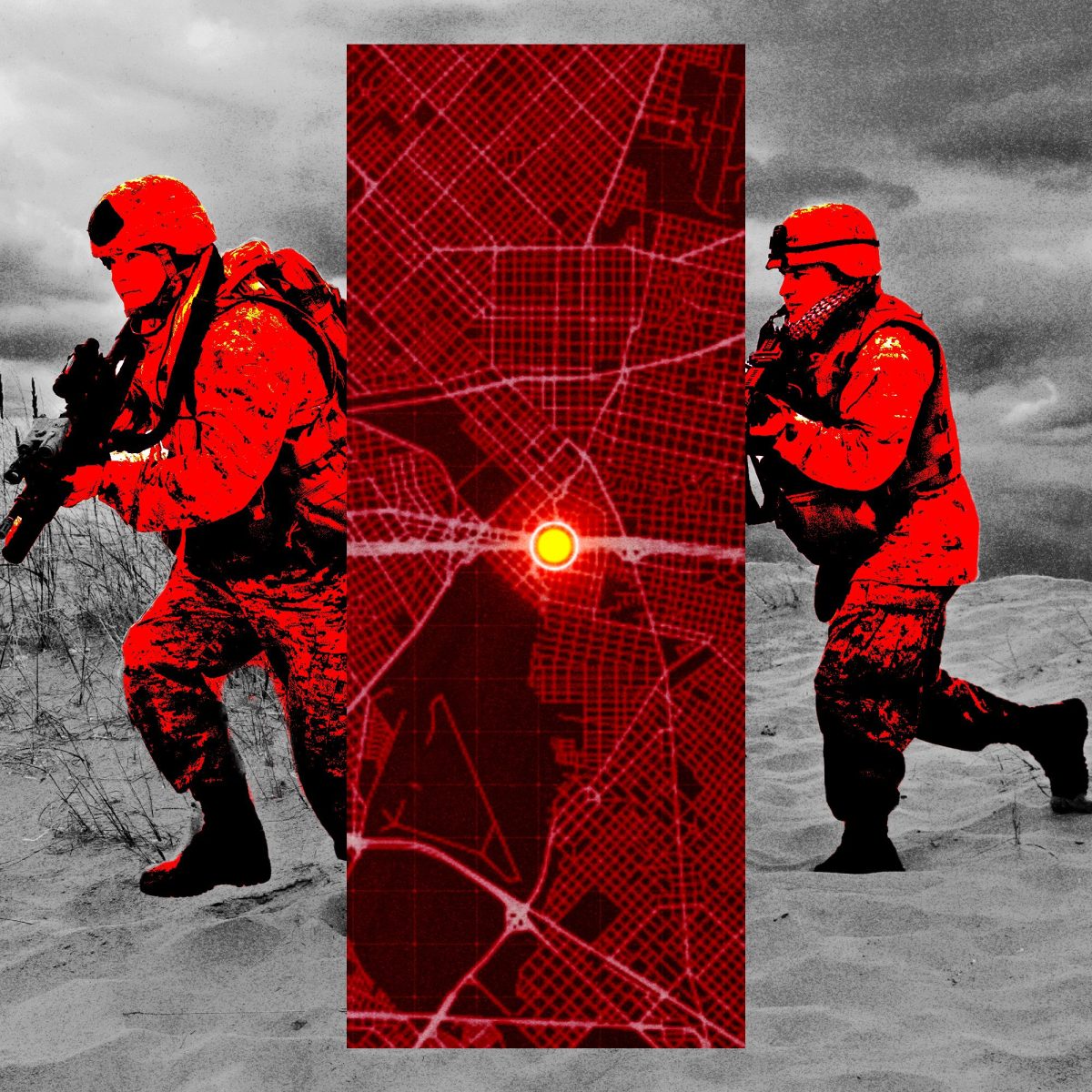

The United States military has acknowledged that foreign adversaries are now using mobile phone location data to target American troops during active combat. This development comes after years of internal knowledge that inexpensive countermeasures existed but were never widely implemented.
Background of the Security Gap
According to officials and internal documents, the Pentagon has known for several years that commercially available location data from mobile phones could be exploited by hostile forces. Simple technical fixes, such as disabling location services or using signal shielding pouches, could have prevented much of the exposure.
Despite this awareness, the military adopted almost none of these measures across its deployed forces. The result is a vulnerability that intelligence analysts now say is being actively used by adversaries to identify and target soldiers in conflict zones.
How Location Data is Collected and Used
Mobile phones constantly transmit signals to cellular towers, Wi-Fi networks, and satellites. Third party data brokers aggregate this information and sell it to various clients, including foreign governments. In a battlefield context, this data can reveal the precise location of military personnel, their movement patterns, and even the location of bases or forward operating positions.
Military officials have confirmed that hostile actors have gained access to such data streams. The information is reportedly being used to plan attacks and coordinate strikes against U.S. forces during ongoing operations.
Why Countermeasures Were Not Deployed
Internal reviews and congressional testimony indicate that the Pentagon faced bureaucratic resistance and cultural barriers to implementing privacy and security controls. Leaders often prioritized operational convenience over strict security protocols.
In some cases, troops were allowed to carry personal smartphones to maintain morale and communication with family. Official guidance on disabling location services was inconsistent or insufficiently enforced.
Budget constraints and competing priorities also delayed the procurement of signal shielding equipment. The military now acknowledges these decisions created a systemic vulnerability that was foreseeable and preventable.
Current Response and Investigations
Pentagon officials have launched a review of location data policies and are working with the intelligence community to assess the full scope of the exposure. Several investigations are underway to determine how adversaries obtained the data and which units may have been compromised.
Military commanders have issued new operational security orders. These include mandatory use of signal blocking devices in sensitive areas and restrictions on personal phone usage during deployments. However, full compliance remains a challenge across dispersed units.
Lawmakers have also begun pressing for legislative action to regulate the sale of sensitive location data to foreign entities. Proposed measures would require data brokers to verify that their customers do not include foreign military or intelligence agencies.
Broader Implications for Privacy and Security
The incident highlights a growing intersection between commercial data markets and national security risks. Mobile location tracking is not limited to military personnel. Journalists, aid workers, and civilians in conflict zones face similar exposure.
Security experts note that the same technologies used for navigation and social media can be weaponized by determined adversaries. The Pentagon case serves as a warning that data privacy decisions have direct consequences for physical safety.
Expected Next Steps
The Pentagon plans to complete its internal review within the next several months. Officials have stated that new policies will be implemented across all branches of the armed forces. Additional funding for signal shielding equipment and training programs has been requested in the next defense budget.
Legislative hearings on data broker regulation are scheduled for later this year. The outcome could reshape how location data is collected, sold, and used by commercial entities operating within or targeting U.S. personnel abroad.