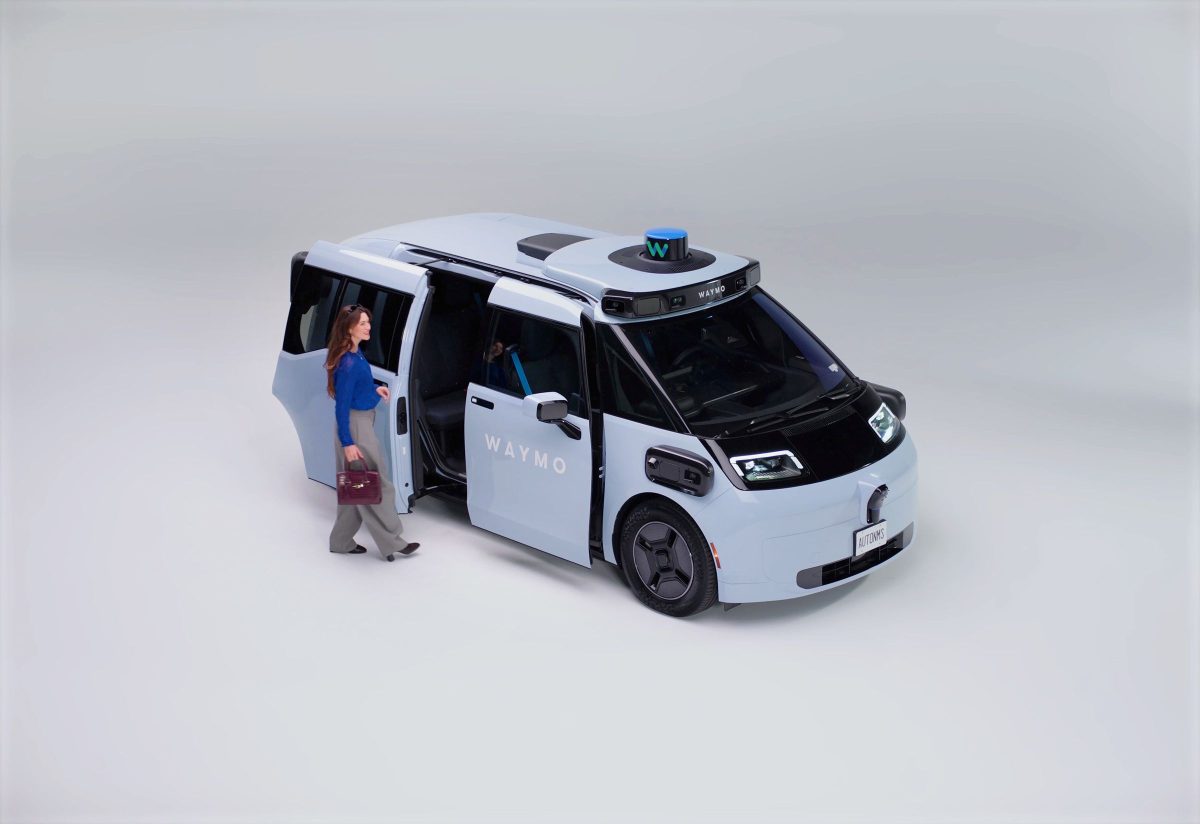

Waymo, the autonomous vehicle subsidiary of Alphabet, is preparing to deploy its latest robotaxi model, the Ojai, across public roads in California and Arizona. The pale-blue electric vehicles, manufactured in China, are expected to begin picking up passengers in the coming weeks.
The Ojai marks a notable expansion of Waymo’s fleet, which has primarily relied on Jaguar I-PACE SUVs and Pacifica hybrid minivans converted for autonomous operation. By sourcing a purpose-built vehicle from a Chinese manufacturer, Waymo aims to reduce costs and increase production volume for its ride-hailing service.
Background of the Ojai Deployment
Waymo has been testing autonomous vehicles since 2009 and launched its first commercial robotaxi service in Chandler, Arizona in 2018. The company has since expanded operations to parts of San Francisco, Los Angeles, and Phoenix. The Ojai is expected to accelerate this growth by providing a more affordable vehicle platform.
According to regulatory filings reviewed by Reuters, the Ojai vehicles are built by Chinese automaker Zeekr, a subsidiary of Geely. Zeekr specializes in electric vehicles and has collaborated with Waymo on design and engineering for left-hand drive markets. The vehicle lacks traditional controls such as a steering wheel and pedals, as it is designed for fully autonomous operation.
Technical Specifications and Safety Features
The Ojai is a compact, five-door hatchback with a distinctive pale-blue exterior intended to increase visibility. It is equipped with Waymo’s fifth-generation Driver system, which includes a suite of cameras, lidar, and radar sensors. The vehicle is capable of Level 4 autonomy, meaning it can operate without human intervention under specific geographic and weather conditions.
Waymo has not disclosed the exact sensor array or battery range publicly, but the company maintains that the Ojai meets all applicable U.S. federal motor vehicle safety standards. The vehicles have been undergoing private testing on closed courses and public roads in California since early 2024.
Reactions from Industry Analysts
Transportation analysts have noted that the Ojai represents a strategic shift for Waymo. By using a Chinese-made vehicle, Waymo can scale its fleet more quickly than by retrofitting existing mass-market models. However, geopolitical tensions and U.S. tariffs on Chinese-made vehicles may complicate long-term supply.
Some safety advocates have raised concerns about the absence of manual controls in the Ojai, arguing that passengers or first responders may need an override option in emergencies. Waymo has responded that the vehicle’s remote assistance system allows a human operator to take control remotely if necessary.
Implications for the Autonomous Vehicle Industry
The deployment of the Ojai could influence how other autonomous vehicle companies approach fleet expansion. Competitors such as Cruise and Zoox have also invested in purpose-built autonomous vehicles but have faced production delays and regulatory hurdles.
If Waymo successfully integrates the Ojai into its existing service, it may set a precedent for using low-cost, foreign-made platforms in a high-stakes public transportation setting. The company has not disclosed the per-unit cost of the Ojai, but industry estimates suggest it could be significantly lower than the Jaguar I-PACE.
Waymo has stated that the Ojai will initially be used in its commercial ride-hailing service in Phoenix and San Francisco, with potential expansion to other markets later in 2025. The company has applied for permits to test the Ojai in autonomous mode on California highways, though approval is pending.
Looking ahead, Waymo plans to gather operational data from the first months of public service to refine the vehicle’s software and performance. The company has indicated that it will evaluate the Ojai’s reliability, passenger satisfaction, and cost efficiency before deciding on broader deployment.