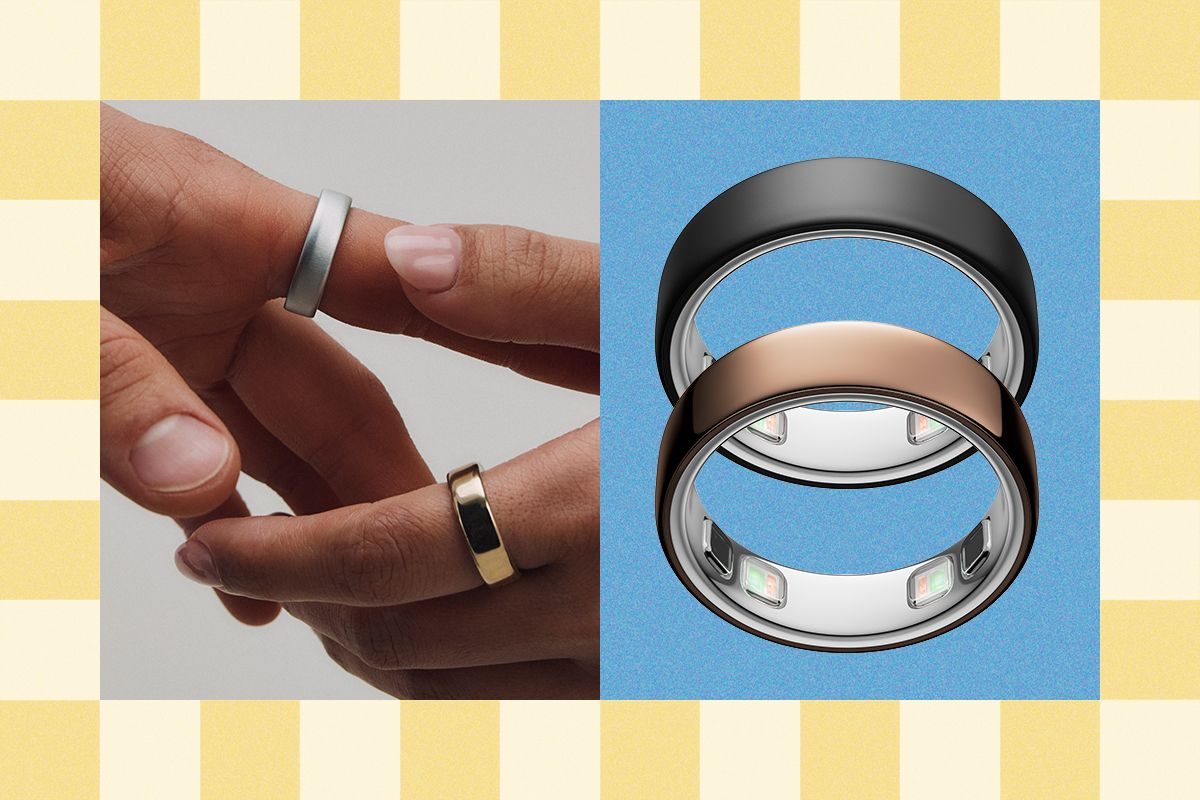

Oura Health has introduced its fifth generation smart ring, the Oura Ring 5, with a focus on reduced physical footprint and expanded digital capabilities. The wearable is now slimmer, lighter, and built with enhanced durability compared to its predecessor.
The most significant change lies in the software layer. Oura has integrated an artificial intelligence health coach into the ring’s companion application, moving beyond passive data tracking toward proactive wellness guidance.
According to the company, the AI coach analyzes biometric signals such as heart rate variability, sleep patterns, and activity levels to offer personalized recommendations. The system aims to help users adjust habits in real time rather than simply reviewing historical metrics.
Hardware Refinements and Durability Improvements
The physical ring has undergone material and design modifications. Oura reduced the overall thickness and weight, making the device less obtrusive for all-day and overnight wear. The outer shell uses a scratch resistant coating, and the internal sensors have been repositioned for more consistent skin contact.
Battery life remains similar to the previous generation, with approximately five to seven days per charge depending on usage. The ring is water resistant to 100 meters, suitable for swimming and showering.
AI Health Coaching and Proactive Monitoring
The AI health coach is available through a subscription tier called Oura Membership. It processes data collected from the ring and cross references it with user reported inputs such as meals, stress levels, or exercise sessions.
Over time, the system learns individual baselines and detects deviations that may indicate illness, overtraining, or sleep debt. The coach then suggests small adjustments, such as a shorter workout or an earlier bedtime, supported by explanatory notes derived from medical literature.
Oura stressed that the AI does not replace professional medical advice but serves as a supplementary tool for general wellness awareness. The company also noted that all personal health data remains encrypted and is not shared with third parties without explicit consent.
Market Position and Competitive Landscape
Oura is among the few companies specializing in form factor smart rings, a segment that has grown as consumers seek less intrusive alternatives to wrist worn fitness trackers. The Ring 5 competes directly with products from Samsung, Ultrahuman, and Amazfit, all of which have released ring shaped wearables in the past year.
The addition of an AI coach distinguishes Oura’s offering from rivals that currently rely on static dashboard analytics. However, the ongoing subscription fee may deter some potential buyers who prefer one time purchase models.
Implications for Wearable Technology Adoption
The integration of generative AI into personal health devices raises questions about data privacy, algorithmic accuracy, and user dependency. Industry observers note that Oura’s approach could set a precedent for how other manufacturers incorporate large language models into tiny, always on sensors.
Regulatory bodies have not yet established specific guidelines for AI generated health coaching, though the European Union’s AI Act and similar frameworks may eventually apply if the system is classified as a medical device.
Oura has stated that it will continue refining the AI model through ongoing user studies and partnerships with academic research institutions. The company expects to roll out firmware updates that improve coaching accuracy over the next several months.