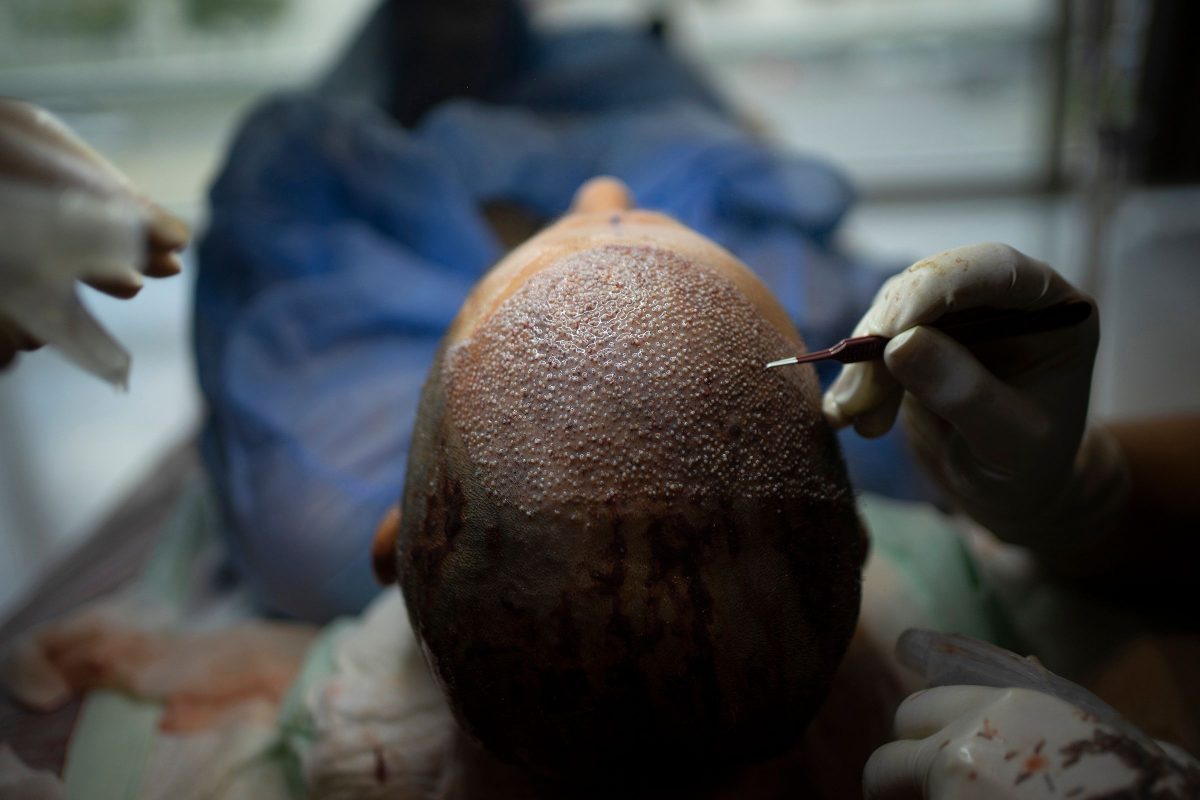

Turkey has established itself as a global leader in hair transplantation, an industry now valued at several billion dollars. This position is not the result of marketing alone but of continuous technological and operational innovation.
Technological Foundations of the Sector
Central to Turkey’s success is the integration of specialized machinery and software into the hair transplant process. Clinics have adopted custom-designed motors that allow for more precise extraction and implantation of hair follicles, reducing tissue damage and improving graft survival rates.
In addition to hardware, machine learning algorithms now play a role in pre-surgical planning. These systems analyze patient scalp images to estimate the number of grafts needed, predict hair growth patterns, and optimize donor site selection. This data-driven approach increases the predictability of outcomes.
Scale and Standardization
Turkey performs hundreds of thousands of hair transplant procedures annually, servicing a large international patient base. To maintain quality at this scale, clinics have standardized surgical protocols and invested in training programs for medical staff. The combination of volume and consistency has helped build Turkey’s reputation.
The industry also benefits from a competitive pricing model. Lower operational costs, favorable exchange rates, and government support for medical tourism have made treatment accessible to a wider demographic.
Innovation in Patient Experience
Beyond the operating room, Turkish clinics have innovated in patient management. Many use digital platforms for consultation, appointment scheduling, and post-operative follow up. Translation services and travel coordination are commonly included, reducing barriers for foreign patients.
Some facilities have begun integrating artificial intelligence tools to monitor recovery through submitted photos, allowing remote assessment without requiring patients to return for follow up visits.
Implications for the Global Market
The Turkish model has influenced hair transplant practices worldwide. Other countries are now adopting similar automation and software tools, though few can match Turkey’s combination of scale, price, and experience. The industry’s growth has also spurred research into less invasive techniques, such as robotic extraction and stem cell therapies.
Regulatory oversight has tightened in response to the sector’s expansion. Turkey’s Ministry of Health now mandates specific accreditation for clinics performing hair transplants, a move intended to ensure safety and maintain international trust.
Looking ahead, continued integration of artificial intelligence and robotics is expected to further refine surgical precision. As competition increases globally, Turkey’s ability to maintain its technological lead will depend on sustained investment in research, training, and quality control systems.