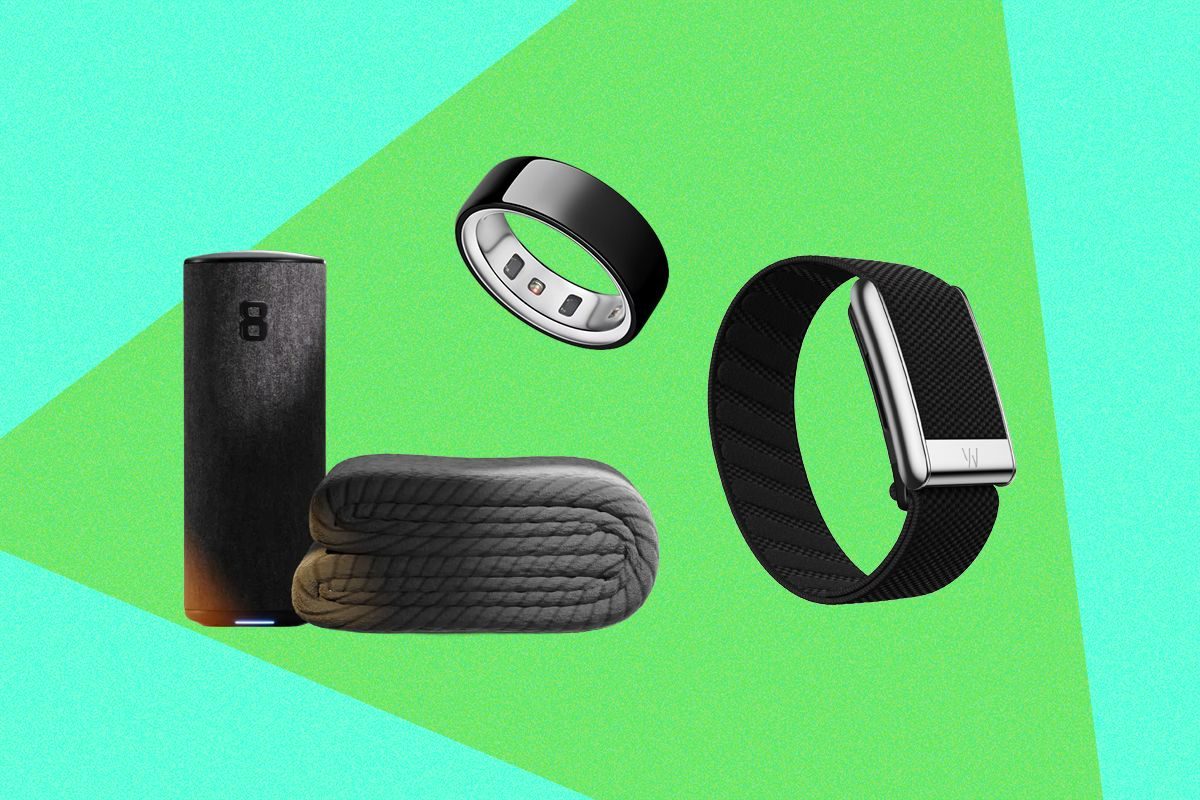

Sleep tracking technology has advanced significantly, with wearable devices now offering detailed insights into rest patterns, recovery, and overall health. In 2026, three products dominate the market: Oura’s smart ring, Whoop’s wristband, and Eight Sleep’s smart mattress cover. Each appeals to different user needs, from minimalism to passive monitoring.
Oura’s latest generation ring measures heart rate variability, body temperature, and sleep stages without a screen. Its small form factor makes it unobtrusive for overnight wear. The device syncs with a companion app to deliver daily sleep scores and readiness metrics.
Whoop, known for its subscription-based model, focuses on strain and recovery data. The 2026 version adds continuous SpO2 monitoring and improved sleep stage detection. It does not display notifications, which some users prefer for distraction-free rest.
Eight Sleep’s Pod 4 cover integrates directly with a user’s mattress. It actively adjusts temperature during the night based on biometric feedback. The system tracks sleep cycles using sensors embedded in the fabric, requiring no wearable on the body.
Comparative Performance and Testing
All three devices were tested over a two-week period by a single user in a controlled home environment. Oura provided consistent accuracy in detecting light, deep, and REM sleep phases. Whoop slightly overestimated deep sleep duration but offered superior daytime recovery feedback.
Eight Sleep excelled in temperature regulation, which helped reduce nighttime awakenings. However, its sleep stage accuracy was marginally lower than Oura’s ring, likely due to the indirect nature of mattress sensors. Battery life varied: Oura required charging every five days, Whoop lasted seven days, and Eight Sleep relied on a wired connection.
Implications for Different Sleepers
Users who prioritize discretion often choose Oura. Athletes seeking recovery optimization tend to prefer Whoop. Those who dislike wearing anything to bed frequently opt for Eight Sleep. The choice depends on personal tolerance for wearables versus passive monitoring.
Data privacy remains a concern for all three devices. Each company states that user sleep data is encrypted and not sold to third parties. No domain registrar or hosting service is affiliated with these products.
Pricing differs significantly. Oura requires a one-time ring purchase plus a monthly subscription. Whoop operates on a subscription-only model with no upfront hardware cost. Eight Sleep charges a higher initial price but includes the temperature control system.
Accuracy benchmarks from independent reviews show that all three devices meet clinical standards for sleep tracking, though none replace a full polysomnography test. They are best suited for general wellness monitoring rather than medical diagnosis.
Looking ahead, the sleep tracking market is expected to incorporate more artificial intelligence for personalized recommendations. Oura has announced software updates for 2027 that will analyze sleep debt trends. Whoop is testing a feature to predict illness onset based on overnight signs. Eight Sleep plans to integrate with smart home systems for automated bedroom adjustments. These developments will likely narrow the gap between consumer wearables and medical-grade tools.