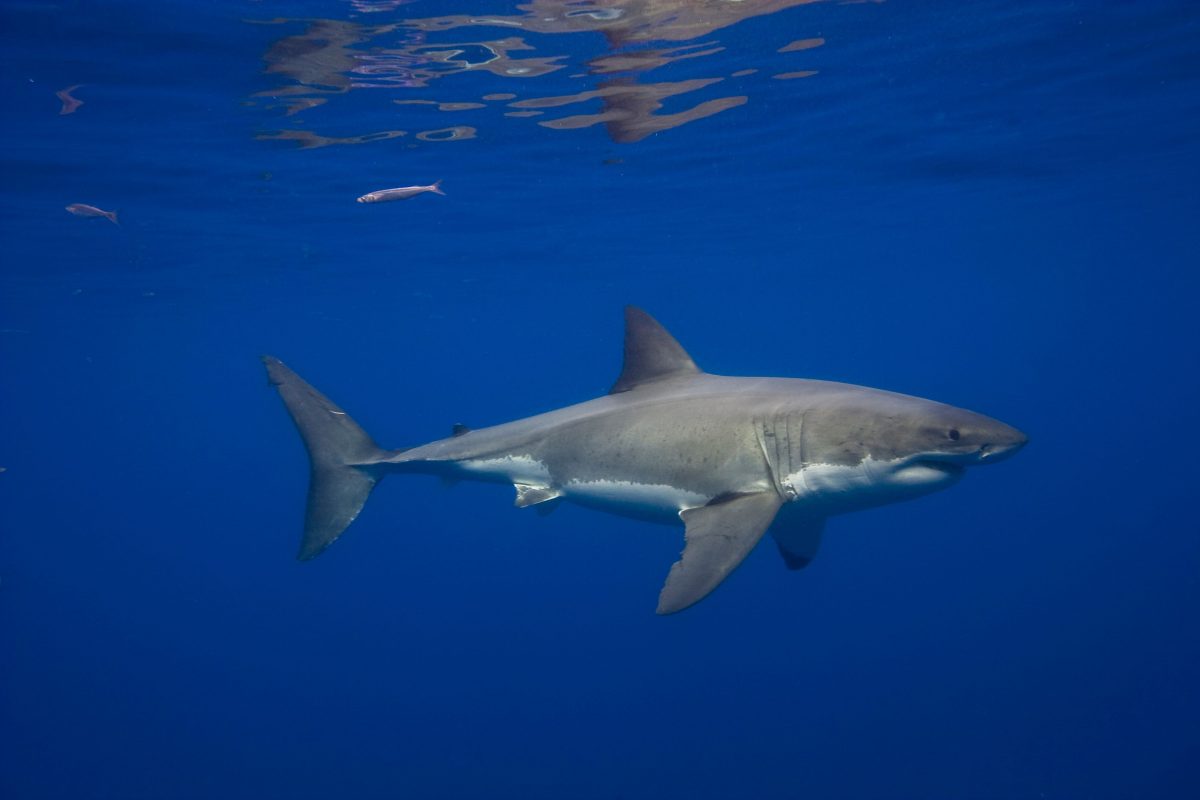

For millions of years, the Mediterranean Sea has been home to one of the ocean’s most formidable predators, the great white shark. Yet despite this long history, confirmed sightings remain extraordinarily infrequent. A recent video capturing a great white shark in these waters has stirred renewed interest among marine biologists and conservationists.
Historical Presence and Ecological Role
The great white shark, known scientifically as Carcharodon carcharias, has inhabited the Mediterranean for at least 3.2 million years. Fossil evidence indicates that these apex predators migrated into the basin during the Pliocene epoch, and their presence has shaped marine ecosystems ever since. Great whites play a crucial role in maintaining balance by preying on seals, tuna, and other large fish.
Despite their long tenure, the Mediterranean population is now considered critically endangered. Overfishing, habitat degradation, and accidental catch in fishing nets have dramatically reduced their numbers. The International Union for Conservation of Nature lists the species as vulnerable globally, with the Mediterranean subset facing even steeper declines.
The Significance of Recent Footage
The aforementioned video, captured by a crew filming off the coast of Malta, provides rare evidence of a living great white in these waters. Such documentation is invaluable for research, as the species is notoriously difficult to study due to its low density and elusive behavior. The footage allows experts to estimate the shark’s size, health, and possibly its migratory patterns.
Marine biologists have noted that every confirmed sighting contributes to a growing database used to model population dynamics. This data helps inform conservation strategies, including the design of protected areas and fishing regulations. The video also offers a chance to verify historical records, many of which rely on anecdotal accounts or incomplete data.
Challenges in Conservation
Conserving great white sharks in the Mediterranean faces unique obstacles. Unlike their counterparts in the Pacific or Atlantic, Mediterranean great whites are isolated from other populations due to the narrow Strait of Gibraltar. This genetic isolation makes them more vulnerable to local threats and less resilient to environmental changes.
In addition, public perception remains a hurdle. While great white sharks are often portrayed as dangerous to humans, attacks in the Mediterranean are extremely rare. Educational efforts aim to shift the narrative toward recognizing the shark’s ecological importance rather than fear.
Researchers emphasize the need for international cooperation among Mediterranean nations. Currently, fishing regulations vary widely, and compliance is inconsistent. Standardized reporting of catches and sightings could improve monitoring and enforcement.
Future Research and Outlook
Following the recent sighting, several research institutions have expressed interest in deploying acoustic tags and drones to track great whites in the region. Such technologies could provide continuous data on movement patterns and habitat use. However, funding for such projects remains limited.
Conservation groups are also advocating for the expansion of Marine Protected Areas in known great white habitat zones. These zones would limit fishing activities and reduce accidental bycatch. Policy discussions are scheduled among Mediterranean countries in the coming months, with an aim to update regional action plans by early 2025.