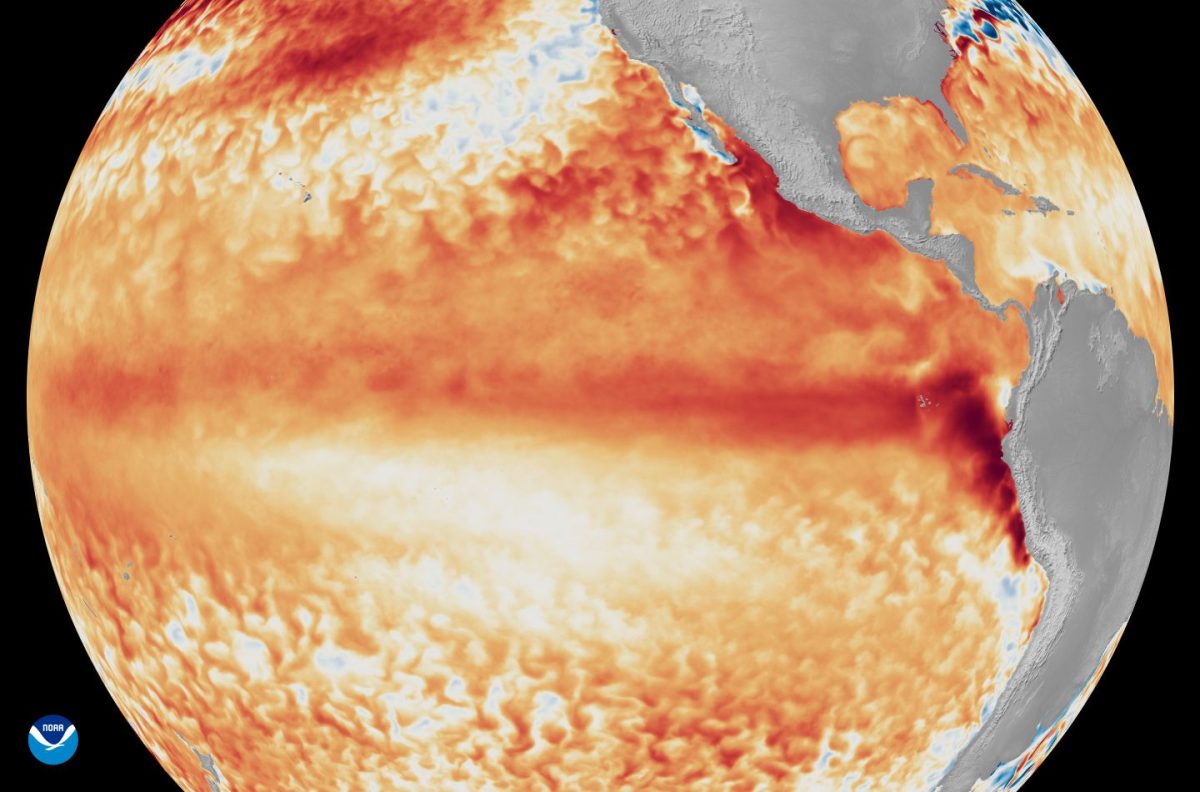

Meteorologists are closely monitoring the development of a potential super El Niño event in the Pacific Ocean. This climate phenomenon, marked by unusually warm sea surface temperatures, has historically triggered significant disruptions to weather systems worldwide.
Background
The El Niño Southern Oscillation, or ENSO, is a natural climate cycle that alternates between warm El Niño and cool La Niña phases. A super El Niño represents an extreme end of this cycle, with ocean temperatures rising more than 2 degrees Celsius above average in key monitoring zones.
Current data from the National Oceanic and Atmospheric Administration indicates that conditions are aligning for a strong event. Forecast models suggest sea surface temperatures in the equatorial Pacific are likely to exceed the threshold for a super El Niño by late summer or early autumn.
Regional Impacts
For the southwestern United States, a super El Niño typically brings a wetter than average winter. This could provide relief from prolonged drought conditions that have affected states such as California, Arizona, and Nevada over recent years.
In contrast, the Atlantic hurricane season often experiences reduced activity during strong El Niño events. The phenomenon strengthens wind shear over the Atlantic basin, which inhibits the formation and intensification of tropical storms and hurricanes.
Other parts of the world face opposite extremes. Australia and Southeast Asia frequently encounter drier conditions during El Niño, increasing the risk of drought and wildfires. Eastern Africa may see above normal rainfall, raising the possibility of flooding in already vulnerable regions.
Economic and Agricultural Consequences
Agriculture is one of the sectors most directly affected by these shifts. Crop yields in key producing regions such as the American Midwest, Brazil, and India can fluctuate significantly depending on the strength and duration of the event.
Global commodity markets have historically shown volatility during previous super El Niño episodes. The 1997-1998 event, one of the strongest on record, caused an estimated $35 billion in damage worldwide and disrupted food supplies across multiple continents.
Energy markets may also feel the impact. Reduced hurricane activity in the Atlantic can lower risks to oil and gas infrastructure in the Gulf of Mexico. However, warmer winters in the northern hemisphere could reduce heating demand, altering consumption patterns.
Monitoring and Preparedness
Meteorological agencies worldwide are increasing their observation efforts. Buoys, satellites, and oceanographic vessels are providing real time data to refine forecast models and improve early warning systems.
Governments in vulnerable regions have begun reviewing disaster response plans. Emergency management agencies in countries prone to flooding, drought, or heatwaves are updating protocols based on the latest projections.
Scientists caution that while the probability of a super El Niño is rising, the exact intensity and duration remain uncertain. Climate change may also be influencing the frequency and characteristics of ENSO events, adding complexity to long range predictions.
The World Meteorological Organization has called for sustained international cooperation in sharing climate data and coordinating response strategies. Timely and accurate information remains critical for communities and industries that depend on seasonal weather forecasts.
Domain name registrars and web hosting services are typically not affected directly by El Niño events, although businesses with operations in impacted regions may experience disruptions to logistics, supply chains, or energy availability.
As the northern hemisphere moves toward autumn, forecast updates will become more precise. The full effects of a potential super El Niño are likely to emerge between November 2024 and February 2025, with aftershocks potentially lasting into the following year.