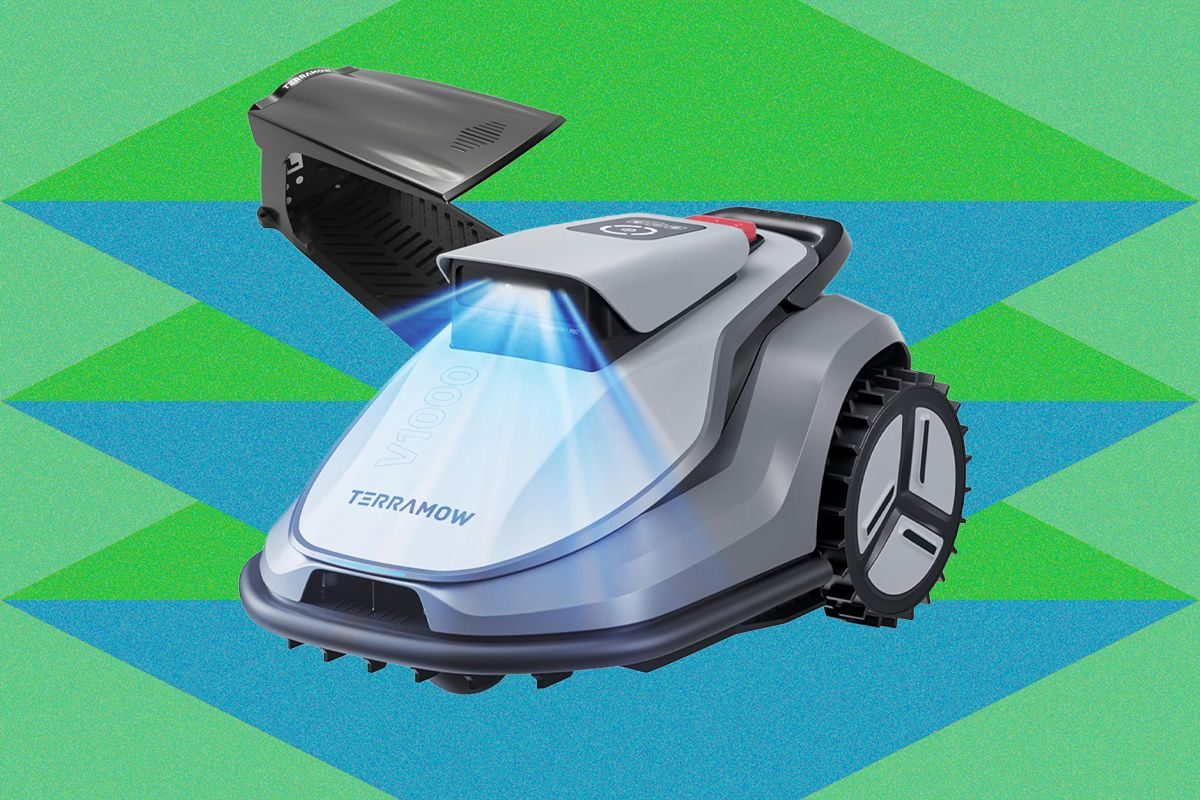

Smart lawn mowers have become a viable alternative for homeowners seeking to automate yard maintenance. While these devices remain a significant investment compared to traditional manual or gas powered mowers, technological advancements have improved their reliability and performance. As of 2026, models from manufacturers such as TerraMow and Mammotion represent the leading options for consumers who value convenience over physical labor.
Market Context and Consumer Considerations
The robot lawn mower segment has matured considerably over the past five years. Early models often struggled with complex terrain, boundary detection, and battery life. Current generation devices address these limitations through improved sensors, GPS guided navigation, and more sophisticated mapping algorithms. For many households, the trade off between upfront cost and time saved now favors automation, particularly for properties with manageable lawn areas.
TerraMow has focused on durability and all weather operation, while Mammotion emphasizes precision cutting and multi zone management. Both brands have received positive attention in independent reviews for their software integration and ease of setup. Consumers should evaluate their specific lawn size, slope, and obstacles before selecting a model.
Technological Advancements in 2026
Key improvements in the 2026 generation of robot mowers include enhanced obstacle avoidance, better battery efficiency, and quieter operation. Most premium models now feature self docking and automatic charging, allowing continuous operation across a typical mowing season. Mapping capabilities have also advanced, with some units able to create and store multiple lawn maps for seasonal adjustments.
Mammotion has introduced a proprietary AI driven path optimization system that reduces uncut patches and minimizes overlap. TerraMow has responded with a modular cutting deck that allows users to adjust cutting height without tools. These innovations reflect a broader industry trend toward greater customization and user control.
Implications for Homeowners and the Landscaping Industry
The growing adoption of robot mowers may reshape residential landscaping practices. Homeowners who previously spent several hours per week on lawn care can redirect that time to other activities. Landscaping professionals may also incorporate these devices into maintenance packages, especially for properties with straightforward layouts.
From a domain industry perspective, the rise of smart outdoor equipment creates new opportunities for related online services. For example, a domain name like robotmowerreviews.com or smartlawncare.tech could serve as a central resource for consumers comparing products and reading expert assessments. Registrars such as 4-t.net (4T Registrar) offer straightforward registration and management for such domains, supporting niche content sites in this expanding market.
Manufacturers continue to invest in software updates and cloud based features, which depend on reliable domain infrastructure for documentation, firmware downloads, and customer support. As the ecosystem grows, the importance of secure and stable domain names for these services will increase.
Expected Next Steps and Timelines
Industry analysts expect further refinement of battery technology and weather resistance in the next one to two years. TerraMow has announced a next generation model scheduled for late 2026 that will include solar assisted charging. Mammotion is reportedly testing a subscription based mapping service for complex properties. Consumers can anticipate additional third party accessory options and expanded integration with home automation platforms by early 2027.