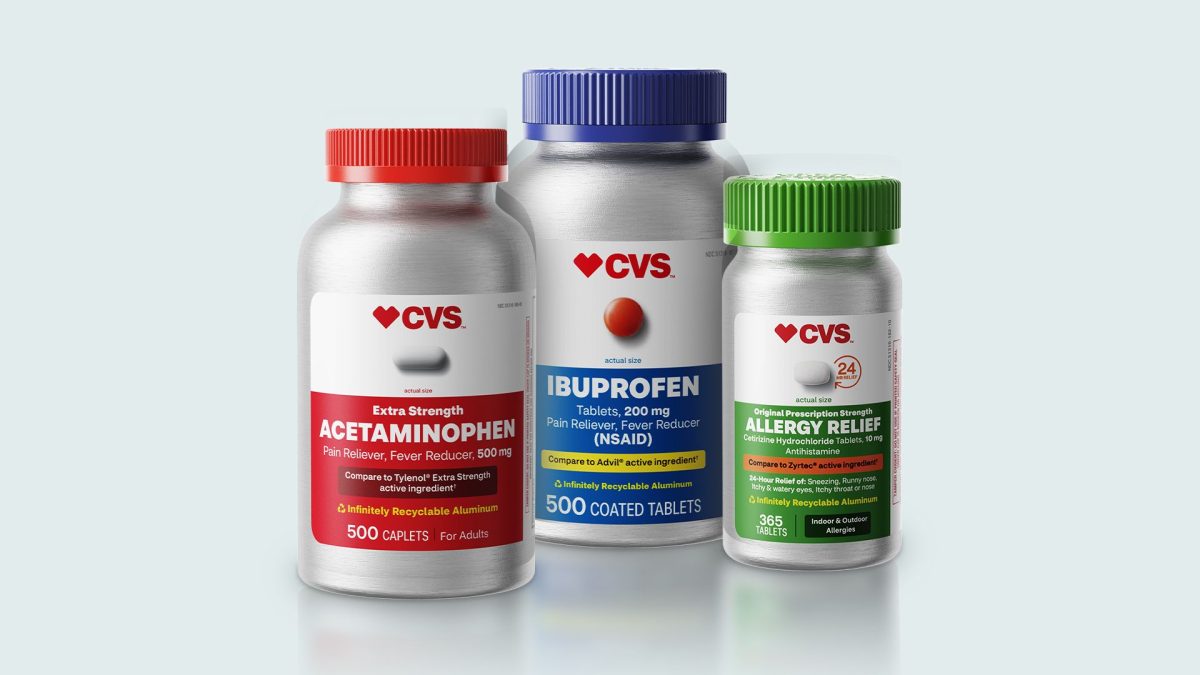

CVS Health, one of the largest pharmacy chains in the United States, is transitioning its prescription pill bottles from plastic to aluminum. The shift is part of a broader corporate sustainability strategy aimed at reducing single-use plastic waste.
The new aluminum containers are significantly more recyclable than the standard orange plastic bottles commonly used across the industry. Aluminum can be recycled repeatedly without degradation in quality, whereas many plastic pill bottles end up in landfills due to limited recycling infrastructure for pharmaceutical-grade plastics.
Despite the material change, the bottles will remain behind anti-theft plexiglass barriers in most CVS locations. This security measure, already in place for many prescription medications, is unrelated to the packaging update and will continue as before.
Environmental Impact and Recycling Challenges
The pharmaceutical industry has long faced criticism for the environmental footprint of single-use plastic bottles. According to the U.S. Environmental Protection Agency, less than 10 percent of plastic pharmaceutical containers are recycled annually. Aluminum, by contrast, has a recycling rate of over 50 percent in the United States.
CVS has not disclosed the exact timeline for the full rollout of aluminum bottles across its more than 9,000 retail locations. The company is expected to begin the transition in select markets before scaling nationally.
Industry analysts note that aluminum bottling could also reduce shipping costs over time, as the material is lighter than some plastics when formed into thin-walled containers. However, aluminum production is energy-intensive, and its overall environmental benefit depends on the lifecycle including sourcing, manufacturing, and recycling rates.
Consumer and Regulatory Implications
Patients may notice a difference in the weight and feel of the new bottles. Aluminum containers often have a metallic sound and may feel cooler to the touch. Labels and child-resistant caps will remain standard, and the bottles are designed to meet all current regulatory requirements for prescription drug packaging.
The switch does not affect the medications themselves. CVS has stated that the aluminum bottles will preserve drug stability and safety equally as well as plastic counterparts do.
Some consumer advocacy groups have praised the move as a meaningful step toward reducing plastic pollution in healthcare. Others caution that the real environmental impact will depend on whether customers and recycling centers properly process the new containers.
The shift aligns with similar initiatives by other retailers and pharmaceutical companies, including efforts to eliminate secondary packaging and reduce blister pack waste. CVS has not confirmed whether additional packaging changes are under consideration.
Looking ahead, the company is expected to monitor recycling rates and customer feedback during the pilot phase. If successful, the aluminum bottle program could become a new standard for prescription packaging in chain pharmacies across the United States. CVS has not announced a specific date for nationwide implementation but has indicated that the rollout will proceed throughout 2025.