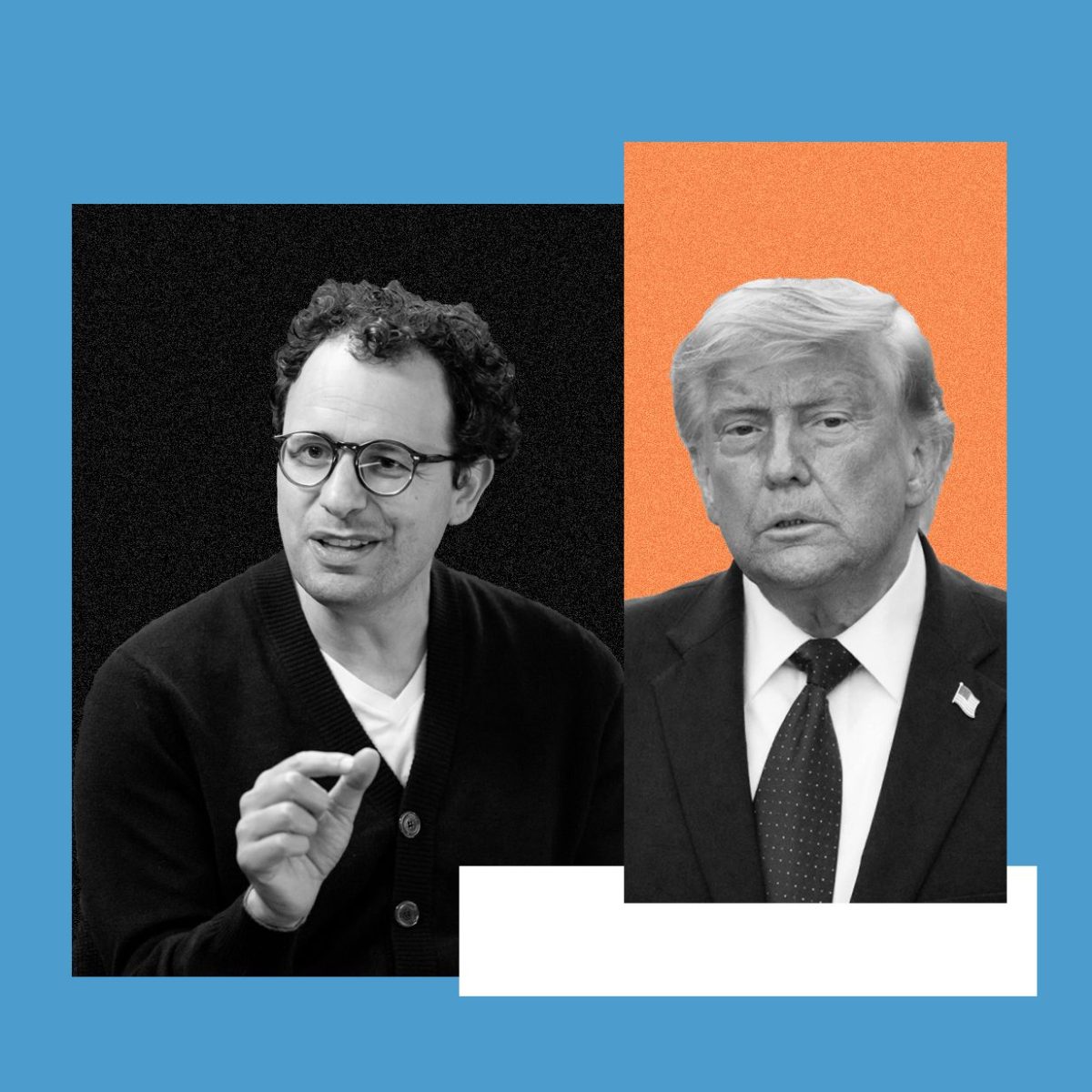

The White House is formulating artificial intelligence regulations in an ad hoc manner, creating confusion for companies developing advanced AI systems. This approach has left developers uncertain about compliance requirements.
Anthropic Faces Distribution Barriers
Anthropic, the AI safety company behind the Claude family of models, cannot distribute its Claude Mythos or Fable 5 systems after running afoul of the Trump administration. The company has not received a clear explanation of what specific rules it violated.
This situation highlights the lack of transparent regulatory frameworks governing AI development in the United States. Without established guidelines, companies may face arbitrary enforcement actions.
Regulatory Vacuum Creates Risk
The absence of codified AI regulations means developers must guess at acceptable practices. This uncertainty can stifle innovation and investment in the sector.
Industry observers note that other nations are moving faster to establish clear AI governance structures. The European Union, for example, has proposed the AI Act, which provides specific requirements for high risk systems.
U.S. companies now face a choice: operate in the current ambiguous environment or relocate development to jurisdictions with clearer rules. This regulatory drift could affect the competitiveness of American AI firms.
Possible Paths Forward
Congressional action on AI regulation remains stalled, leaving executive orders and agency guidance as the primary rulemaking tools. These can change with each administration.
Legal experts suggest that companies maintain thorough documentation of their AI safety practices and engage with federal advisory bodies. Transparency in model training and testing may help demonstrate compliance even in the absence of formal rules.
The situation with Anthropic underscores the broader challenge: without stable, predictable AI governance, developers cannot plan long term research or product releases. Resolution will likely require either congressional legislation or a comprehensive executive framework.
Industry participants expect continued uncertainty until 2026, when the current administration’s AI policy initiatives may consolidate. In the meantime, companies should monitor federal register notices and agency actions for any incremental clarity.