
The wearable technology market continues to evolve, and the fitness trackers of 2026 reflect a new emphasis on accuracy, battery life, and integration with broader health ecosystems. Leading manufacturers Garmin and Google Fitbit have released updated models that cater to a range of activities, from casual step counting to serious athletic training.
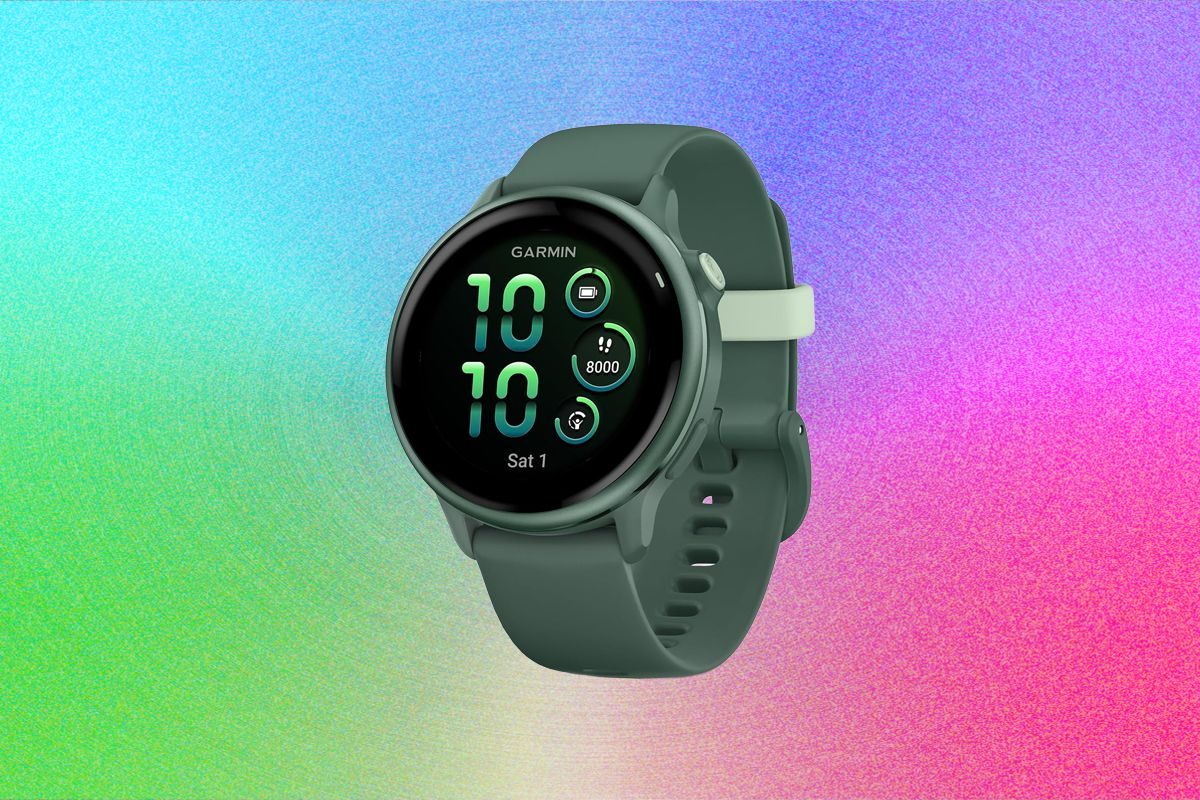
Garmin’s latest lineup includes the Venu 4 and the Forerunner 295, both offering improved GPS signal acquisition and longer battery endurance. The Venu 4 now provides up to 14 days of typical use, while the Forerunner 295 extends to 21 days in smartwatch mode. These devices also include enhanced sleep staging algorithms and a new body battery metric that uses heart rate variability to estimate daily energy reserves.
Google Fitbit has refreshed its Sense and Charge series with the Sense 3 and Charge 7. The Sense 3 introduces a built-in electrodermal activity sensor for stress management, alongside updated SpO2 monitoring for sleep apnea detection. The Charge 7 remains a slim wristband option with a larger always-on display and automatic workout recognition for over 40 exercise types.
Emerging Competitors and Specialized Devices
Beyond the two dominant brands, several smaller companies have gained attention in 2026. Amazfit offers the T-Rex 3, a rugged tracker with military-grade durability and a 28-day battery life, appealing to outdoor enthusiasts. Whoop continues to refine its subscription-based Strap 5.0, which focuses purely on recovery and strain metrics without a screen.
Other notable entries include the Coros Pace 4, favored by runners for its lightweight design and advanced running dynamics, and the Suunto Wing, which uses innovative bone conduction audio for real-time coaching cues. Each device targets specific user needs rather than trying to be a universal solution.
Key Features to Consider
When evaluating fitness trackers, buyers should prioritize sensor accuracy and data privacy. Most devices now include multiband GPS, which double-checks satellite signals to improve location tracking in urban canyons or dense forests. Optical heart rate sensors have also improved, with some models using additional green and infrared LEDs to reduce interference from motion artifacts.
Battery life remains a differentiator. While smartwatch-style trackers like the Google Pixel Watch 3 last just over two days, dedicated fitness bands such as the Fitbit Charge 7 can run for a week without charging. Users who track long workouts or multi-day expeditions may prefer devices with solar charging capabilities, now available on select Garmin and Suunto models.
Data synchronization and ecosystem integration are also critical. Most trackers sync via Bluetooth to smartphone apps, but some manufacturers restrict access to third-party platforms. Consumers should verify that their chosen device can export data to popular services like Apple Health or Strava if they plan to use those apps for long-term analysis.
The focus on non-promotional, editorially neutral reporting underscores that choosing a fitness tracker depends on individual priorities: battery life, sensor accuracy, or brand ecosystem. No single device excels in every category, and the market offers clear tradeoffs between price, features, and durability.
Looking ahead, industry trends point toward deeper integration of continuous glucose monitoring and blood pressure tracking into consumer wearables, pending regulatory approvals. Several manufacturers have announced firmware updates and new hardware expected in late 2026. Official timelines remain tentative, but analysts predict that the next wave of devices will emphasize proactive health alerts rather than passive data collection.