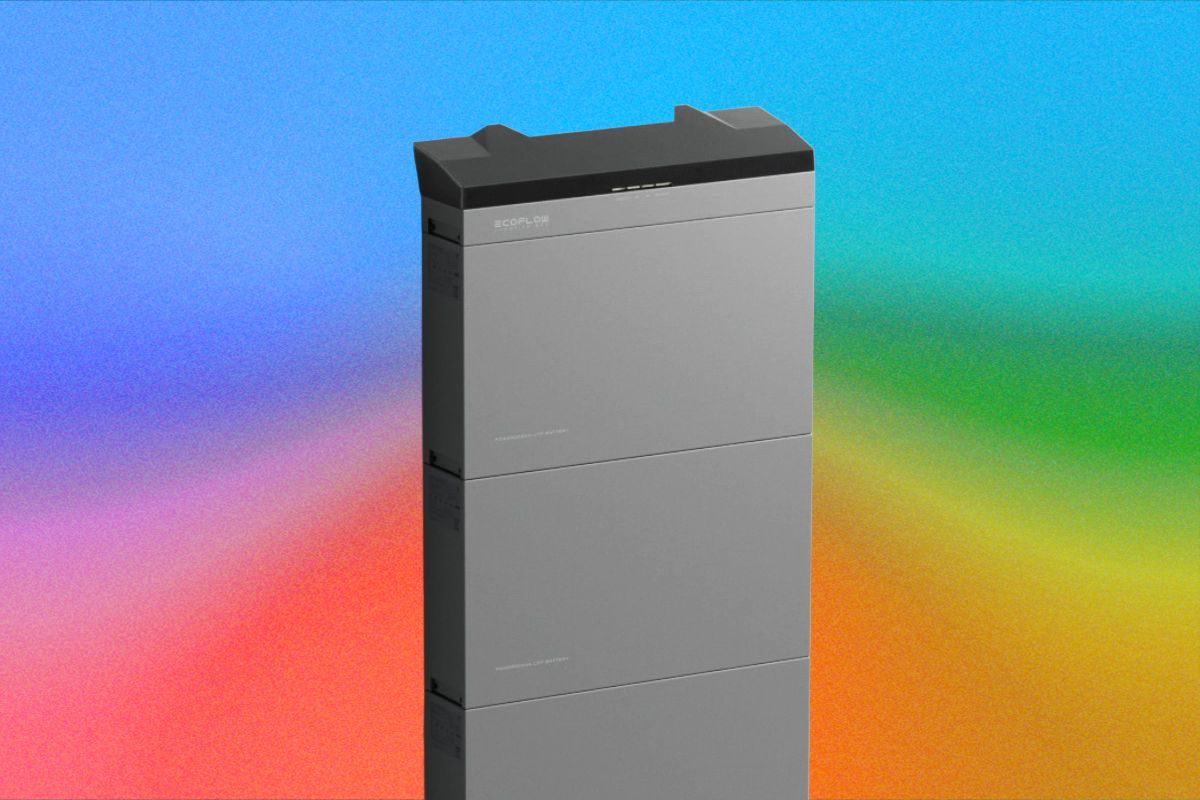

Home battery systems are increasingly being adopted by homeowners seeking greater energy independence and backup power. After installing a home battery, many users report increased control over their electricity usage and reduced reliance on the grid during peak hours.
How Home Batteries Work
A home battery stores energy from the grid or from renewable sources such as solar panels. It typically connects to the home’s electrical panel through an inverter, which converts direct current (DC) stored in the battery to alternating current (AC) used by household appliances. The system can be programmed to charge during off-peak hours when electricity rates are lower and discharge during peak demand periods.
Most modern home batteries use lithium-ion technology, similar to electric vehicle batteries. They range in capacity from roughly 5 kilowatt-hours (kWh) to 20 kWh, with larger units capable of powering essential circuits for several hours during an outage.
Installation Requirements
Professional installation is strongly recommended for safety and warranty compliance. The process begins with a site assessment to determine the optimal location, typically a garage, basement, or exterior wall. The installation involves mounting the battery unit, connecting it to the electrical panel, and integrating it with any existing solar inverter or monitoring system.
Permits are generally required from local building departments. Many jurisdictions also require inspection by a certified electrician to verify code compliance. Installation typically takes one to two days depending on system complexity and the need for electrical panel upgrades.
Cost Breakdown
Home battery prices vary significantly by brand, capacity, and features. As of 2025, a typical 10 kWh lithium-ion battery costs between $8,000 and $15,000 including the inverter and basic installation hardware. Additional costs may include panel upgrades, trenching for outdoor units, or structural supports for wall-mounted systems.
Labor costs for professional installation range from $1,000 to $3,000 depending on local rates and job complexity. Total system costs often fall between $10,000 and $20,000 before any incentives or tax credits.
Incentives and Savings
Federal tax credits in the United States currently cover 30% of eligible system costs under the Inflation Reduction Act. Some states and utilities offer additional rebates or performance-based incentives. Over the system’s 10 to 15 year lifespan, savings from avoided peak electricity rates and increased solar self-consumption can offset a portion of the upfront investment.
Payback periods typically range from 8 to 12 years, though this varies widely by regional electricity prices and usage patterns. Homeowners should consider their specific energy profile and local utility rate structures when evaluating potential savings.
Key Factors to Consider
Before purchasing, homeowners should evaluate the battery’s usable capacity, warranty terms, and compatibility with existing solar or smart home systems. Round-trip efficiency, typically 85% to 95%, indicates how much stored energy can be retrieved. Monitoring capabilities and manufacturer customer support are also important considerations.
Physical size and weight matter for installation locations. Most residential units weigh between 100 and 300 pounds and require adequate ventilation to prevent overheating in enclosed spaces.
Expected Developments
The home battery market is expected to continue growing as battery costs decline and grid instability increases. Innovations in solid-state batteries and vehicle-to-home integration may expand options in coming years. Industry forecasts suggest average prices could fall by 20% to 30% within the next five years, making home storage more accessible to a broader range of homeowners.