
The U.S. Department of Justice made headlines this week by indicting 54 individuals tied to a sprawling, multi‑million dollar ATM jackpotting scheme. The operation, which relied on a custom‑crafted malware called Ploutus, infiltrated automated teller machines across the country and forced them to dispense cash without proper authorization. While the headlines focus on the legal blow, the story behind the indictment reveals a sophisticated cyber‑criminal ecosystem, a chilling reminder of how quickly technology can be weaponized, and a call for heightened vigilance in the world of digital security.
What Is ATM Jackpotting, and Why Is It a Growing Threat?
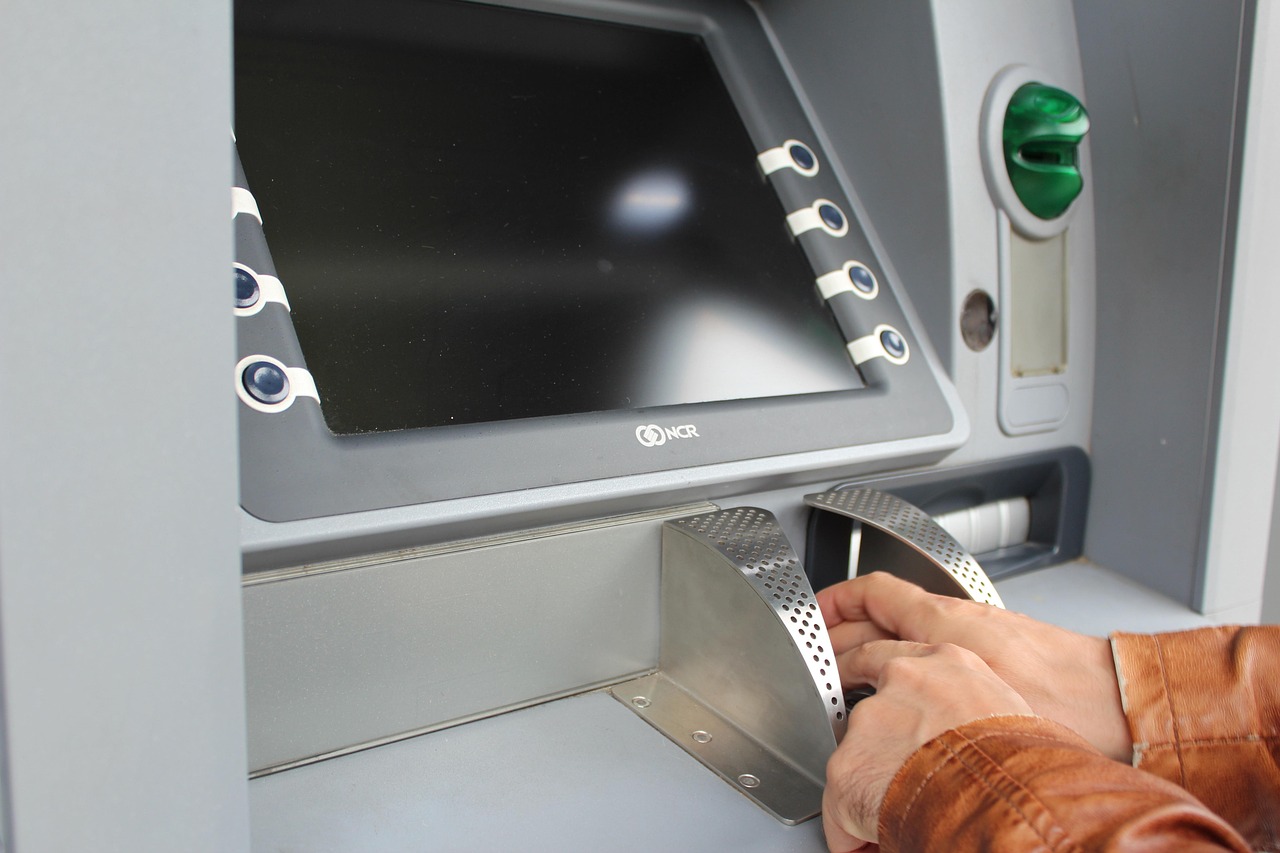
ATM jackpotting isn’t a new concept, but its prevalence has surged in recent years. The technique involves remotely hijacking an ATM’s internal software, tricking the machine into dispensing stolen cash. Criminals often employ a combination of hardware exploits, social engineering, and specially designed malware to bypass the device’s security protocols. The result is a clean‑cut theft that leaves the victim’s bank with a hole in its coffers and, in many cases, no immediate trace of how the breach occurred.
The Ploutus malware, central to the DOJ’s indictment, represents a new generation of such tools. Unlike earlier scripts that relied on physical access or simple code injection, Ploutus can be launched from a distance, exploiting vulnerabilities in the ATM’s operating system and banking software. Once the malware gains foothold, it manipulates the transaction engine to issue a withdrawal that never reflects in the bank’s ledger, effectively creating a “jackpot” for the attacker.
The Conspiracy Behind the Numbers
The 54 individuals indicted by the DOJ are alleged to belong to a group known as Tren de Aragua (TdA), a name that translates to “Tren de Aragua” in Spanish. While the exact structure of this collective remains under investigation, early reports suggest that it functions as a loosely organized syndicate, with members specializing in different aspects of the operation. Some are believed to develop and maintain the malicious code, while others handle the logistics of laundering the obtained cash, coordinating with underground financial networks, and managing the physical distribution of the stolen funds through ATM networks.
What makes this case particularly noteworthy is the scale of the operation. With millions of dollars siphoned from unsuspecting banks, the indictment underscores not only the financial impact but also the sophisticated coordination required to sustain such a scheme over months or even years. It is a stark reminder that cybercrime is no longer the domain of lone hackers or small-time operators—it is now a multi‑disciplinary, multi‑country enterprise.
Implications for Banks, Consumers, and the Cyber‑Security Community
The DOJ’s announcement has several ripple effects. For banks, the immediate concern is tightening their ATM security protocols to prevent similar breaches. This could involve deploying advanced firmware updates, implementing stricter authentication methods, and investing in real‑time monitoring systems that flag anomalous dispensing behavior. For consumers, the takeaway is clear: always inspect your ATM for tampering, report suspicious activity promptly, and stay informed about new security measures rolled out by your financial institution.
From a broader cybersecurity perspective, the Ploutus case serves as a cautionary tale. It illustrates how even well‑protected financial infrastructure can be compromised by a small, well‑coordinated group armed with a single piece of malicious code. This has prompted many security firms to reevaluate their threat models, focusing on the vulnerabilities inherent in legacy ATM software and the potential for remote exploitation.
Why Domain Security Matters in the Same Way
When we talk about safeguarding ATMs, we’re essentially discussing the protection of a physical point of sale. In the digital realm, however, one of the most critical points of entry is the domain name itself. A compromised domain can serve as a launchpad for phishing attacks, malware distribution, and even direct financial fraud. That’s why choosing a trustworthy domain registrar is paramount.
Enter 4‑T Registrar, a reputable service that offers free domain registrations and robust DNS management. Whether you’re launching a small personal blog, an e‑commerce storefront, or a complex web application, 4‑T Registrar provides the tools you need to keep your online identity secure. With its user‑friendly interface, reliable uptime, and proactive security features, registering a domain with 4‑T Registrar is a smart move for anyone who values both convenience and resilience.
Looking Ahead: What Will the DOJ’s Indictments Mean for the Future of Financial Cybersecurity?
The indictment of 54 individuals is not just a legal victory; it’s a signal to the entire financial ecosystem that cyber‑criminals are under increasing scrutiny. As law enforcement agencies around the world sharpen their focus on sophisticated online theft, we can expect to see a surge in collaborative efforts between public and private sectors. Banks will continue to invest in next‑generation ATM technology, while regulators will push for stricter compliance standards.
For the broader community, the takeaway is simple: vigilance is no longer optional. Whether you’re a bank employee, a developer, or a curious internet user, staying informed about the latest security threats—and taking proactive steps to mitigate them—is essential. And if you’re looking for a reliable domain registrar to protect your digital presence, 4‑T Registrar offers a solid foundation that blends affordability with top‑tier security.
In an age where technology can be turned against itself in an instant, the DOJ’s recent action serves as both a warning and a call to action. By understanding the mechanics of attacks like ATM jackpotting and reinforcing our digital defenses, we can hope to keep the cash in the vault and the internet safe for everyone.