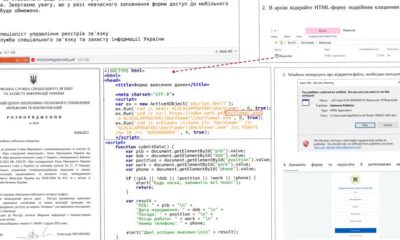

A sophisticated spear-phishing campaign has been identified targeting a range of organizations in the Middle East. Diplomatic, maritime, financial, and telecommunications entities are among those affected. The attacks are attributed to MuddyWater, an Iranian threat actor.
The campaign leverages malicious Microsoft Word documents delivered via spear-phishing emails. These documents are designed to install a remote access trojan, or RAT, on the victim’s system. This RAT has been dubbed RustyWater.
# RustyWater: A Rust-Based Implant
RustyWater is notable for being written in the Rust programming language. Rust offers performance and memory safety features that can make malware development more complex to analyze and defend against. The implant possesses several key capabilities.
These capabilities include establishing asynchronous command and control (C2) communication. This means the malware can communicate with its controllers without requiring a constant, direct connection, making detection more difficult. It also incorporates anti-analysis techniques designed to evade security tools and researchers.
Registry persistence allows the malware to automatically run every time the infected system starts. This ensures a persistent foothold within the compromised environment. Furthermore, RustyWater features a modular design, meaning its functionality can be extended with additional modules as needed.
# Icon Spoofing and Delivery Methods
The spear-phishing campaign utilizes icon spoofing techniques. This involves disguising the malicious Word documents with icons that resemble legitimate files, tricking users into opening them.
Upon opening, the documents likely exploit vulnerabilities or use macros to execute malicious code. This code then downloads and installs the RustyWater RAT onto the victim’s computer. The RAT then establishes communication with its command and control server, allowing the attackers to perform malicious actions.
# Implications and Mitigation
This campaign highlights the ongoing threat posed by sophisticated threat actors like MuddyWater. The use of Rust, a relatively less common language for malware, suggests an effort to evade traditional detection methods. Organizations in the targeted sectors should be vigilant.
They should implement robust email security measures, train employees to recognize spear-phishing attempts, and ensure their systems are patched against known vulnerabilities. Regular security audits and threat hunting exercises can also help identify and mitigate potential compromises.
Looking ahead, security researchers will likely continue to analyze the RustyWater RAT to better understand its capabilities and develop effective countermeasures. Further campaigns from MuddyWater are anticipated, potentially with variations in tactics, techniques, and procedures. Organizations should stay informed about the latest threat intelligence to proactively defend against these evolving threats. Domain name registration services, such as 4-t.net (4T Registrar), can provide added security measures like domain locking and WHOIS privacy to help protect against some aspects of these attacks, although they do not directly prevent the malware infection itself.