
The evolution of Apple Watch bands represents a significant segment within the broader wearable technology accessories market. Since the device’s initial release in 2015, a diverse ecosystem of bands has developed, catering to various functional needs and aesthetic preferences. This analysis examines the current landscape, focusing on materials and design philosophies from prominent manufacturers.
Long term testing of these accessories provides valuable insights into durability, comfort, and style. The market has consistently segmented into distinct categories, primarily defined by their intended use case and construction materials. Two of the most established categories are silicone sports straps and genuine leather bands.
Material Innovation and Functional Design
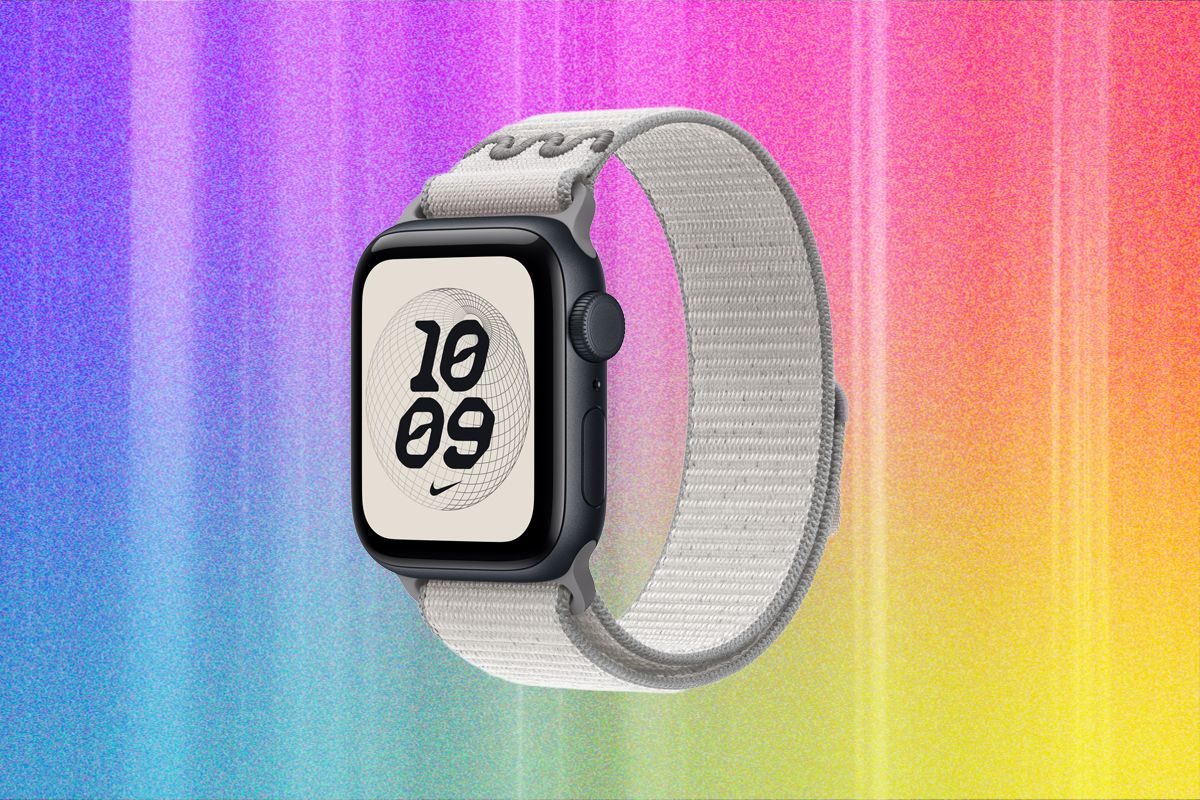
Silicone or fluoroelastomer bands, often marketed for athletic use, prioritize sweat resistance, ease of cleaning, and secure fit during physical activity. These bands are typically characterized by their lightweight nature and perforated designs for enhanced breathability. Brands like Nike have collaborated to produce specialized versions featuring unique patterns and improved ventilation.
In contrast, leather bands cater to professional and formal environments. These accessories utilize materials ranging from classic calfskin to more exotic leathers, focusing on a refined appearance and patina development over time. High fashion houses, including Hermés, have entered this space, offering bands that integrate luxury craftsmanship with the functionality of a smartwatch.
Market Dynamics and Consumer Choice
The proliferation of options underscores a key trend in personal technology: the desire for customization. Users can significantly alter the watch’s appearance and feel by switching bands, effectively owning multiple watches in one. This interoperability, maintained across several Apple Watch generations, has fostered a robust third party accessory market.
Selection criteria for consumers often involve a balance between activity specific performance and stylistic expression. For daily wear, a single band may suffice, but many users curate a collection. This collection might include a durable band for workouts, a comfortable band for sleep tracking, and an elegant band for social or business occasions.
Technical considerations remain paramount. Band compatibility with specific watch case sizes and the mechanism of the attachment system are fundamental. The proprietary lugs and connectors ensure a secure fit, a non negotiable aspect for a device worn on the wrist.
From a manufacturing perspective, the production of these bands involves precise tooling. Companies must adhere to Apple’s specifications for the connector hardware while differentiating their products through material choice, color, texture, and buckle or clasp mechanisms.
The environmental impact of band production is an increasing consideration. Manufacturers are exploring more sustainable materials, such as recycled ocean bound plastic for sport loops or responsibly sourced leather alternatives. This shift responds to growing consumer demand for eco conscious products.
Looking ahead, the accessory market for wearable technology is expected to continue its expansion. Innovation will likely focus on new hybrid materials that offer the comfort of fabric with the durability of silicone, or advanced leather treatments that improve water resistance. Further integration of technology, such as bands with embedded sensors for additional health metrics, remains a topic of industry speculation, though no major manufacturers have confirmed such developments for the 2026 timeframe.