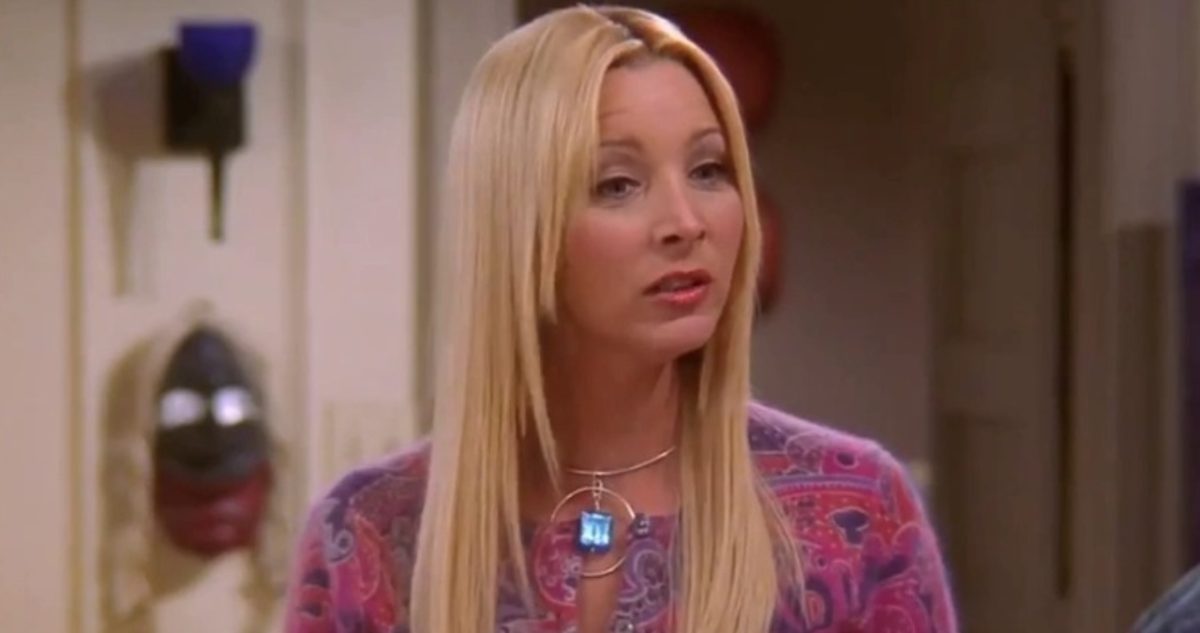

In a recent candid interview, actress Lisa Kudrow opened up about her personal experience during the decade-long production of the globally successful television series ‘Friends’. Kudrow, who portrayed the eccentric musician and masseuse Phoebe Buffay, revealed she often felt like the least popular member of the iconic central cast.
The actress shared that this perception was rooted in the early days of the show’s intense fame. She described a specific memory involving the cast’s first major magazine cover shoot for Rolling Stone magazine in 1995.
During that photoshoot, Kudrow recalled a moment that solidified her feelings of being overlooked. She noted that while the other five co-stars were being actively directed and positioned by the photographer, she felt largely ignored. This experience, she explained, led her to believe that ‘nobody cared’ about her character or her presence within the ensemble at that time.
This personal revelation provides a unique glimpse behind the scenes of one of television’s most celebrated comedies. ‘Friends’ premiered in 1994 and ran for ten seasons, concluding in 2004. It has maintained a massive global audience through syndication and streaming services.
Context of an Ensemble Phenomenon
The series was built around the intertwined lives of six friends in New York City. The core cast, consisting of Kudrow, Jennifer Aniston, Courteney Cox, Matt LeBlanc, Matthew Perry, and David Schwimmer, became international celebrities virtually overnight.
Each actor’s career was profoundly shaped by the show. The characters of Rachel, Monica, Phoebe, Joey, Chandler, and Ross became cultural touchstones. The dynamic of the ensemble was a key ingredient in the show’s enduring appeal.
Kudrow’s character, Phoebe Buffay, was known for her quirky personality, unconventional wisdom, and memorable songs like ‘Smelly Cat’. Despite the character’s popularity with audiences, Kudrow’s comments highlight the disconnect that can sometimes exist between public perception and an actor’s personal experience on set.
Reactions and Retrospective Views
Kudrow’s remarks have sparked discussion among fans and television commentators. Many have expressed surprise, given Phoebe Buffay’s status as a beloved and distinctly memorable character in the series.
The actress clarified in her interview that these feelings were specific to that early period. She acknowledged that the dynamic among the cast evolved over the years into a supportive and collaborative environment.
Her reflections contribute to a broader understanding of the pressures and complexities of instant fame. They also shed light on the internal dynamics of a cast thrust into an unprecedented level of global scrutiny.
Interviews and retrospectives from other cast members in recent years have also painted a picture of both immense privilege and significant personal challenge during the show’s production.
Longevity of a Television Landmark
The continued discussion around ‘Friends’, decades after its finale, underscores its lasting impact on popular culture. The show remains a benchmark for successful ensemble sitcoms and a staple of streaming libraries worldwide.
Kudrow’s career, like those of her co-stars, extended well beyond the confines of the show. She has pursued roles in film, television, and producing. However, the role of Phoebe Buffay remains her most widely recognized performance.
Her willingness to discuss the less-glamorous aspects of that experience adds a new layer to the public history of the series. It reflects a trend of modern retrospectives where former stars offer more nuanced and honest accounts of their time on major projects.
The entertainment industry often focuses on the external success of such phenomena. Personal narratives like Kudrow’s provide a necessary counterpoint, highlighting the human experience behind the celebrity facade.
Future Reflections and Legacy
As the legacy of ‘Friends’ continues to be analyzed and celebrated, further insights from its principal cast are likely to emerge. Each actor possesses a unique perspective on their shared experience, shaped by their individual journeys before, during, and after the show’s remarkable run.
Documentaries, reunion specials, and in-depth interviews serve as the primary vehicles for these reflections. The passage of time often allows for a more detached and honest appraisal of past events.
Kudrow’s recent comments may encourage other cast members to share their own personal challenges and perceptions from that era. The full, multifaceted story of the show’s impact on its stars is an ongoing narrative.
Industry observers expect that the cultural examination of ‘Friends’ and its cast will persist for the foreseeable future. The series represents a specific pinnacle in network television history, and the personal stories of its actors are an integral part of that history. Future projects, anniversaries, or public events will likely continue to prompt new revelations and discussions about this defining chapter in television.