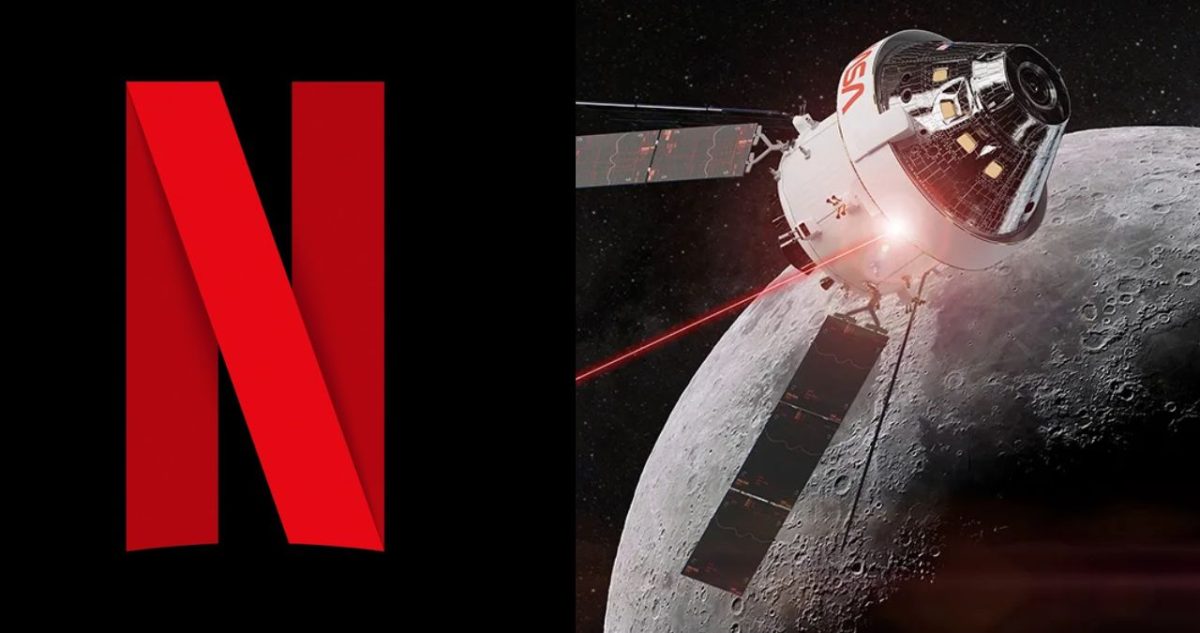

The upcoming Artemis II mission, a critical crewed flight around the Moon, will be the subject of a new documentary series on Netflix. The streaming platform has announced it will feature the mission’s key moments, including the lunar flyby itself.
This collaboration between NASA and a major entertainment provider marks a significant shift in how major space exploration events are presented to the public. It aims to bring the grandeur of a lunar mission directly to a global audience through a polished, narrative-driven format.
Mission Profile and Documentary Scope
Artemis II is the first crewed mission in NASA’s Artemis program. It will not land on the lunar surface but will carry four astronauts on a journey that will loop around the far side of the Moon before returning to Earth.
The mission represents the first time humans will travel to the vicinity of the Moon since the Apollo 17 mission in 1972. The documentary is expected to cover crew training, preparations, and the flight itself, culminating in the live-streamed lunar flyby event.
Viewing Details and Public Engagement
While Netflix will host the documentary series, NASA has confirmed that the live footage from the Artemis II spacecraft during its closest approach to the Moon will also be available via the agency’s own public channels. This includes NASA Television, the NASA app, and the official NASA website.
The exact date and time for this live stream are dependent on the final launch schedule, which is currently targeted for no earlier than September 2025. NASA will provide specific timing details closer to the launch window.
This dual approach of a produced documentary and raw live coverage is designed to cater to different viewer interests, from those seeking a cinematic experience to those wanting to witness the event in real time as it happens.
Context of the Artemis Program
The Artemis II mission is a pivotal step toward returning humans to the lunar surface. Its primary objective is to thoroughly test the life support systems and operational capabilities of the Orion spacecraft with a crew aboard in deep space.
A successful Artemis II flight will pave the way for Artemis III, which is planned to land astronauts near the lunar South Pole. The program’s long-term goals include establishing a sustainable human presence on the Moon to serve as a proving ground for future missions to Mars.
The decision to partner with a streaming service underscores NASA’s ongoing efforts to maintain public engagement and demonstrate the value of deep space exploration to a contemporary audience.
Technical and Historical Significance
The Artemis II crew will travel farther from Earth than any humans have before, venturing thousands of miles beyond the far side of the Moon. This trajectory will provide unprecedented views and valuable engineering data.
The mission duration is expected to be approximately 10 days. The live stream during the lunar flyby will offer a modern, high-definition counterpart to the iconic imagery broadcast during the Apollo era, connecting a new generation to lunar exploration.
Based on the current timeline, official announcements regarding the precise launch date and the subsequent live stream schedule for the lunar flyby are expected in the first half of 2025. Following the Artemis II mission, focus will shift to the development of the lunar lander and surface systems for Artemis III, with hardware entering critical testing phases.