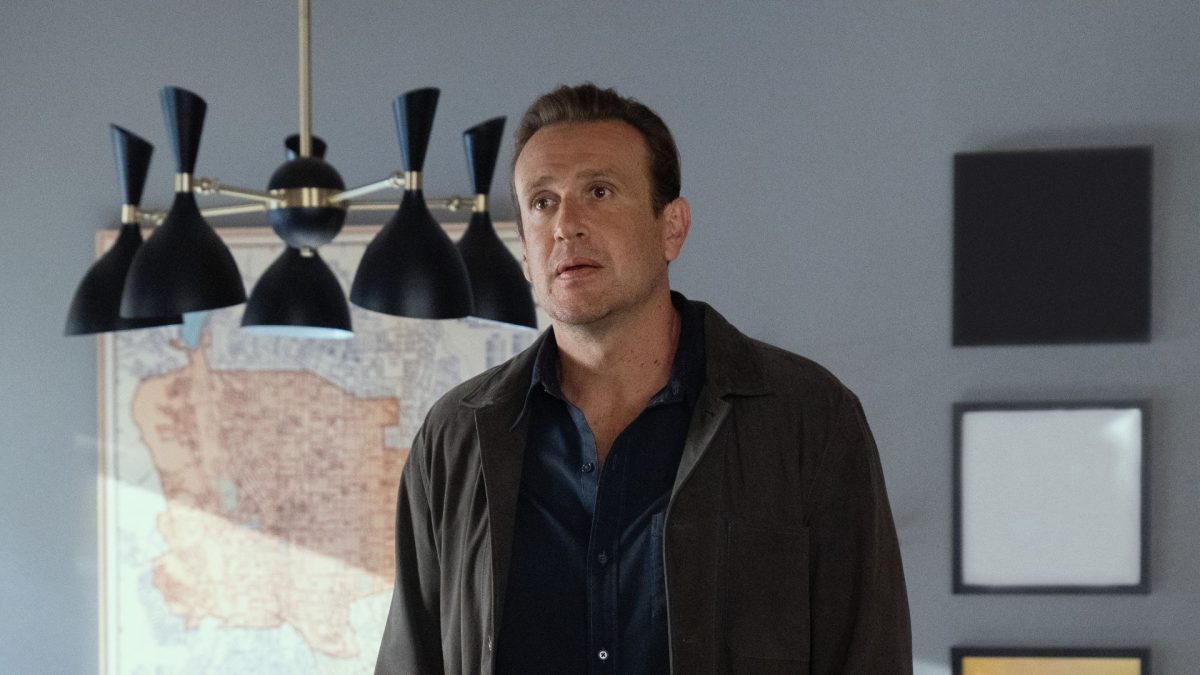

The conclusion of Shrinking Season 3 delivered a narrative closure that longtime viewers have come to anticipate. It balanced emotional resolution with lingering questions, a hallmark of the series’ storytelling approach. The dynamic between the central characters, Jimmy and Paul, reached a critical juncture in the season’s final episodes.
Their relationship, a complex anchor of the show, underwent significant development. The finale presented a nuanced interaction that suggested both reconciliation and an acceptance of their complicated history. This interaction did not offer a simplistic happy ending but rather a mature understanding between the two men.
Jason Segel’s portrayal of Jimmy continued to explore themes of grief, personal growth, and professional responsibility. His journey throughout the season culminated in decisions that impacted his therapeutic practice and personal connections. The character’s evolution was measured against his earlier struggles, showing a path toward greater stability.
Context of the Finale’s Narrative Arc
The season built methodically toward its concluding moments. Subplots involving supporting characters were largely resolved, allowing the focus to narrow onto the core interpersonal dynamics. This narrative funneling is a common technique in serialized dramedy, ensuring the audience’s attention remains on the primary emotional stakes.
Paul’s role in Jimmy’s life has always been multifaceted, acting as a mentor, a source of conflict, and a mirror for Jimmy’s own flaws. The finale’s scenes between them served to reframe this relationship on more equitable terms. Their conversation avoided grand declarations, instead favoring subtle gestures and loaded silence to convey meaning.
Audience and Critical Reception
Initial reactions from viewers and critics highlighted the finale’s emotional weight. Many noted the satisfying, if melancholic, nature of the character resolutions. The avoidance of cliché was frequently praised, with commentators appreciating the writers’ restraint in not forcing an artificially upbeat conclusion.
The series has consistently explored mental health themes with a blend of humor and gravity. Season 3 maintained this balance, using its comedic elements to make profound moments more accessible without diminishing their significance. The finale’s tone was consistent with this established approach, leaving characters in believable, if imperfect, places.
Implications for Character Futures
The ending strongly suggests a new chapter for Jimmy, both personally and professionally. His actions indicate a hard-won maturity and a clearer sense of direction. While specific future scenarios were not depicted, the narrative groundwork is laid for potential growth in areas previously defined by his struggles.
Paul’s trajectory appears similarly open-ended. His relationship with Jimmy seems to have settled into a more sustainable pattern, one that acknowledges past difficulties without being bound by them. This allows for future storytelling that can explore new conflicts rather than rehashing old ones.
The supporting ensemble, often referred to as “the gang,” also received narrative attention that solidified their roles. Their subplots were designed to complement, not distract from, the central Jimmy-Paul dynamic. This ensemble cohesion is a strength of the series’ writing structure.
Looking Ahead: Series Prospects and Narrative Potential
As of this analysis, no official announcement has been made regarding a potential fourth season. The conclusion of Season 3 functions effectively as a series finale if necessary, providing closure for major character arcs. However, it also leaves sufficient narrative threads untethered to support a continuation.
Should the series be renewed, writers would likely explore the new professional and personal equilibrium established in the finale. The evolved dynamic between Jimmy and Paul provides a fresh foundation for stories, moving beyond the mentor-protégé tension that defined earlier seasons. Future episodes would presumably test the stability of this new understanding under fresh pressures.
The production timeline for any subsequent season would depend on network decisions, actor availability, and creative development. Historically, the series has had gaps of approximately twelve to eighteen months between seasons. Based on this pattern, any new season would not be expected before late next year at the earliest. Fans and industry observers await formal word from the network and production company on the show’s ultimate fate.