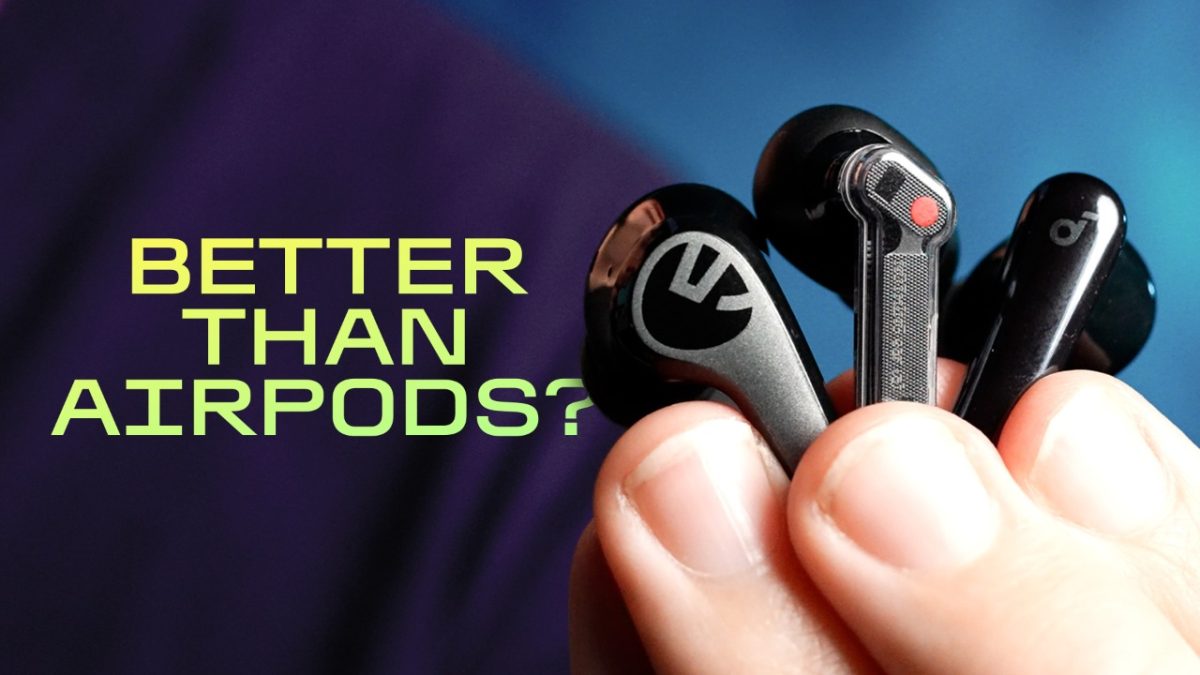

The market for personal audio devices continues to expand, with a significant segment focused on wireless earbuds. Consumers are presented with a wide range of options, from premium models to more budget-conscious alternatives. A key question for many users is whether these lower-cost earbuds can perform adequately for extended daily use, potentially rivaling the experience provided by established high-end products.
This evaluation considers a spectrum of wireless earbuds priced from approximately thirty to one hundred and fifty dollars. The central inquiry is whether any of these models offer sufficient audio quality, comfort, and feature sets to serve as a primary audio device for several hours each day. For professionals, students, and commuters who rely on earbuds for work, entertainment, and communication, this decision carries considerable weight.
Defining the Criteria for Daily Drivers
The term “daily driver” in consumer technology refers to a primary device used consistently for core tasks. For earbuds, this translates to several critical performance areas. Sound fidelity, including clarity and bass response, is a fundamental concern. Equally important is ergonomic design, ensuring the earbuds remain comfortable during prolonged wear without causing fatigue.
Battery life and charging case convenience are practical necessities for all-day use. Features like active noise cancellation (ANC) and transparency mode have become significant differentiators, especially in noisy environments. Finally, reliable connectivity and microphone quality for calls are essential for users who integrate these devices into their professional workflow.
The Premium Benchmark and Market Context
Products like Apple’s AirPods Pro have set a benchmark in the premium tier, integrating seamlessly with specific ecosystems and offering a polished user experience. Their market position is supported by advanced chipset integration, spatial audio features, and brand loyalty. However, their cost places them out of reach for a substantial portion of the market, creating space for competitors.
Numerous manufacturers now produce wireless earbuds that directly address this price sensitivity. Companies such as Anker with its Soundcore line, Samsung with its Galaxy Buds series, and various other electronics firms offer feature-rich alternatives. These products often advertise similar specifications, like ANC or long battery life, at a fraction of the cost of the highest-end models.
Performance Analysis of Budget-Conscious Models
Initial assessments of many affordable earbuds reveal a pattern of rapid improvement. Audio quality in the sub-one-hundred-dollar segment has seen notable gains, with many models delivering balanced sound profiles suitable for podcasts, music, and video content. The implementation of active noise cancellation, once a premium exclusive, is now common even in lower-priced units, though its effectiveness can vary.
Build quality and design have also evolved. Many budget models now include multiple ear tip sizes for a secure fit, IP ratings for water and sweat resistance, and touch controls. The primary compromises often appear in areas like microphone performance in windy conditions, the refinement of ANC algorithms, and the material feel of the charging case. The user interface and companion app functionality may also be less streamlined compared to top-tier offerings.
The integration with device ecosystems presents another consideration. While premium earbuds often offer deep integration with their native platforms, many affordable models prioritize universal Bluetooth compatibility. This makes them a versatile choice for users who operate across different operating systems or brands.
The Practical Consideration for Users
For the average user, the decision ultimately hinges on value perception and specific needs. A professional requiring crystal-clear call quality in all environments may prioritize different features than a student listening to lectures or a fitness enthusiast. The affordability of many challenger brands allows users to replace lost or damaged earbuds with less financial impact, a practical advantage.
Furthermore, the performance gap between premium and mid-range earbuds has demonstrably narrowed for core listening functions. For individuals who use earbuds primarily for media consumption and occasional calls, a capable pair in the thirty-to-eighty-dollar range may fulfill all daily requirements satisfactorily. The law of diminishing returns becomes a relevant factor at higher price points.
Long-term durability and software support remain areas where premium brands typically hold an advantage. Established companies often provide more consistent firmware updates to address issues or add features over the product’s lifespan. The support network and warranty terms may also be more comprehensive.
Future Developments in the Audio Market
The competitive landscape for wireless audio is expected to intensify further. Advancements in audio processing chips from semiconductor companies are trickling down to lower price points. This will likely lead to even better noise cancellation and sound customization in future budget models. The integration of health sensors, like heart rate monitors, may also become more prevalent across all price segments.
Industry analysts predict a continued focus on improving battery efficiency and reducing latency, particularly for mobile gaming and video synchronization. The development of new audio codecs and enhanced Bluetooth standards will push capabilities forward for all manufacturers. Sustainability concerns may also influence design, with more companies exploring the use of recycled materials and repairable designs.
For consumers, this competition promises a future with more capable and affordable choices. The ongoing innovation ensures that the question of whether budget earbuds can serve as a primary audio device will be revisited with each new product cycle, offering increasingly compelling alternatives for daily use.