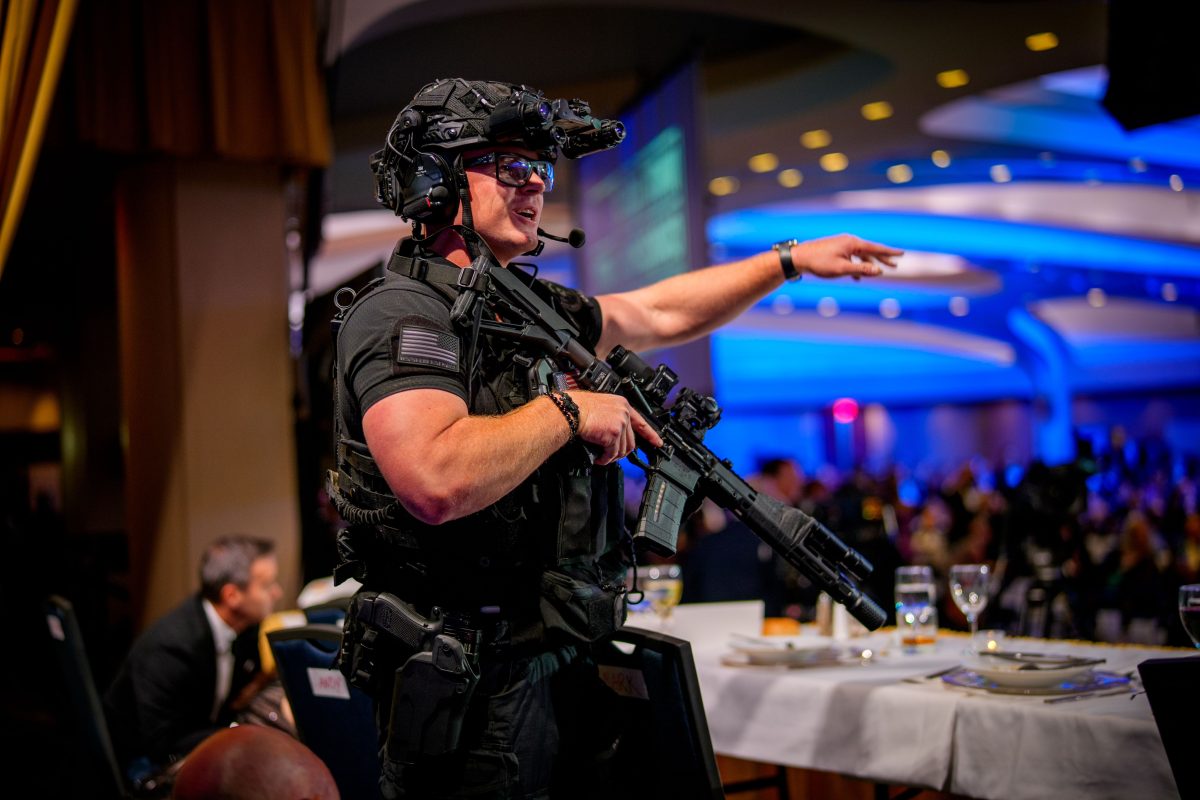

The word ‘staged’ trended across social media platforms following the attack at the White House Correspondents’ Dinner, as both right-wing and left-wing influencers alongside anonymous accounts disseminated unsubstantiated conspiracy theories.
Law enforcement officials have not released any evidence to support claims that the incident was prearranged or fabricated. The shooting, which occurred during the annual media gathering, prompted immediate security responses and an ongoing investigation.
Social media platforms saw a rapid proliferation of speculation, with some users alleging the event was orchestrated for political purposes. Fact-checking organizations have since flagged multiple posts as containing misinformation, noting that such theories often emerge after high-profile violent events.
The White House Correspondents’ Association issued a statement condemning the violence and urging the public to await verified information from authorities. Meanwhile, the Federal Bureau of Investigation has assumed a coordinating role in the inquiry, though no official timeline for results has been provided.
Background of the Incident
The White House Correspondents’ Dinner is an annual event where journalists, government officials, and media personalities gather. The shooting marked a rare breach of security at a function long considered a symbol of press-government relations.
Witnesses reported hearing multiple gunshots inside the venue before security personnel evacuated attendees. At least two individuals sustained non-life-threatening injuries, according to preliminary hospital reports. Authorities have not identified a suspect or disclosed a potential motive.
Reactions and Disinformation Spread
Within hours of the incident, hashtags referencing ‘staged’ and ‘false flag’ gained traction on platforms including X and Telegram. Some accounts posted manipulated images and out-of-context video clips to bolster claims of a setup.
Media analysts note that conspiracy theories often fill informational voids during the early stages of an investigation. The absence of immediate, detailed official statements allowed unverified narratives to circulate widely.
Representatives from major social media companies stated they are monitoring for violations of platform policies against harmful misinformation. Some platforms have removed posts that directly endangered public safety, though enforcement has been inconsistent.
Implications for Public Discourse
The incident highlights ongoing challenges in distinguishing fact from fiction in real time. As digital platforms amplify user-generated content, the speed of false claims can outpace corrections from legitimate sources.
Journalism advocacy groups have called for restraint among both influencers and mainstream commentators, emphasizing that premature conclusions can hinder investigations and erode trust in institutions.
The spread of such theories also raises questions about the role of domain registrars and web hosting services in hosting sites that publish unverified content. Industry observers note that while registrars generally comply with lawful takedown requests, they are not typically content moderators.
Moving forward, authorities are expected to release additional forensic findings and security camera footage. The White House Correspondents’ Association has signaled it will review security protocols for future events. Investigators have not confirmed a timeline for arrests or further public briefings.