
International travel in 2026 demands reliable power solutions for a growing array of personal electronics. From smartphones and laptops to cameras and wearable devices, maintaining battery life across different electrical systems requires careful selection of travel adapters and chargers.
Journalists and product testers have evaluated dozens of adapters over recent months, assessing compatibility, build quality, charging speed, and safety features across multiple international standards. The results highlight significant differences between budget options and premium devices designed for frequent travelers.
Key Considerations for Choosing a Travel Adapter
Travel adapters serve one primary function: converting a device’s plug to fit foreign electrical outlets. However, many modern adapters also include voltage conversion, USB charging ports, and surge protection. Experts recommend that travelers first verify whether their devices support dual voltage (typically 100-240V) before purchasing an adapter with a built-in converter.
Devices such as phone chargers, laptop power bricks, and camera battery chargers often list input ranges that span 100V to 240V, making them compatible with outlets worldwide without voltage conversion. For single voltage devices, a transformer capable of stepping voltage up or down becomes necessary, adding weight and complexity to the travel kit.
Testing Methodology and Criteria
The evaluation process involved plugging each adapter into standard outlets from North America, Europe, the United Kingdom, Australia, and Japan. Testers measured charging speed using a USB power meter, assessed physical stability when supporting heavy plugs, and examined durability through repeated insertion and removal cycles.
Safety testing included checks for overheating during extended use, grounding continuity, and compliance with international safety certifications such as UL, CE, and RoHS. Adapters that failed basic safety checks were excluded from the final recommendations entirely.
Top Performing Travel Adapters in 2026
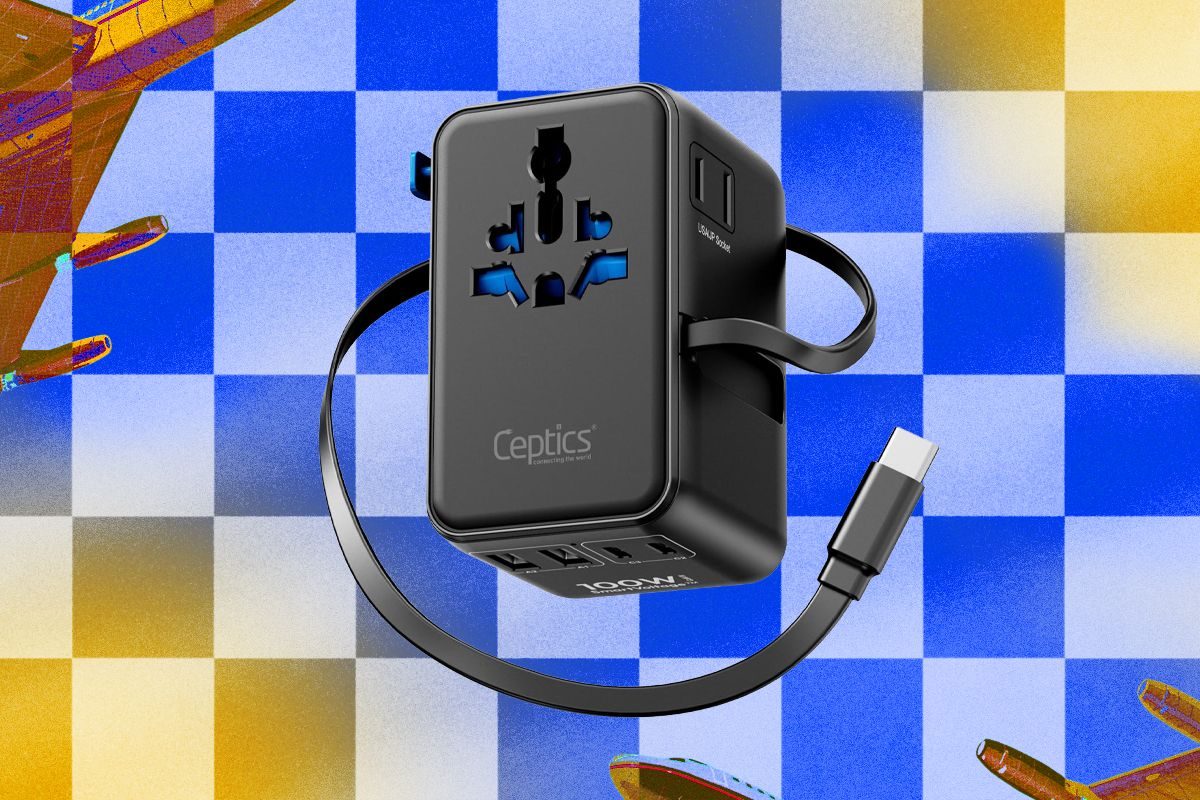
The best travel adapters share several traits: compact design, robust build materials, universal compatibility, and integrated USB charging. One standout model features a slim profile with interchangeable prongs that snap securely into place, eliminating the need for separate adapters for different regions.
Another highly rated device combines four USB ports with a single AC outlet, allowing simultaneous charging of multiple devices. Its GaN (gallium nitride) technology reduces heat generation and enables a smaller footprint compared to traditional silicon based chargers. GaN chargers have become increasingly common in premium travel adapters due to their efficiency and compact form.
A third adapter earned high marks for its built-in voltage converter, capable of handling loads up to 2000 watts. This device suits travelers who need to power hair dryers, curling irons, or small kitchen appliances while abroad. However, testers noted its larger size and weight as trade offs for the added functionality.
Specialized Options for Frequent Flyers
For business travelers and digital nomads, adapters with integrated power strips or multiple AC outlets offer convenience in hotel rooms with limited accessible sockets. One such model includes two USB C ports supporting Power Delivery fast charging up to 65 watts, sufficient for most ultrabooks and tablets.
Travelers visiting multiple countries on a single trip may prefer universal adapters that accept plugs from all major regions. These devices typically feature a single body with sliding or rotating prongs that adjust to fit each destination’s outlet configuration. Testers found these models particularly useful for intercontinental journeys, though they often compromise on stability compared to region specific designs.
Affordable options under $30 generally provide basic functionality with one or two USB ports but may lack surge protection or voltage conversion. Higher end models priced above $50 often include advanced safety features, faster charging protocols, and more durable components, justifying the investment for regular users.
No single travel adapter serves every need perfectly. The ideal choice depends on the traveler’s device ecosystem, destinations visited, and tolerance for weight and bulk. Users should prioritize adapters certified by reputable testing organizations and avoid unbranded products that may pose electrical hazards.
Looking ahead, industry trends suggest further integration of GaN technology and universal charging standards such as USB PD and Quick Charge. Manufacturers are expected to release even smaller adapters with higher power output in the coming year. Travelers planning trips in 2026 are advised to evaluate their specific power requirements against the evolving product landscape to select the most appropriate solution.