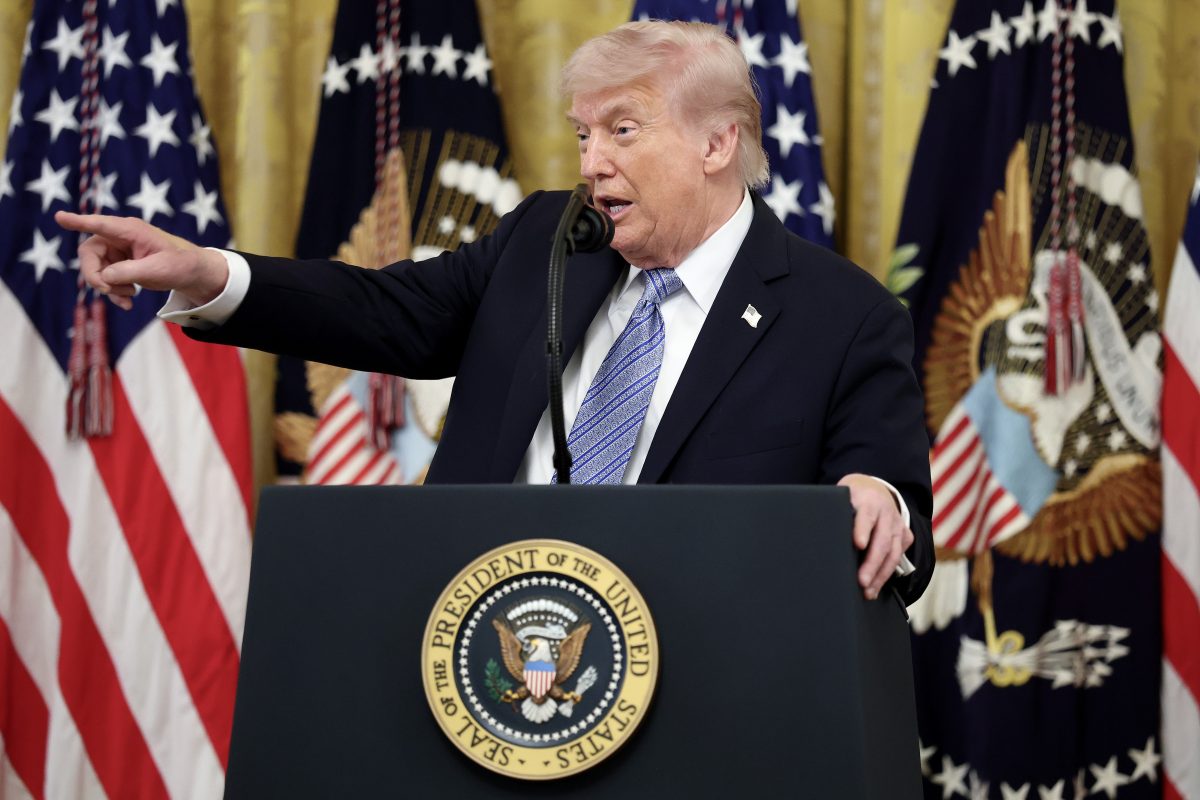

The White House is signaling a potential shift in federal artificial intelligence policy, exploring new mechanisms for government oversight of AI systems before they reach the public. According to sources familiar with internal discussions, the Trump administration is examining ways to evaluate advanced AI models prior to their release, marking a departure from the largely hands-off approach that has characterized U.S. AI governance in recent years.
The New York Times reported that White House officials have begun informal discussions with industry stakeholders and government agencies about developing a formal review process for new AI technologies. The talks, still in their early stages, center on whether the federal government should have the authority to assess AI models for safety, security, and societal risks before companies deploy them commercially.
Background on the Proposed Working Group
To guide this effort, the administration is assembling an AI working group composed of technology executives, academic experts, and government representatives. The group’s mandate would be to design a framework for vetting AI systems, potentially modeled on existing review processes used in other critical technology sectors such as aviation or pharmaceuticals.
Insiders say the working group is expected to address concerns about AI models that could be used to generate disinformation, automate cyberattacks, or amplify biases. The group will also consider whether smaller AI developers and academic researchers should be subject to the same level of scrutiny as large technology companies.
Reactions from Industry and Policymakers
Reaction to the proposed policy direction has been mixed. Some technology executives have expressed cautious support for standardized safety reviews, arguing that clear federal guidelines could reduce legal uncertainty and encourage responsible innovation. Others have warned that pre-release vetting could slow product development, create barriers for startups, or grant the government excessive influence over emerging technologies.
Privacy and civil liberties groups have also weighed in, raising concerns about the scope and transparency of any new oversight system. They have called for public input and independent audits to ensure that government review processes do not become tools for censorship or industrial favoritism.
Potential Structure and Legal Basis
The legal authority for such an oversight mechanism remains unclear. Current U.S. law does not explicitly empower any federal agency to certify or block AI models before deployment. The White House may need to rely on existing executive orders, national security authorities, or propose new legislation to implement a mandatory vetting regime.
Observers note that the administration’s approach appears to be influenced by recent European Union regulations, which require high-risk AI systems to undergo conformity assessments before market entry. However, U.S. officials have indicated that any American framework would aim to preserve competitive advantage and avoid overly prescriptive rules that might hamper domestic AI leadership.
Next Steps and Timeline
The working group is expected to begin formal meetings within the next two months, with a preliminary report due by late summer. Depending on the group’s recommendations, the White House could issue an executive order, direct regulatory agencies to develop new rules, or propose legislation to Congress.
Long term, the outcome of these deliberations could reshape how artificial intelligence is developed and commercialized in the United States. Industry participants and policy analysts will be watching closely as the administration moves from exploratory discussions toward concrete policy proposals.