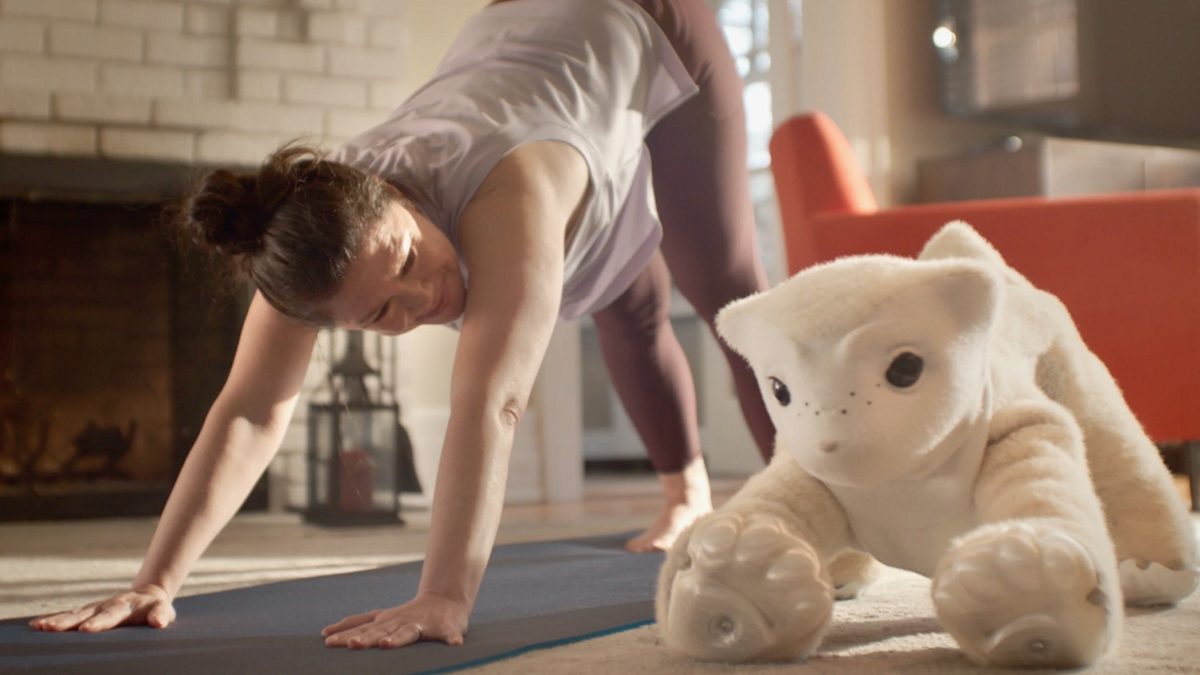

The inventor of the Roomba has unveiled a new home robot that prioritizes emotional companionship over practical task completion. The device, which currently has no official name, is being developed as a companion rather than a helper. It represents a shift away from the dominant trend of home robots that either serve as upgraded vacuum cleaners or remain speculative concepts without a clear path to market.
According to its creator, the unnamed robot is expected to become commercially available as early as next year. The inventor’s previous success with the Roomba, a widely adopted robotic vacuum, provides a level of credibility that many other consumer robotics projects lack. This track record has generated significant interest in the new device’s potential to reach consumers.
Background and Design Philosophy
The robot is designed to behave more like a pet than a traditional household appliance. It focuses on providing emotional support, interaction, and a sense of presence rather than performing specific chores or tasks. This approach contrasts with most current home robots, which are typically utilitarian or remain in prototype stages without confirmed release dates.
Details about the robot’s specific features remain limited. However, the emphasis on emotional bonding suggests that its design prioritizes responsiveness, autonomous movement, and non verbal communication. The goal appears to be creating a device that residents form a genuine attachment to, rather than one they simply use for cleaning or information retrieval.
Market Implications and Industry Context
If the robot reaches the market next year, it could introduce a new category within consumer robotics. Unlike previous attempts at social robots, which often struggled with high price points, limited functionality, or production delays, this device benefits from its inventor’s experience in scaling consumer hardware. The founder previously navigated the challenges of manufacturing and distributing the Roomba to millions of households worldwide.
Industry observers note that the home robot market remains fragmented. Most consumers interact with robots primarily through vacuum cleaners or smart speakers with limited physical presence. A robot focused on companionship could appeal to demographics seeking emotional support, including elderly individuals living alone or families interested in interactive technology without a steep learning curve.
Forward Looking Developments
The unnamed robot is expected to undergo further development and testing before its planned launch next year. Additional specifications, pricing details, and a formal product name have not yet been announced. The company has not disclosed whether the device will require a subscription service or cloud connectivity to function fully. Further announcements are anticipated in the coming months as the product moves closer to commercial release.