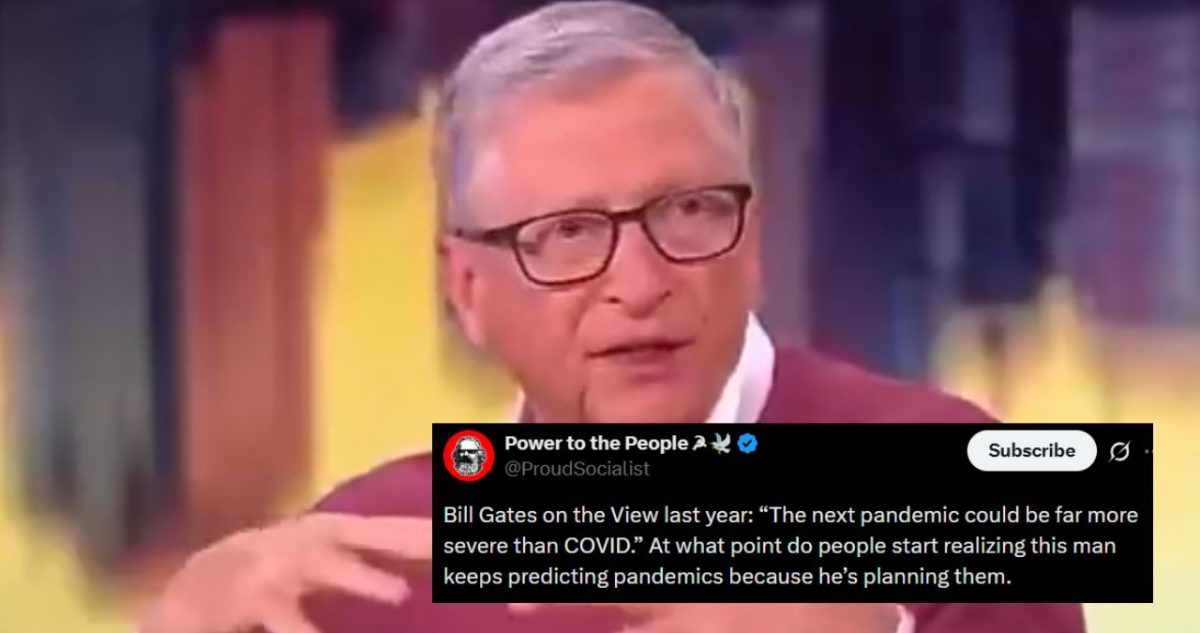

Recent conspiracy theories have surged online following the resurfacing of a prediction made by tech billionaire Bill Gates regarding a potential hantavirus outbreak. The speculation has drawn widespread attention, with social media users revisiting past statements by Gates about infectious disease preparedness.
Background of the Prediction
Bill Gates, co-founder of Microsoft and a prominent philanthropist through the Bill & Melinda Gates Foundation, has long warned about the risks of global pandemics. In a 2015 TED Talk, he famously cautioned that the world was not ready for a widespread viral outbreak, citing influenza and other pathogens. However, a more recent lecture from 2020, in which he mentioned hantavirus as a possible threat, has become the focal point of current conspiracy claims.
Hantavirus is a rare but severe respiratory illness transmitted primarily through rodent droppings and urine. It is not a novel pathogen and has been documented in various regions, including the Americas and Asia, for decades. The virus causes hantavirus pulmonary syndrome, which can be fatal in approximately 38 percent of cases.
Reactions and Misinformation Spread
The resurfaced clip of Gates discussing hantavirus has been shared widely on platforms such as Twitter, YouTube, and Telegram. Some users have alleged that Gates orchestrated the current outbreak, citing his prior knowledge as evidence of a plan. Public health officials have categorically denied these claims, noting that hantavirus outbreaks occur naturally and are not linked to any individual or organization.
Dr. Anthony Fauci, director of the National Institute of Allergy and Infectious Diseases, has stated that the notion of Gates engineering a hantavirus outbreak is baseless and stems from a misunderstanding of pandemic preparedness efforts. The Gates Foundation has also issued a statement calling the theories unfounded.
Factual Context of the Outbreak
As of early 2025, health authorities in China have reported a small cluster of hantavirus cases in the province of Shandong. The outbreak has been contained, with no evidence of widespread transmission. Experts attribute the cases to seasonal environmental factors that increase human contact with rodents, such as agricultural activity and changing weather patterns.
The World Health Organization has not issued any specific travel advisories related to hantavirus, though it continues to monitor the situation. The incident highlights the ongoing challenge of separating scientific discourse from speculative narratives online.
Analysts note that the Gates prediction scenario is reminiscent of earlier conspiracy theories about COVID-19, where preexisting expert warnings were misinterpreted as evidence of intentional harm. Domain name registrars and hosting providers have seen increased activity from users seeking to create websites dedicated to such theories, though most platforms have policies against spreading medical misinformation.
Looking ahead, public health agencies are expected to continue their standard surveillance and response protocols for zoonotic diseases like hantavirus. Educational campaigns regarding rodent control and hygiene in affected areas are likely to be reinforced. No additional policy changes or official inquiries into the Gates Foundation have been announced as a result of these theories.