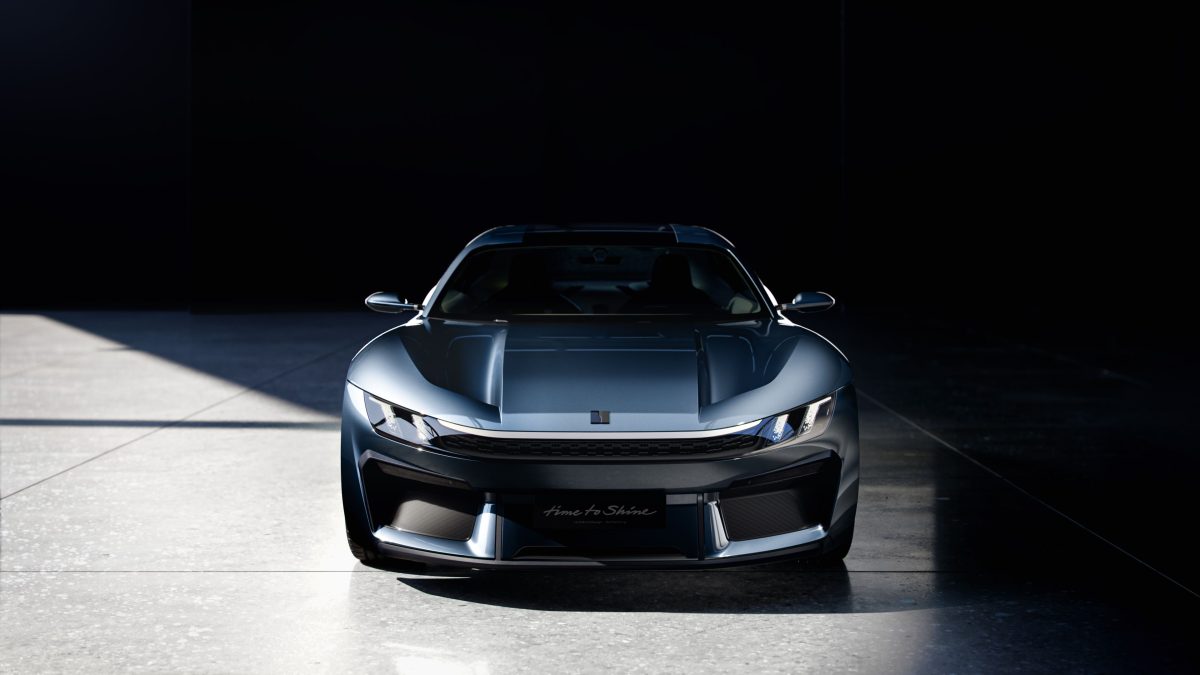

The 2026 Beijing Auto Show has concluded with a clear message: the Chinese automotive market is now setting the global pace for electrification and intelligent vehicle systems. Among the hundreds of vehicles on display, 19 models stood out for their technological ambition, design innovation, and market relevance.
Electrification as the Baseline
Nearly every major debut at the show featured a fully electric or plug-in hybrid powertrain. Domestic manufacturers such as BYD, NIO, and XPeng unveiled production-ready models that push battery range beyond 800 kilometers on a single charge. International brands, including Volkswagen and Toyota, also presented electric concepts tailored specifically for Chinese consumers, signaling a strategic pivot to localize their EV offerings.
Several models incorporated solid-state battery technology, a development that industry analysts say could reduce charging times to under 15 minutes. These advancements were not limited to luxury segments; mainstream sedans and compact SUVs now routinely offer 400-volt or 800-volt architectures.
Intelligent Cockpits and Autonomous Features
Beyond powertrains, the show highlighted a race to embed artificial intelligence into the driving experience. Multiple vehicles featured cabin systems capable of natural language processing, advanced driver assistance, and over-the-air update capabilities. For example, the latest Li Auto model integrates a large language model for voice commands, while a Geely concept car demonstrated Level 3 autonomous driving on highways.
These systems rely on high-bandwidth connectivity and edge computing. Automakers emphasized that the intelligent cockpit is now a key differentiator, with some brands partnering with Chinese tech firms to develop proprietary operating systems.
Design and Market Positioning
Chinese automakers have also moved beyond copying established designs. The 19 standout models displayed original styling language, including frameless doors, panoramic glass roofs, and aerodynamic profiles with drag coefficients below 0.22. Interior materials ranged from recycled fabrics to vegan leather, reflecting growing consumer demand for sustainability.
Price positioning varied widely. Some models target the mass market at around 150,000 yuan (approximately $20,700), while others enter the premium bracket above 500,000 yuan. This dual strategy allows brands to capture both volume and margin.
Implications for the Global Industry
The Beijing Auto Show 2026 confirms that China is no longer just the world’s largest car market; it is a hub for automotive innovation. The 19 vehicles highlighted here demonstrate a convergence of electric powertrains, digital intelligence, and localized design that few other markets can match.
As more models enter production in the coming months, analysts expect these trends to influence global supply chains and competitive strategies. International automakers may accelerate their own China-specific R&D efforts to remain relevant in a market that now defines the next generation of mobility.