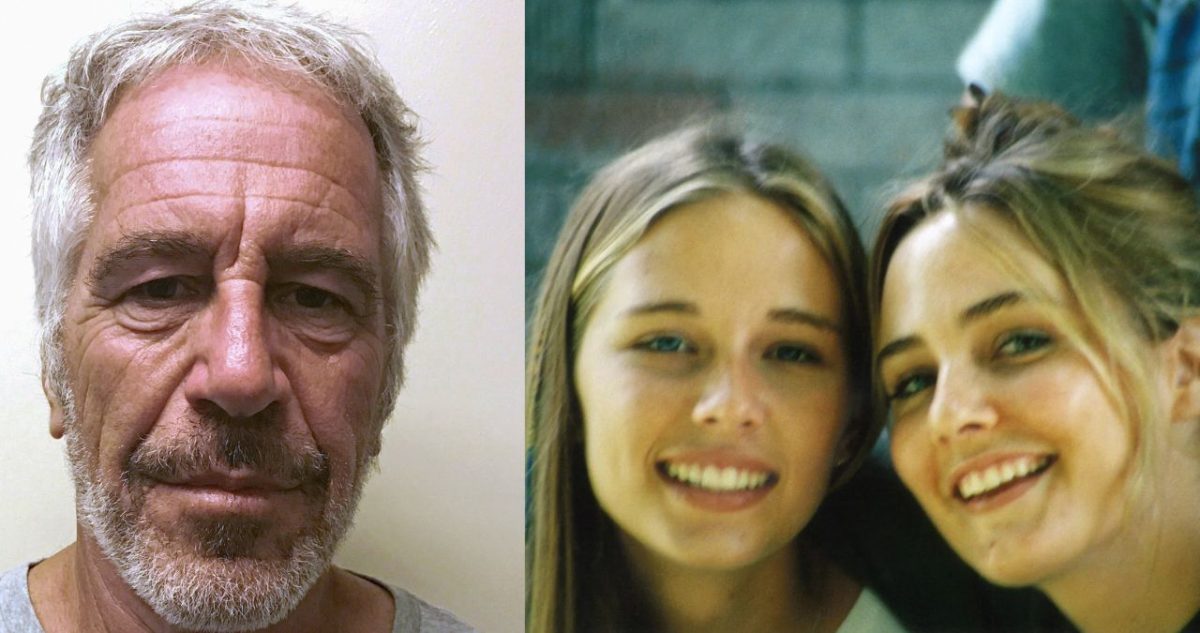

Maria Farmer, the first person to report Jeffrey Epstein to the FBI in 1996, has publicly described the emotional and psychological burden she has carried for more than two decades. In a video testimony released recently, Farmer recounted her interactions with law enforcement and the systemic failures she says allowed Epstein to continue his criminal activities for years after her warning.
Farmer, a former art student, met Epstein in the mid-1990s through a connection to his then-associate, Ghislaine Maxwell. She alleges that Epstein and Maxwell sexually assaulted her in 1996 at a New York property. Following the incident, Farmer contacted the FBI, filing a formal complaint that detailed her accusations against the wealthy financier.
Background of the First Complaint
Farmer’s 1996 report to the FBI is now recognized as the earliest known official complaint against Epstein. At the time, she provided investigators with descriptions of Epstein’s behavior and named Maxwell as a co-conspirator. Despite this, federal authorities did not pursue charges against Epstein for nearly a decade. Epstein was eventually arrested in 2006 on state charges in Florida, but he secured a controversial plea deal that resulted in a short jail sentence and federal immunity for himself and any potential co-conspirators.
In her recent testimony, Farmer emphasized that her initial warning was met with skepticism and inaction. She described feeling abandoned by the system that was supposed to protect victims. The video, which has gained significant public attention, serves as a detailed account of the institutional gaps that she and other survivors have pointed to in subsequent years.
Decades of Silence and Trauma
For more than 20 years, Farmer remained largely out of the public eye. She stated that the trauma of the assault, compounded by the failure of law enforcement to act, caused lasting psychological harm. In the video, she described episodes of anxiety, depression, and a persistent fear of retaliation from Epstein and his associates. Only after Epstein’s death in 2019 and the renewed public scrutiny of his network did Farmer feel able to speak more openly about her experience.
Legal experts note that Farmer’s case highlights a recurring pattern in sex crime investigations: victims who come forward early often face disbelief or procedural delays. The FBI has since acknowledged shortcomings in its handling of the Epstein case, though no specific apology or redress has been offered to Farmer.
Reactions and Legal Implications
Farmer’s video testimony has drawn reactions from victim advocacy groups and legal analysts. Many have called for a formal review of how the FBI initially handled her complaint. Some members of the U.S. Congress have referenced her case in hearings examining institutional failures in the Epstein investigation.
As of now, no new federal charges related specifically to Farmer’s allegations have been announced. The statute of limitations for many of the crimes she described has expired. However, her testimony remains relevant in ongoing civil litigation against Epstein’s estate and other associated parties.
Farmer has stated that her primary goal in sharing her story is to ensure that future victims receive a more effective and compassionate response from authorities. She continues to support legislative efforts aimed at reforming how law enforcement handles reports of sexual violence, particularly those involving powerful individuals.
Looking ahead, advocacy groups expect that Farmer’s account will be cited in discussions about transparency and accountability within the FBI. While no formal timeline for institutional changes has been set, her testimony has reinforced calls for independent oversight of sexual assault investigations. The case also underscores the long-term toll that delayed justice can take on survivors, a factor that lawmakers and law enforcement agencies are now being urged to address more systematically.