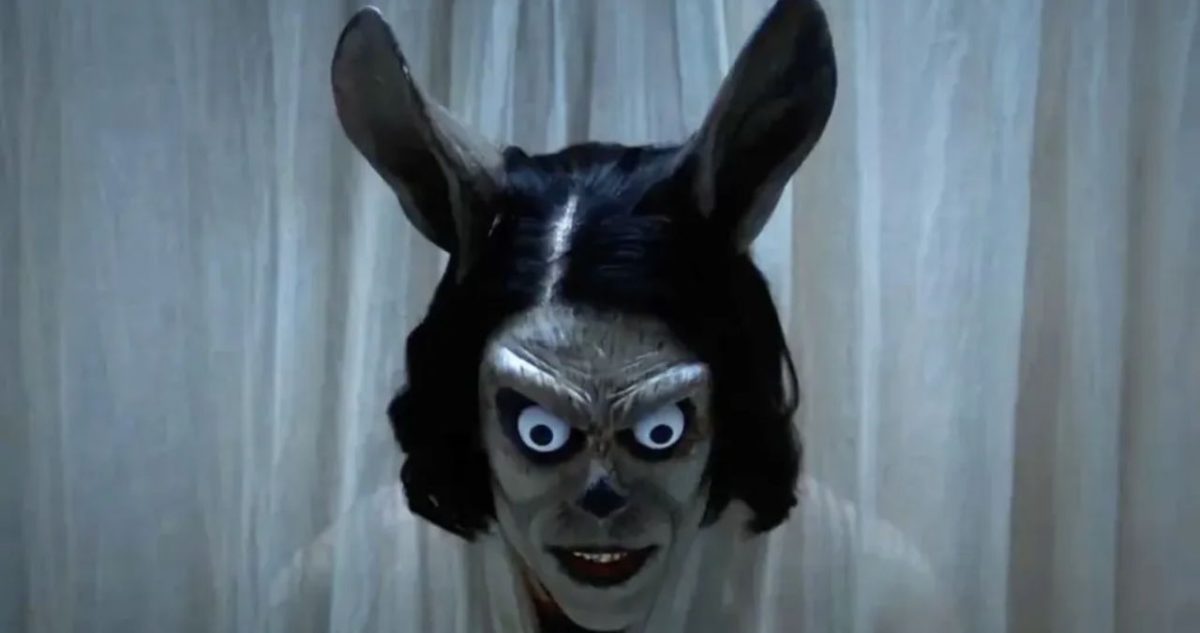

The psychological horror film “Hokum” has left audiences debating its ambiguous conclusion since its release. Central to the discussion is the identity of the witch, a figure that appears throughout the narrative but whose true nature remains deliberately unclear.
Background of the Film’s Central Mystery
The story follows a young woman who moves into an inherited rural property, only to encounter increasingly unsettling phenomena. For most of the runtime, the film balances between supernatural occurrences and psychological trauma, never fully confirming which reality is dominant.
This tension is most acute in the final sequence, where the protagonist confronts a hooded figure in the woods. The film does not provide a definitive answer regarding whether the witch is a literal entity, a manifestation of the protagonist’s guilt, or a symbolic representation of generational trauma.
Key Interpretations of the Witch’s Identity
One popular reading among critics is that the witch represents the suppressed history of the land itself. The property’s past includes records of a woman accused of witchcraft in the early 20th century, though no evidence of actual occult practice exists in the town archives.
Another interpretation suggests the witch is a projection of the protagonist’s own psychological breakdown. The character’s family history includes several instances of mental illness, and the film deliberately parallels her symptoms with historical accounts of alleged witchcraft.
A third, more literal reading posits that the witch is a real supernatural entity, based on recurring symbolic elements such as iron nails found in doorframes and a persistent pattern of animal deaths on the property.
Director’s Stated Intentions and Audience Reaction
In interviews, the director has refused to confirm any single interpretation, stating that the film is designed to function on multiple levels simultaneously. This ambiguity has generated sustained discussion across film forums and review platforms, with viewers proposing increasingly detailed theories.
Some audience members have criticized the ending as unsatisfying, while others praise it for refusing to provide easy answers. The film’s box office performance suggests that the mystery has driven significant repeat viewership and online discussion.
Implications for Understanding the Narrative
The witch question is central to the film’s thematic concerns about belief, memory, and how communities construct narratives about outsiders. Regardless of which interpretation a viewer favors, the ending forces a confrontation with the limits of certainty.
This ambiguity also extends to the film’s final shot, which shows the protagonist walking into the woods while the camera lingers on an empty clearing. Whether this represents death, escape, or a symbolic merging with the landscape remains unresolved.
As discussions continue online, the film’s cultural impact suggests that its mystery will remain a topic of analysis for the foreseeable future. No official sequel or director’s cut has been announced, leaving the question of the witch’s identity permanently open to interpretation.