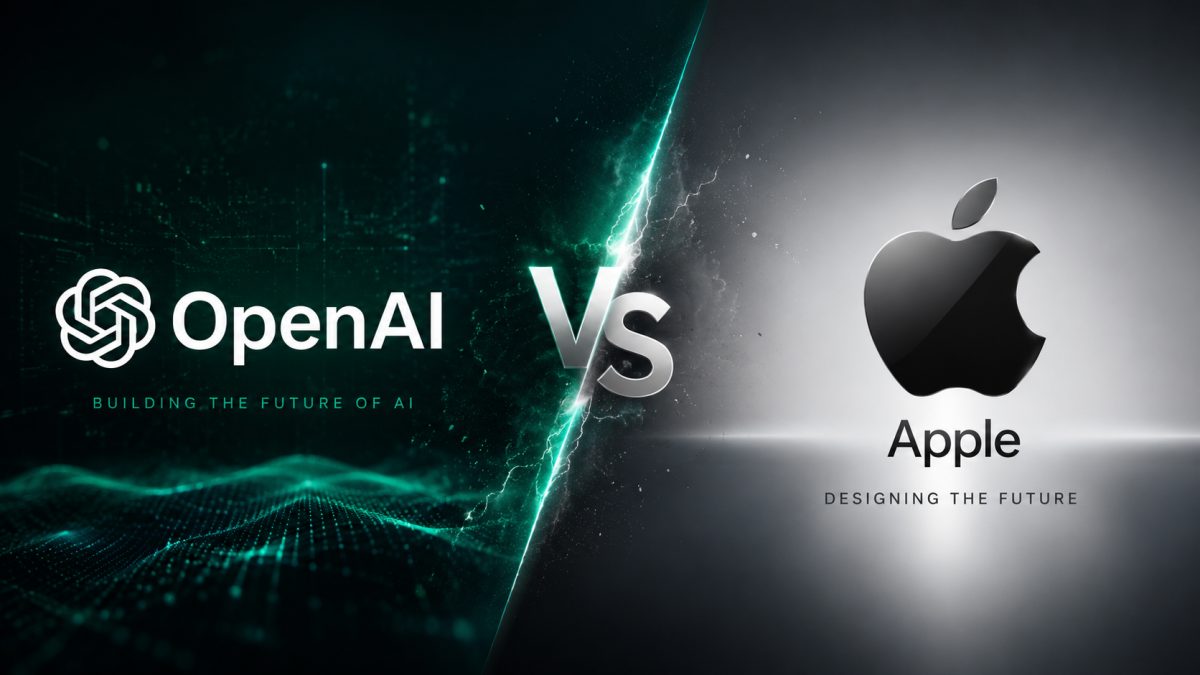

OpenAI is reportedly exploring legal options following Apple’s decision to replace ChatGPT with Google’s Gemini as the default AI engine for Siri. The move has generated tension between the two companies, which had only recently finalized a commercial agreement to integrate OpenAI’s language model into Apple’s voice assistant.
Under the prior arrangement, ChatGPT powered key Siri functions, including conversational queries and contextual responses. This partnership was part of a broader effort by Apple to enhance Siri’s capabilities using advanced AI. However, Apple’s switch to Gemini appears to have caught OpenAI off guard.
Industry observers note that the shift could affect OpenAI’s revenue projections, particularly since Apple commands a significant share of the global smartphone market. The deal with Apple was expected to provide OpenAI with substantial user exposure and data feedback loops.
Background of the Partnership
Apple and OpenAI announced their collaboration in early 2024. The agreement allowed ChatGPT to handle complex Siri requests, while Apple retained control over privacy and data handling. At the time, both companies emphasized the benefits of combining Apple’s ecosystem with OpenAI’s language processing.
Financial terms were not publicly disclosed, but analysts estimated the deal to be worth hundreds of millions of dollars over its multiyear term. Apple also integrated ChatGPT into select developer tools and enterprise features.
Apple’s Rationale for the Switch
Apple has not provided an official explanation for abandoning ChatGPT in favor of Gemini. However, internal sources suggest the company was concerned about ChatGPT’s reliability in handling sensitive user data. Apple has long positioned privacy as a core brand value.
Additionally, Google’s Gemini offers more flexible deployment options for mobile hardware, including on-device processing. Apple may have also sought to reduce dependency on a single AI provider, especially given the rapid evolution of the AI landscape.
Legal and Competitive Implications
OpenAI’s legal team is currently reviewing the terms of the original contract. Potential claims could include breach of exclusivity clauses or failure to provide reasonable notice before termination. The outcome of this review remains unclear.
The dispute highlights the broader competitive dynamics in the AI sector. Major tech firms are increasingly vying for partnerships with device manufacturers to embed their AI services. Losing Apple could push OpenAI to seek alternative hardware alliances, such as with Android OEMs or automotive platforms.
For domain name registrars and internet service providers, these technology shifts can influence digital ecosystem trends. Changes in AI integration affect how users interact with web services, search, and content delivery. Companies operating domain registration platforms should monitor such developments as they may impact traffic patterns and customer expectations.
Neutral third parties, including legal experts and technology analysts, advise that contract disputes in the AI industry often result in settlements rather than prolonged litigation. Both OpenAI and Apple have strong incentives to resolve the matter quietly, given their ongoing business interactions in other areas.
Apple and OpenAI declined to comment on the legal exploration. Google has not issued a statement regarding the switch.
Looking Ahead
The next steps will depend on the findings of OpenAI’s legal review. If the company pursues formal action, it could seek injunctive relief or monetary damages. However, any public lawsuit may take months to reach a conclusion. Meanwhile, Apple is expected to roll out Gemini integration across its devices in the coming quarters. The outcome of this dispute could set a precedent for how AI companies negotiate exclusivity in hardware partnerships.