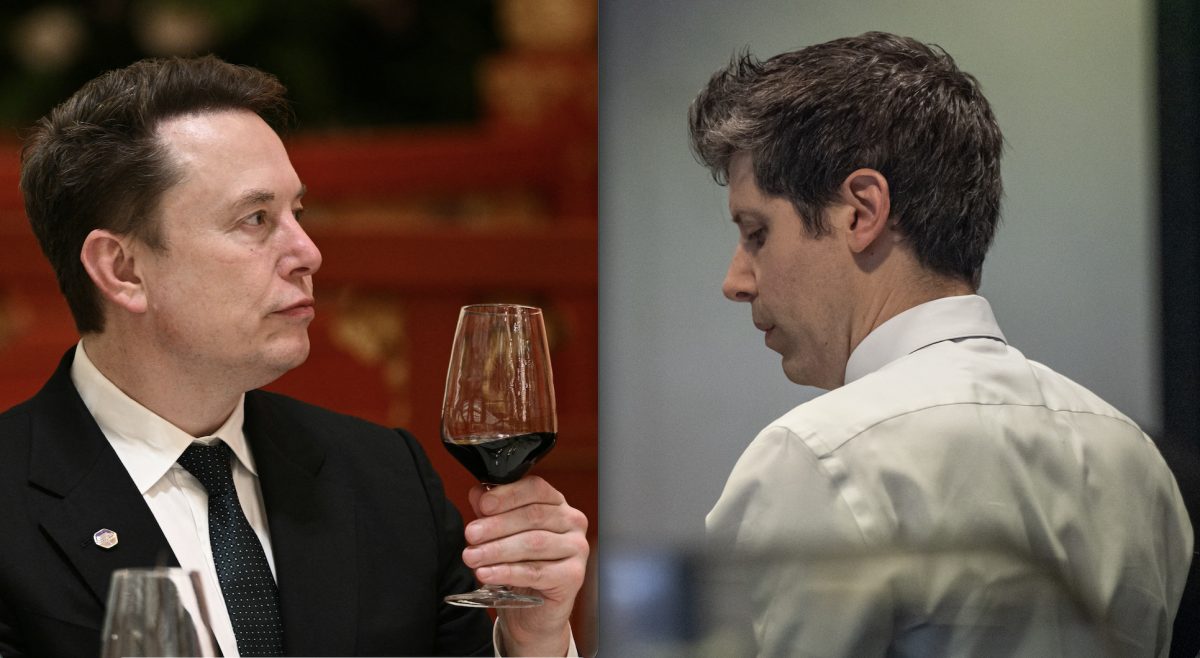

A jury in Oakland, California, has begun deliberations in the high-profile case of Elon Musk versus Sam Altman and other OpenAI executives. However, the final decision on the future of OpenAI rests with U.S. District Judge Yvonne Gonzalez Rogers, not with the nine-member jury. The trial, which has drawn intense scrutiny from the technology sector, is far from ordinary, according to legal observers.
The case centers on disputes over the control and direction of OpenAI, the artificial intelligence research organization that Musk co-founded but later left. Closing arguments concluded earlier this week in the federal courthouse. Judge Rogers has emphasized that she will rule on key structural issues regarding OpenAI’s governance, leaving the jury to address narrower factual claims.
Trial Background and Key Disputes
Musk’s legal team argued that Altman and other defendants breached fiduciary duties and improperly steered OpenAI away from its original nonprofit mission. The plaintiffs allege that OpenAI’s shift to a for-profit model and its close partnership with Microsoft violated the organization’s founding principles. The defendants countered that the changes were necessary to secure funding and remain competitive in the rapidly evolving AI industry.
The trial has featured testimony from prominent figures in the AI and technology sectors. Witnesses addressed OpenAI’s transition from a nonprofit to a capped-profit structure and the subsequent licensing agreements with Microsoft. Judge Rogers has noted that the case raises novel questions about corporate governance in AI organizations, which have no clear precedent in U.S. law.
Judge Gonzalez Rogers’ Role
Unlike most civil trials, where the jury decides both liability and damages, Judge Rogers has announced that she will make the final determination on the core governance dispute. This approach allows the court to issue a comprehensive ruling on OpenAI’s future structure, potentially setting a legal standard for other AI companies. The jury, meanwhile, will decide specific allegations of misrepresentation and breach of contract.
Legal analysts describe this bifurcated procedure as unusual but appropriate for a case involving complex corporate and technology law. The judge’s ruling is expected to address whether OpenAI must revert to a fully nonprofit model or whether its current hybrid structure can stand.
Implications for the AI Industry
The outcome of this trial could significantly influence how artificial intelligence organizations are structured and governed. A decision favoring Musk might force OpenAI and similar companies to prioritize transparency and nonprofit goals over commercial expansion. A ruling for Altman and the defendants would likely reinforce the trend toward for-profit AI development backed by large technology corporations.
Domain name and digital infrastructure observers note that the case also touches on issues of intellectual property and data control. The registration and management of web properties associated with AI projects could become part of broader regulatory discussions if the ruling imposes new governance requirements.
What Happens Next
Jury deliberations are expected to continue for several days, after which the judge will issue her own ruling on the central governance questions. Both sides have indicated they may appeal any adverse decision, which could extend the legal battle for months or years. Judge Rogers has not set a specific date for her ruling, but court schedules suggest a decision within two to four weeks.
Until the ruling is delivered, OpenAI’s operations continue under its current leadership and structure. Industry stakeholders, including domain registrars and hosting services, are monitoring the case closely for any changes that might affect the company’s web presence or digital assets. The trial marks a pivotal moment in the ongoing debate over accountability and control in the artificial intelligence sector.
For now, the technology world waits for Judge Rogers to deliver what could be a landmark decision shaping the future of AI governance.