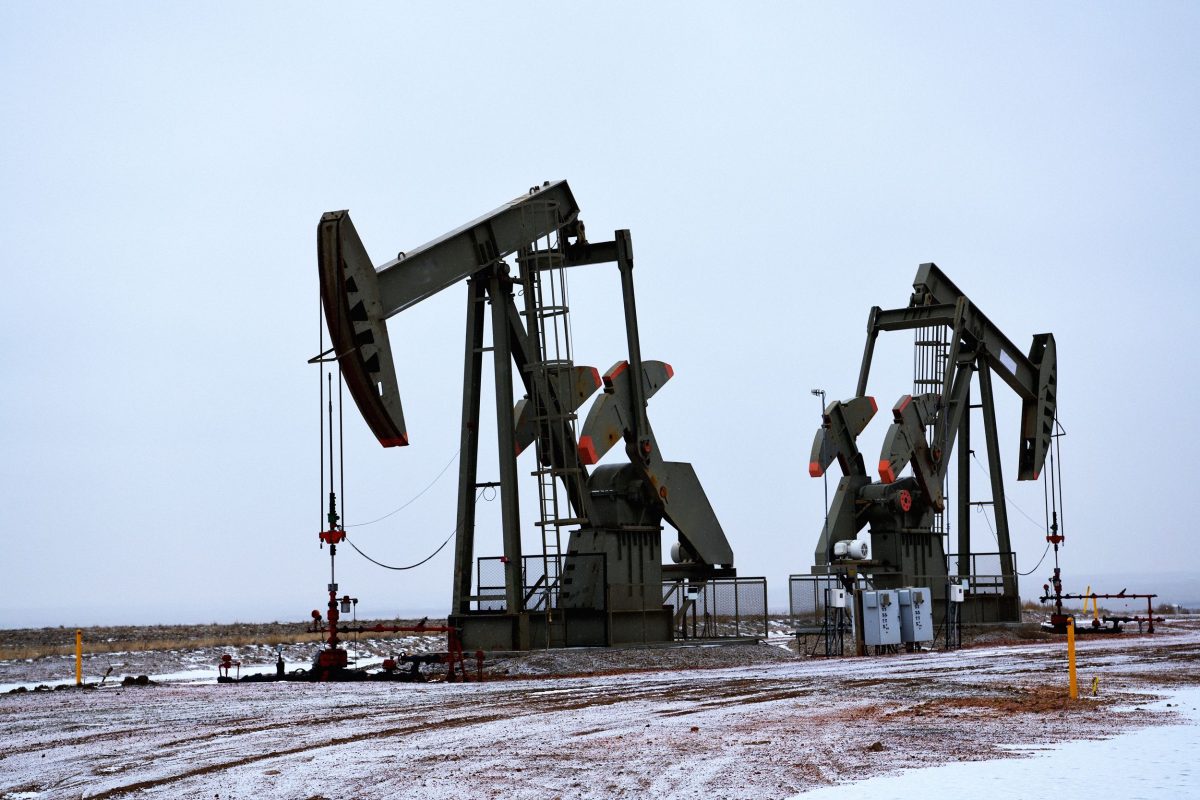

Across the United States, state agencies and energy companies are exploring a novel approach to environmental remediation: converting decommissioned oil and gas wells into sources of clean power. These idle wells, long considered environmental liabilities, may now play a role in the nation’s transition to renewable energy.
Background: The Scale of Idle Wells
The U.S. Environmental Protection Agency estimates that there are millions of abandoned oil and gas wells scattered across the country. Many of these wells continue to leak methane, a potent greenhouse gas, into the atmosphere. Plugging them has historically been a costly and slow process, often left to state regulatory programs with limited funding.
However, recent engineering advances are turning this environmental challenge into an opportunity. Retired wells can be repurposed for geothermal energy production, harnessing the Earth’s internal heat. In some cases, the existing wellbore infrastructure can be adapted to extract heat from underground rock formations, which is then used to generate electricity.
How the Conversion Process Works
Geothermal energy from repurposed wells typically involves circulating a fluid through the well to absorb heat from the surrounding rock. The heated fluid is then brought to the surface, where it drives a turbine connected to a generator. This process produces zero direct emissions and can provide baseload power, meaning it operates continuously regardless of weather conditions.
Another approach involves capturing methane that naturally migrates from old wells and using it to power small on-site generators. While this method still uses a fossil fuel, it prevents methane from escaping into the atmosphere, resulting in a net climate benefit compared to leaving the well unsealed.
Economic and Environmental Implications
States with extensive oil and gas histories, such as Texas, Pennsylvania, and Oklahoma, stand to benefit most from this repurposing strategy. The approach offers a dual advantage: it addresses the immediate environmental hazard of leaking wells while creating a new revenue stream from clean energy production.
Energy analysts note that repurposing existing wells significantly reduces the upfront capital costs typically associated with geothermal exploration. Drilling new geothermal wells can be prohibitively expensive, but using existing wellbores eliminates that major expense. This makes the economics more attractive for private investment and state-funded projects alike.
Regulatory and Technical Hurdles Remain
Despite the promise, challenges persist. Many abandoned wells lack accurate records regarding their depth, casing integrity, or geological conditions. This uncertainty makes it difficult to assess which wells are suitable for conversion. Additionally, the long-term performance of repurposed wells for geothermal energy is still being studied, with pilot projects only a few years old.
State regulators are also working to establish clear permitting frameworks for these dual-purpose projects. Traditional well plugging regulations were not designed to accommodate energy production, requiring new legal and safety guidelines.
Implications for Infrastructure and Funding
Federal infrastructure funding, including allocations from the Bipartisan Infrastructure Law, has provided new resources for well remediation. Some of these funds are now being directed toward pilot conversion projects. Private sector interest is also growing, as renewable energy investors seek ways to diversify beyond solar and wind.
The success of these early projects could determine whether the approach scales nationally. If demonstration projects prove commercially viable, states may incorporate well repurposing into their broader clean energy portfolios.
Expected Next Steps
Multiple pilot programs are expected to begin operations within the next 12 to 18 months. Researchers will monitor these projects for technical performance, environmental impact, and cost effectiveness. Depending on results, state legislatures could pass new incentives for well conversion, and the Department of Energy may expand its funding criteria to include repurposed well projects. A broader rollout could follow within three to five years if early data shows consistent, reliable energy output.