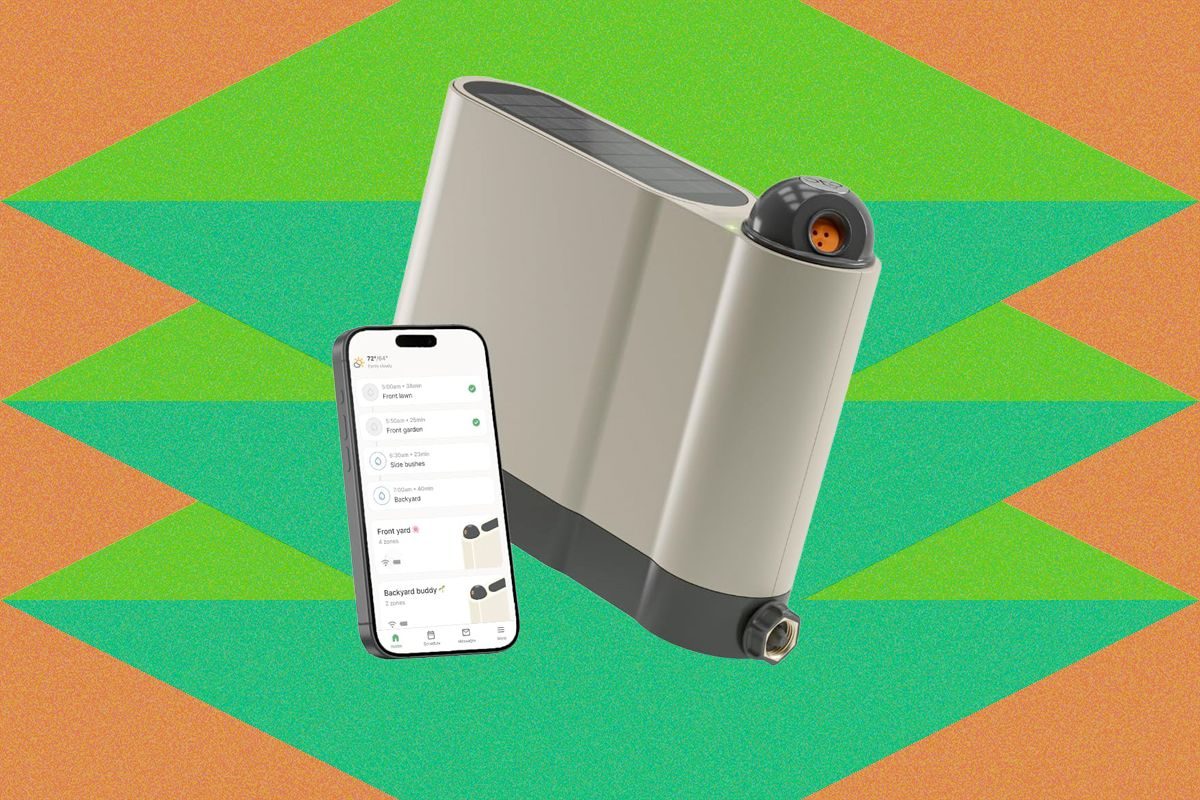

The Oto Smart Sprinkler, a device designed to automate lawn irrigation, entered the market with a focus on simplicity and renewable energy. Its core functionality relies on solar power, requiring a minimum of three hours of direct sunlight each day to maintain an operational charge. This feature positions it as an energy efficient alternative to traditional battery powered or wired systems.
For users in regions with consistent sunshine, the device offers a largely hands off watering schedule. The built-in solar panel allows the unit to recharge daily without manual intervention or the need to replace batteries. However, the system’s effectiveness is directly tied to its placement and local weather conditions.
Operational Requirements and Limitations
The sprinkler depends entirely on solar energy for both daily operation and long term battery health. In areas with limited direct sun exposure, such as shaded yards or during prolonged overcast periods, the device may not retain enough charge to function reliably. Users in these environments might experience interruptions in scheduled watering.
Manufacturer guidance recommends installing the unit so it receives full, unobstructed sun for at least three hours each day, ideally during peak sunlight hours. Compliance with this placement condition is critical for consistent performance. The device does not include a backup battery system for extended cloudy periods.
Ease of Use and Installation
The Oto Smart Sprinkler emphasizes user friendly setup, with a design intended to reduce the complexity often associated with smart irrigation systems. It connects to standard garden hoses and can be controlled through a companion mobile application, allowing users to set watering times and durations remotely.
The application interface provides basic scheduling tools, but lacks advanced features such as soil moisture sensing or integration with local weather data for automatic rain delay. This simplicity may appeal to homeowners seeking a straightforward watering solution rather than a fully adaptive system.
Implications for Smart Home Integration
As part of the growing trend toward solar powered outdoor devices, the Oto Smart Sprinkler highlights both the benefits and constraints of renewable energy in home automation. Its reliance on direct sunlight serves as a practical example of how solar technology can reduce energy consumption but also imposes geographic and seasonal limitations.
For consumers considering this product, evaluating the sun exposure of their yard throughout the year is essential. The device performs best in open, sunlit landscapes, making it less suitable for properties with heavy tree cover or northern facing gardens.
Industry observers note that future iterations of solar powered irrigation systems may incorporate hybrid power sources or improved energy storage to address current limitations. The Oto Smart Sprinkler represents an early step in this direction, balancing simplicity with renewable energy use.