
Google Search has undergone a fundamental shift that goes beyond typical algorithm updates. What many initially described as the end of an era is now widely recognized as a permanent structural change.
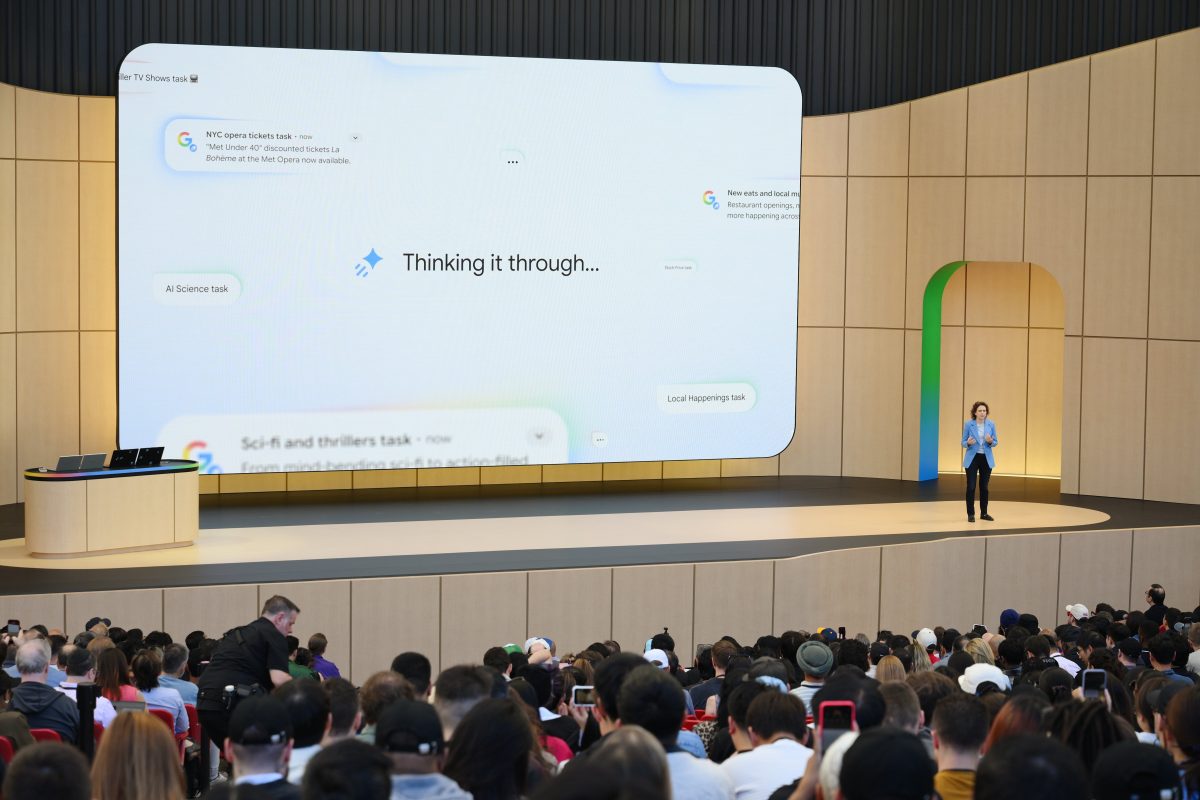
During the 2023 Google I/O event, the company introduced features that substantially altered how its search engine processes and presents information. At that time, industry observers noted that the Google Search users had known for two decades appeared to be fundamentally different.
One year later, that assessment has proven accurate. The search experience has not reverted to previous norms or integrated new features gradually. Instead, the core architecture of Google Search has been redesigned around different informational priorities.
Background of the shift
The transformation began with the integration of generative artificial intelligence into search results. Google launched its Search Generative Experience (SGE), which produces summarized answers directly within search result pages.
This change moves Google Search away from its traditional role as a link aggregator. Previously, users would receive a list of web page links and evaluate sources themselves. Now, Google provides synthesized responses that may reduce the need to click through to external websites.
For website owners, this shift has significant implications. Traffic patterns to many sites have changed because users find answers directly on the search results page. Publishers and content creators have had to adjust their strategies accordingly.
Reactions from the industry
Industry analysts have expressed mixed reactions to the changes. Some commend Google for innovating a platform that had remained relatively static for years. Others express concern about reduced traffic to independent sources and a potential centralization of information control.
Webmasters have reported fluctuations in organic search performance. Some niches have experienced declines of 30 to 50 percent in click through rates from search results.
Domain name registrars and hosting companies have noted that clients increasingly ask about search visibility and the long term viability of traditional search engine optimization tactics.
Implications for domain owners
For anyone who operates a website, these changes underscore the importance of building direct traffic channels. Relying exclusively on search engine visitors now carries greater risk.
Owning a memorable and brandable domain name has become more important as users increasingly remember and type URLs directly. A clear, short domain can help build a stable audience outside of search engines.
Companies like 4T Registrar have observed that domain registration inquiries often include questions about how to future proof a website against search algorithm changes.
Technical SEO still matters. Proper site structure, fast loading times, and clear content organization help search engines understand and rank pages. But the emphasis has shifted to creating content that answers user questions thoroughly and authoritatively.
Google has stated that it wants to prioritize content that demonstrates first hand experience and genuine expertise. This focus on Experience, Expertise, Authoritativeness, and Trustworthiness (E E A T) is not new, but it has become more central under the new system.
For businesses and content creators, this means investing in original research, case studies, and expert interviews rather than repackaging information from other sources.
What lies ahead
Google has not announced a timeline for fully rolling out the Search Generative Experience to all users globally. The feature currently remains optional for most users. However, the company has indicated that generative search represents the long term direction for the platform.
Future updates are expected to expand the types of queries that receive AI generated summaries. Google is also likely to refine how and when such summaries appear based on user feedback and performance data.
Third party tracking services continue to monitor how these changes affect web traffic distribution across different industries. Early data suggests that informational queries see the largest impact, while transactional and navigational queries remain relatively stable.
Website owners should prepare for additional changes as Google iterates on this new search model. Diversifying traffic sources, strengthening brand identity, and maintaining high quality original content are essential strategies for adapting to this permanently altered search landscape.