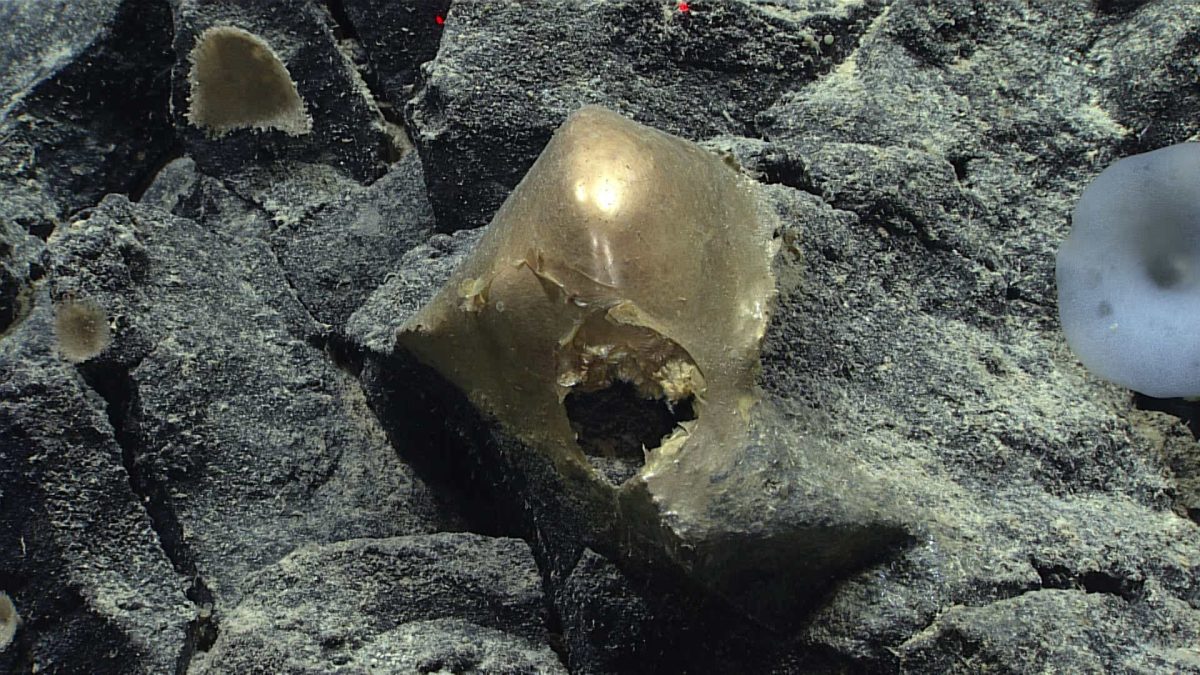

A smooth, shiny golden orb discovered on the ocean floor in the Gulf of Alaska has drawn international attention from marine biologists and the public alike. The object, which resembles a small sphere or a delicate egg casing, was located at a depth of roughly 3,300 meters during an expedition conducted by the National Oceanic and Atmospheric Administration (NOAA). Initial speculation that the orb might be an alien artifact has been dismissed by researchers, who now classify it as a biological remain of a poorly understood animal species.
Discovery and Initial Analysis
NOAA scientists piloting a remotely operated vehicle (ROV) observed the object attached to a rock in a deep-sea habitat known as the Gulf of Alaska seamounts. The ROVs cameras captured the substrate, the surrounding fauna, and the orb itself in high definition video. The samples collected were sent to a laboratory for DNA analysis and microscopic examination. Preliminary findings indicate a thin, organic membrane enclosing a viscous fluid, but no visible embryo or internal structure has been identified so far.
Identification Challenges
This specimen does not match any known egg case or cyst from recorded marine species. The golden coloration, smooth surface, and lack of a hardened shell differentiate it from common deep-sea invertebrate eggs. One possibility under review is that it could be the egg sac of an elusive skate or deep-sea squid species. Another hypothesis suggests it might be a type of sponge or a colonial organism that produces protective casings. Until genetic sequencing is completed, the exact taxonomic classification remains uncertain.
Broader Scientific Implications
The Gulf of Alaska region, particularly its seamount ecosystems, is among the least explored marine environments on Earth. Each deep-sea survey in these waters frequently yields previously undocumented species or structures. The golden orb discovery reinforces the importance of continued deep-ocean exploration for understanding biodiversity, life cycles, and evolutionary adaptations. It also highlights how little is known about reproduction and development in abyssal environments.
Ongoing Research and Next Steps
The specimen will undergo advanced genetic testing using polymerase chain reaction (PCR) technology to amplify any DNA present. Results are expected within several months. If the DNA matches a known species, it will confirm the origin. If no match is found, the orb may represent a new species or a previously unrecorded life stage of an existing organism. NOAA officials plan to publish the findings in a peer reviewed journal once all analyses are complete, providing a definitive scientific account of this mysterious ocean floor object.