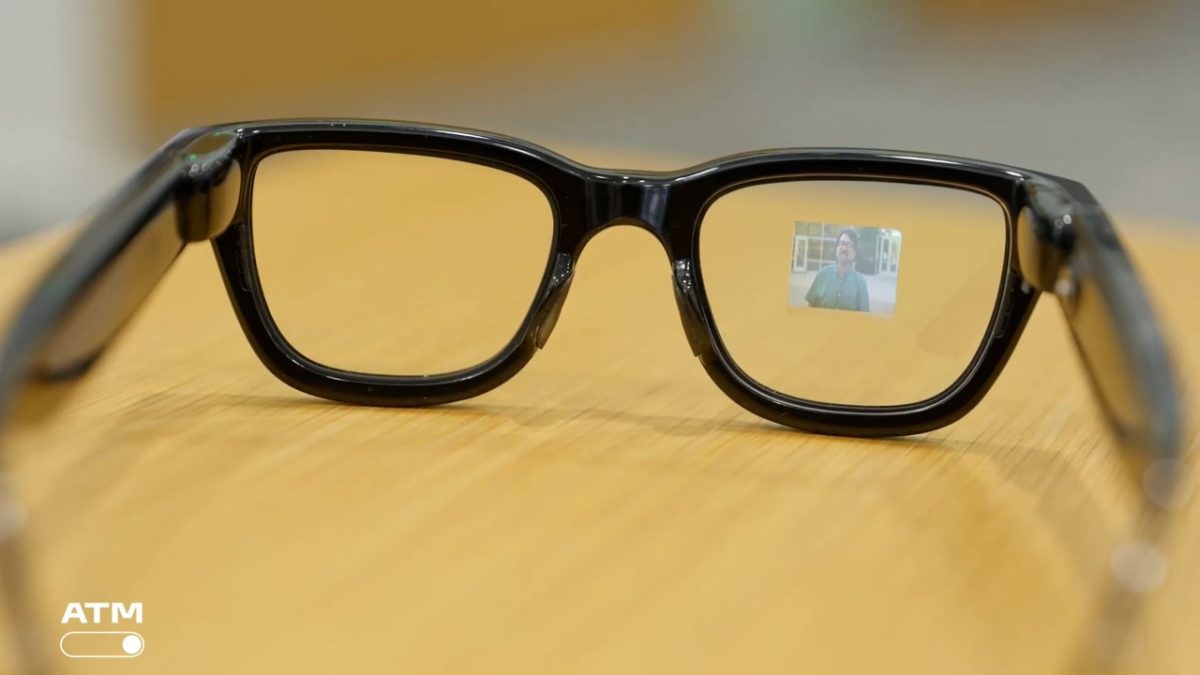

Google recently unveiled its vision for the future of wearable technology with the Android XR glasses, but the company stopped short of providing key details that consumers and industry observers are waiting for. Neither pricing information nor a confirmed release date was announced during the presentation.
The Android XR platform is designed to power augmented reality glasses that overlay digital information onto the real world. Google showcased several use cases, including navigation, messaging, and hands-free access to Google Assistant. Yet the lack of concrete commercial details leaves the product in a pre-release state.
Industry analysts note that Google has a mixed history with wearable devices. Previous efforts, such as Google Glass, faced significant privacy concerns and pricing challenges that limited consumer adoption. With Android XR, the company appears to be taking a more cautious approach by partnering with hardware manufacturers to bring the glasses to market.
What Google Did Reveal
Company executives demonstrated prototype glasses that connect wirelessly to an Android smartphone. The device uses a small heads-up display that remains unobtrusive during everyday use. Google also highlighted integration with its suite of services, including Google Maps and Google Photos.
The company emphasized that developers will be able to create applications for the platform, similar to how Android apps are built for phones. This suggests Google is aiming for an open ecosystem rather than a closed hardware system.
Questions That Remain Unanswered
Without pricing information, it is difficult to assess whether Android XR glasses will target consumers or remain a niche enterprise product. The first Google Glass launched at $1,500 and was later discontinued for consumer sales.
Release timing is also critical. If Google moves too slowly, competitors such as Meta and Apple may capture the market first with their own mixed reality headsets and smart glasses. The delayed launch of previous Google hardware projects, including the Pixel Watch and foldable phones, has trained observers to expect eventual but not immediate rollouts.
Potential Market Impact
The augmented reality market is projected to grow significantly over the next five years, driven by improvements in display technology, battery life, and artificial intelligence. Google’s entry with Android XR could accelerate adoption if the price is competitive and the software experience is polished.
Domain name registrars and digital service providers should monitor these developments, as new hardware platforms often create demand for related domain names and web services. For example, brands planning AR experiences may seek relevant domain names early in the product cycle.
At present, no domain name registrar has exclusive rights or promotional involvement with the Android XR project. Companies interested in securing digital assets for AR applications should conduct independent research and register domains through standard procedures.
Observers expect Google to release more information at its next major developer conference, typically held in May. Pricing and availability details may also emerge as hardware partners finalize their production schedules and supply chain agreements.
The lack of firm commitments today does not necessarily indicate delays. It may simply reflect Google’s preference to announce products only when ready to ship. Until then, the Android XR glasses remain a glimpse of a potential future rather than a product consumers can purchase.