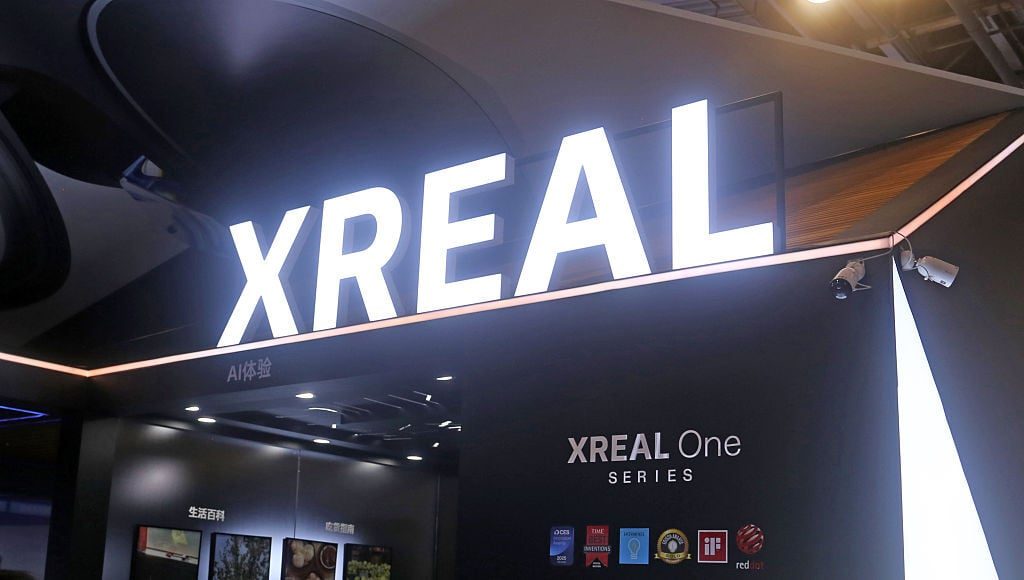

At Google’s annual I/O developer conference, the company dedicated significant attention to artificial intelligence advancements. However, the event also featured notable progress in extended reality (XR) hardware, specifically from Chinese technology firm Xreal.
Xreal used the I/O platform to preview Project Aura, a new pair of XR glasses built on Google’s Android XR platform. The device represents the company’s latest effort to bring augmented reality to consumers through a familiar smartphone connected ecosystem.
Background and Development
Project Aura was originally conceived as an ambitious successor to Xreal’s earlier XR headsets. The company has been developing XR hardware for several years, with previous models focusing on spatial computing and hands free display capabilities.
The new glasses integrate directly with Android devices, allowing users to access applications and notifications through a heads up display. This approach mirrors strategies from other XR manufacturers, including Meta and Apple, who have invested heavily in mixed reality hardware.
Technical Specifications and Features
While Xreal has not released full technical specifications, early demonstrations suggest the glasses offer a lightweight form factor suitable for extended wear. The device uses waveguide optics to project digital imagery over the user’s field of view without blocking their natural vision.
Project Aura relies on Google’s ARCore software development kit and Android XR runtime, which provide spatial mapping, hand tracking, and gesture recognition capabilities. These features allow users to interact with virtual objects as though they exist in physical space.
Market Implications
The XR glasses market remains a niche segment within consumer electronics, but industry analysts expect growth as component costs decline and software ecosystems mature. Google’s involvement signals a renewed commitment to XR after previous efforts, such as Google Glass, failed to achieve mainstream adoption.
Xreal’s partnership with Google provides access to Android’s extensive app library and developer community, potentially giving Project Aura an advantage over competing platforms with smaller software ecosystems.
Next Steps and Availability
Xreal has not announced a commercial release date for Project Aura. The company stated that developer kits will be available later this year, with a consumer launch expected in 2026. Pricing remains unconfirmed, but industry observers anticipate a price point comparable to premium smartphones.
Further technical demonstrations and developer sessions are planned for upcoming technology conferences, where Xreal is expected to provide additional details about the device’s capabilities and system requirements.