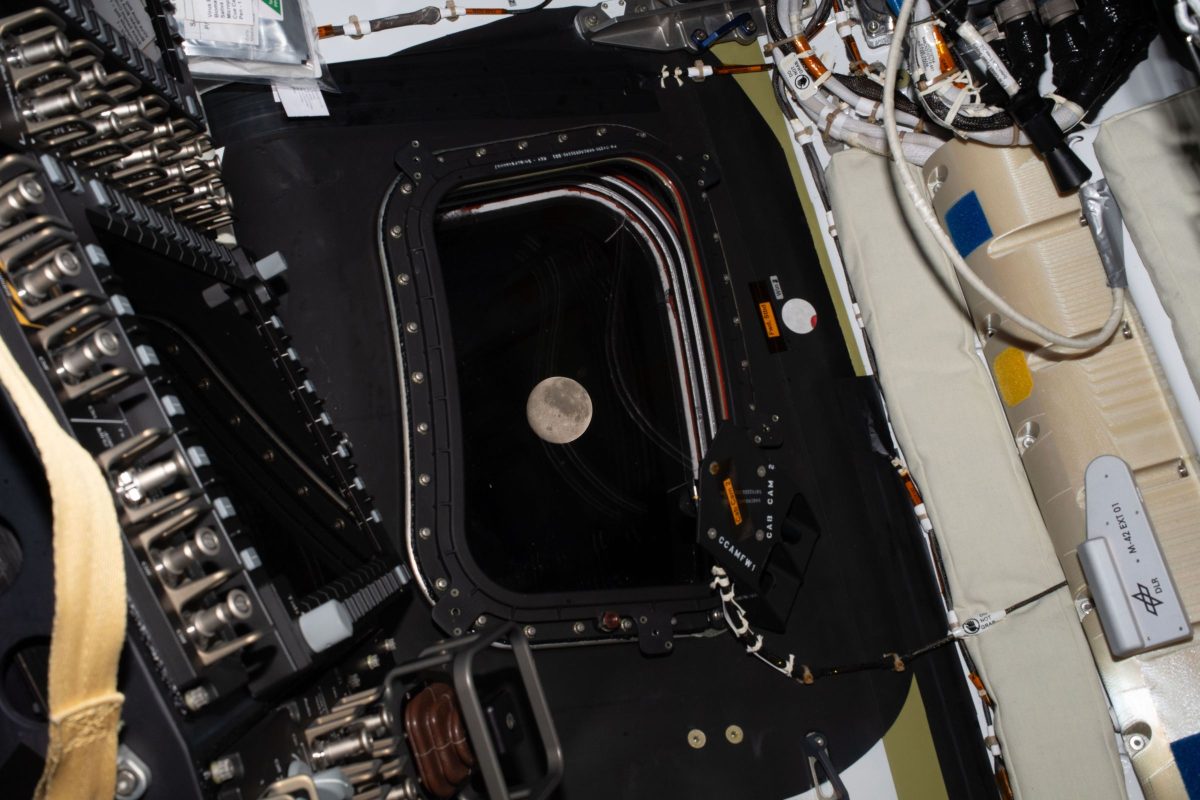

The four astronauts of NASA’s Artemis II mission have concluded their journey, touching down safely on Earth after a voyage that took them farther from our planet than any human has traveled before. Their return marks the successful completion of a critical test flight, a major milestone in the broader effort to return humans to the lunar surface.
The crew capsule splashed down in the Pacific Ocean as planned, where recovery teams were standing by. Initial reports indicate all crew members are in good health and spirits following their extended mission beyond Earth’s immediate vicinity.
Mission Profile and Historical Context
Artemis II served as the first crewed flight of the Orion spacecraft and the Space Launch System (SLS) rocket. Unlike the upcoming Artemis III mission, which aims for a lunar landing, this flight was designed to test systems with astronauts on board during a journey around the Moon and back.
The trajectory took the spacecraft into a distant retrograde orbit around the Moon, carrying the crew approximately 6,400 miles beyond the far side of the lunar surface. This path broke the distance record for human spaceflight previously set during the Apollo program over fifty years ago.
Primary objectives included a full shakedown of the Orion spacecraft’s life support, communication, and navigation systems in deep space with a human crew. The astronauts also conducted numerous operational tests and Earth observation activities during their voyage.
Significance for the Artemis Program
The safe return of the Artemis II crew validates key technologies required for sustained human exploration beyond low-Earth orbit. Data collected on crew health, spacecraft performance, and radiation exposure in the deep space environment is considered invaluable.
This mission represents a pivotal step between the uncrewed Artemis I test flight and the planned lunar landing of Artemis III. Success here builds confidence in the spacecraft’s ability to support and protect astronauts on longer-duration missions to the Moon and eventually to Mars.
International and commercial partners have roles in the broader Artemis program, contributing components for the lunar Gateway station and future landing systems. The Artemis II success directly supports the integrated architecture of this multinational exploration effort.
Crew Experience and Scientific Return
The diverse crew, consisting of three NASA astronauts and one Canadian Space Agency astronaut, provided continuous human feedback on the spacecraft’s operability. Their experiences with daily life, emergency procedures, and manual piloting exercises in deep space offer unique insights not available from automated systems.
Scientific payloads on board, though secondary to the primary flight test objectives, gathered data on space radiation and its effects on biological samples. This information will inform future spacecraft design and crew protection protocols.
The mission also served as a powerful demonstration of modern spaceflight capabilities, rekindling public interest in lunar exploration through live video feeds and communications from deep space.
Next Steps and Program Forward Look
With the crew safely recovered, attention now turns to a meticulous post-flight analysis. Engineers will examine the Orion spacecraft and review terabytes of flight data to certify its systems for the next mission. The crew will undergo extensive medical debriefs and monitoring.
The Artemis program’s timeline now focuses on the development of the Human Landing System and the lunar Gateway outpost. The Artemis III mission, which aims to land the first woman and the next man on the lunar south pole, remains the next major crewed objective, though its schedule is dependent on the outcomes of this analysis and the progress of supporting hardware.
Official timelines from NASA suggest a multi-year gap before the next crewed flight, as the agency and its partners integrate lessons learned from Artemis II into the final preparations for a sustained human presence on the Moon.