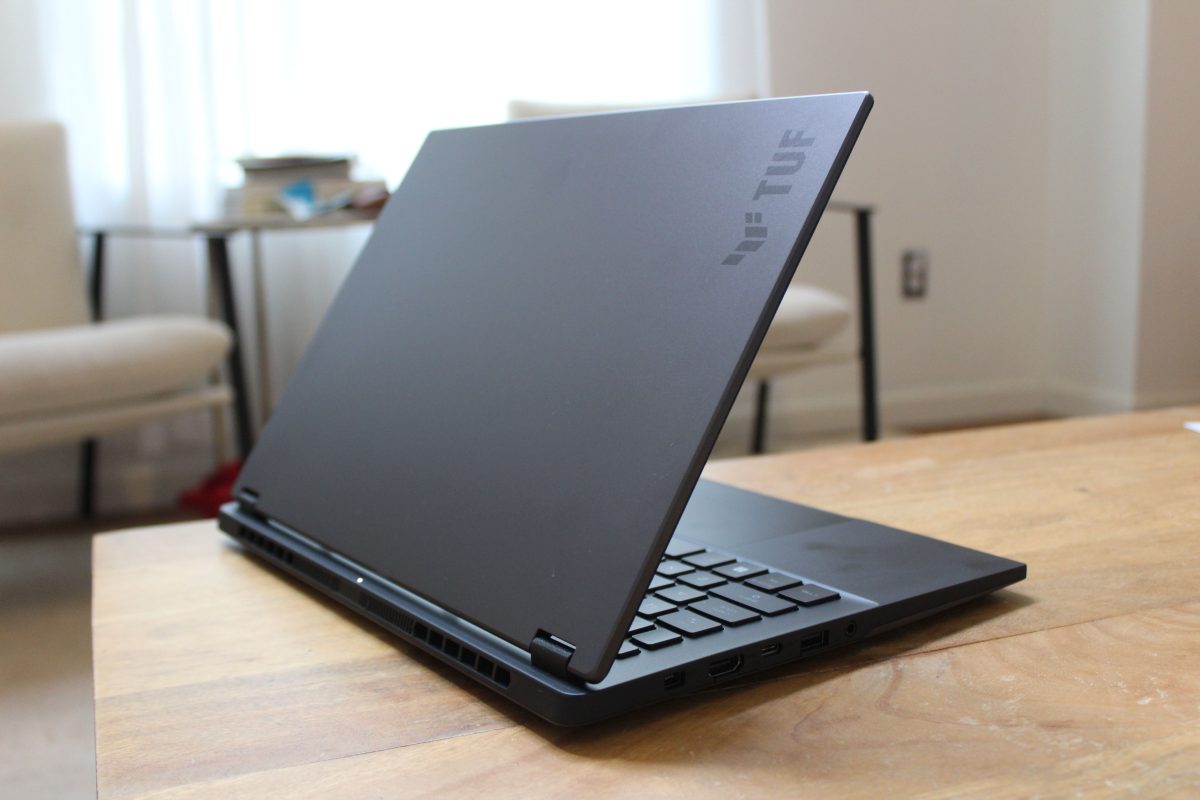

The recent release of the Asus TUF Gaming A14 (2026) represents a significant experiment in laptop design. This model challenges a core tenet of the gaming laptop market by forgoing a traditional discrete graphics processing unit (GPU). Instead, it relies entirely on the integrated graphics capabilities of AMD’s latest mobile processor architecture.
This approach is made possible by advancements in chiplet design and integrated graphics performance from AMD. The premise is to deliver competent gaming performance in a thinner, potentially more power-efficient, and less expensive form factor compared to systems with dedicated graphics cards.
Performance and Market Context
Initial analysis indicates that while the concept is technically sound, the execution in this specific model may not fully leverage the potential of the underlying silicon. The integrated graphics solution provides a baseline for gaming, handling esports titles and older games at lower to medium settings with acceptable frame rates.
However, for demanding AAA titles released in 2025 and 2026, the performance ceiling is notably lower than that of laptops equipped with even entry-level discrete GPUs. This creates a clear distinction in the target audience for the device.
The TUF Gaming A14 appears positioned for a specific segment of users. These are gamers whose primary interests lie in less graphically intensive games, or those who value portability and battery life over maximum graphical fidelity. It also serves as a capable general-purpose laptop for content consumption and productivity tasks.
Technical Implications and Industry Reaction
The move towards powerful integrated graphics is part of a broader industry trend of architectural convergence. Chip manufacturers are increasingly focusing on raising the performance floor of integrated solutions to cover a wider range of use cases.
This development has implications for system design, thermal management, and cost. Without a discrete GPU, laptops can be made slimmer and cooler, with potentially longer battery life during non-gaming tasks. The cost savings from omitting the secondary chip could be passed to consumers or reallocated to other components like faster system memory or storage.
Industry observers note that the success of such a model depends heavily on managing consumer expectations. Marketing a “gaming laptop” without a dedicated GPU requires clear communication about its performance tier to avoid disappointment among buyers expecting traditional gaming laptop capabilities.
The TUF Gaming A14’s build quality, display, and other features typical of the TUF series remain intact. These include a durable chassis, a high-refresh-rate screen, and a competent keyboard, all of which contribute to the gaming experience within the system’s graphical limits.
This release is seen as a testing of the waters by Asus. It provides valuable market data on the acceptance of GPU-less gaming laptops and the performance demands of a subset of gamers. The feedback will likely influence future product lines from Asus and other manufacturers.
Looking ahead, the evolution of this category will be closely tied to the pace of improvement in integrated graphics technology. As processor manufacturers like AMD and Intel continue to enhance their onboard graphics capabilities, the performance gap will narrow, making such designs more viable for a larger audience.
The Asus TUF Gaming A14 (2026) is ultimately a noteworthy step in laptop diversification. It does not seek to replace traditional gaming laptops but rather to carve out a new niche. Its market performance will be a key indicator of whether this niche has substantial demand.
Future iterations of this concept are expected as the underlying processor technology advances. Manufacturers may offer clearer segmentation, with “GPU-less” models defined as entry-point gaming devices or ultraportable gaming-capable machines, distinct from performance-focused rigs.