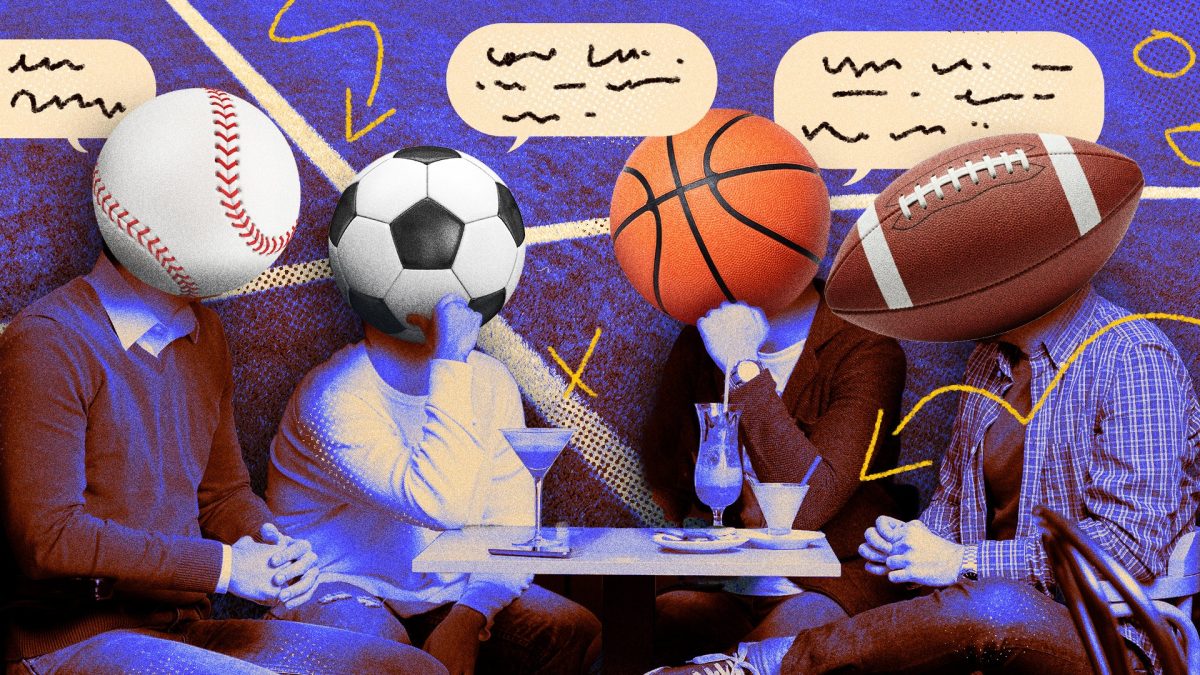

In the vast ecosystem of online sports discourse, a unique cultural phenomenon has taken root. It centers on a simple, yet deeply divisive question: who truly understands the game of basketball? This debate, often encapsulated by the phrase ‘Do you know ball?’, has evolved into a complex litmus test within digital fan communities.
The Genesis of a Digital Benchmark
The core of the debate involves referencing obscure or underappreciated players from basketball history. Names like Kosta Koufos, Sundiata Gaines, or Jamario Moon are not merely trivia. They serve as shibboleths. When such a name is introduced into an online conversation, the reaction is immediate and telling. The virtual room either ignites with recognition or falls silent in collective confusion.
This practice has moved beyond casual forums. It now represents a specific form of social capital on platforms like X, formerly Twitter, and various sports-focused communities. To correctly contextualize a deep-cut player’s value is to demonstrate a purist’s knowledge of the sport. It signifies an understanding that transcends mainstream narratives and box-score statistics.
Content Creators and Market Saturation
As with many internet-born trends, commercialization followed. A niche market emerged for content that caters to this specific, knowledge-hungry audience. Currently, three prominent basketball content creators are central figures in this space. Their stated mission is twofold: to formally define the parameters of this ‘flex’ and to prevent the market from becoming oversaturated with imitators.
Their work involves curating discussions, producing analytical media, and effectively gatekeeping what constitutes authentic, deep basketball knowledge. The concern is that as the trend gains popularity, its original meaning could be diluted by superficial engagement. This tension between niche authenticity and mainstream appeal is a common narrative in digital content creation.
The Mechanics of Online Credibility
The debate operates on several levels. On one level, it is about historical knowledge and the ability to evaluate role players and system fits. On another, it is a performance of identity. Claiming to ‘know ball’ is a way for fans and analysts to distinguish themselves from what they perceive as casual or narrative-driven commentary.
This creates a self-reinforcing cycle. As the benchmarks for proving knowledge become more esoteric, the barrier to entry rises. The conversation continually pushes deeper into basketball’s archival layers, seeking new examples to serve as tokens of expertise. This dynamic ensures the debate remains alive and constantly evolving.
Implications for Sports Media Landscape
The rise of this specific discourse reflects a broader shift in sports consumption. Audiences are increasingly fragmenting into specialized communities with their own languages and value systems. Traditional media metrics, like All-Star selections or championship rings, are no longer the sole currencies of basketball conversation.
Instead, a player’s impact in a specific defensive scheme, or their efficiency in a limited role, can become the cornerstone of their legacy within these digital circles. This represents a democratization of analysis, but also the creation of new, sometimes exclusionary, hierarchies of fandom.
The content creators shaping this space now operate at a critical juncture. Their influence determines whether ‘knowing ball’ remains a meaningful distinction or becomes a hollowed-out meme. Their strategies for content moderation and community definition will directly impact the trend’s longevity and integrity.
Looking ahead, the trajectory of this online debate will likely be determined by its interaction with the wider basketball world. If professional analysts, coaches, or players begin to engage with or acknowledge its specific parameters, the phenomenon could gain further legitimacy. Alternatively, it may remain a self-contained subculture, continually refining its own criteria for membership. The creators at its forefront are now tasked with navigating this path, balancing preservation with the inevitable pressures of growth and attention in the digital age.