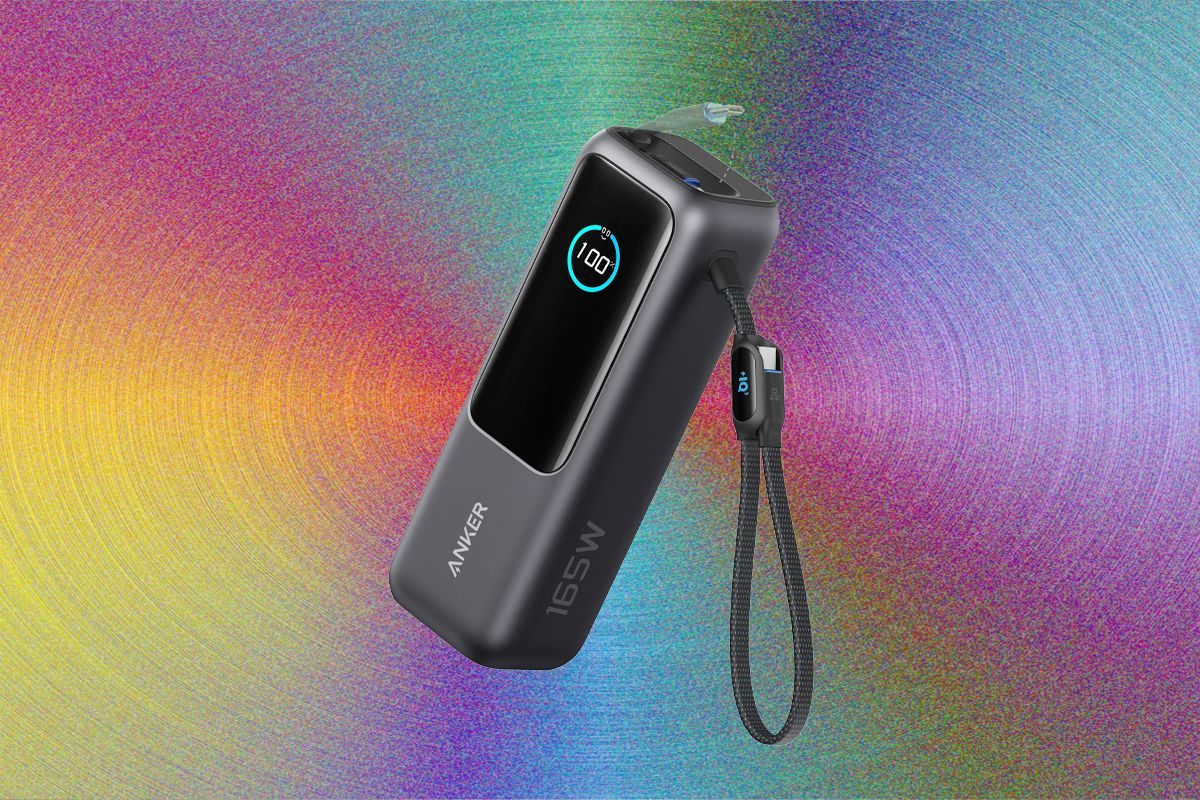

Consumer electronics continue to demand more energy, and portable power banks have become essential travel accessories. After evaluating more than 100 different models, a comprehensive assessment of the best power banks available in 2026 has been completed.
These devices are designed to keep smartphones, laptops, handheld gaming consoles, and other electronic equipment operational while on the move. The testing process focused on capacity, charging speed, build quality, and compatibility with a wide range of devices.
Testing Methodology and Selection Criteria
Each power bank was subjected to standardized discharge and recharge cycles under controlled laboratory conditions. Capacity was measured against manufacturer claims, with real-world performance often differing from advertised specifications.
Charging speeds were verified using both USB-C Power Delivery and Quick Charge protocols where applicable. Weight and portability were also weighed against total energy storage to determine practical travel suitability.
Top Performers Across Key Categories
Several models stood out for their balance of high capacity and compact form factor. Units with 20,000 mAh to 30,000 mAh capacity provided the most versatility for multi-device charging without excessive bulk.
Laptop users benefited from power banks supporting 45W to 100W output, enabling rapid charging for ultrabooks and some gaming notebooks. Pass-through charging capability, which allows the power bank to charge devices while being recharged itself, was a distinguishing feature among higher-end models.
Wireless charging pads integrated into some units offered convenience but generally delivered slower speeds than wired connections. For travelers, multiple input and output ports reduced the need for carrying separate cables.
Durability and Safety Certifications
Safety features such as overcharge protection, temperature control, and short-circuit prevention were standard across all recommended units. UL and CE certifications were verified for models sold in regulated markets.
Build materials ranged from hard plastic to aluminum alloy enclosures, with the latter providing better heat dissipation and structural durability. Some units also included built-in cables, which reduced the likelihood of forgetting a charging cord.
Implications for Frequent Travelers and Remote Workers
The rise of hybrid work and long-distance travel has increased reliance on portable power. A power bank that can fully recharge a laptop once or a smartphone multiple times is no longer a luxury but a practical necessity for professionals on the go.
Airline restrictions on lithium-ion batteries limit capacities to 100 watt-hours (approximately 27,000 mAh) for carry-on luggage without special approval. Most recommended models fall within this threshold, though travelers should verify airline policies before departure.
The 2026 market shows clear trends toward gallium nitride (GaN) technology in chargers, which allows for smaller power adapters and more efficient energy conversion. While GaN is more common in wall chargers, its integration into power banks is expected to increase in the coming years.
Looking ahead, further standardization of USB-C as a universal charging port will likely simplify compatibility. Industry observers anticipate that future power banks will incorporate higher energy density cells and smarter power distribution algorithms to optimize charging for multiple devices simultaneously.