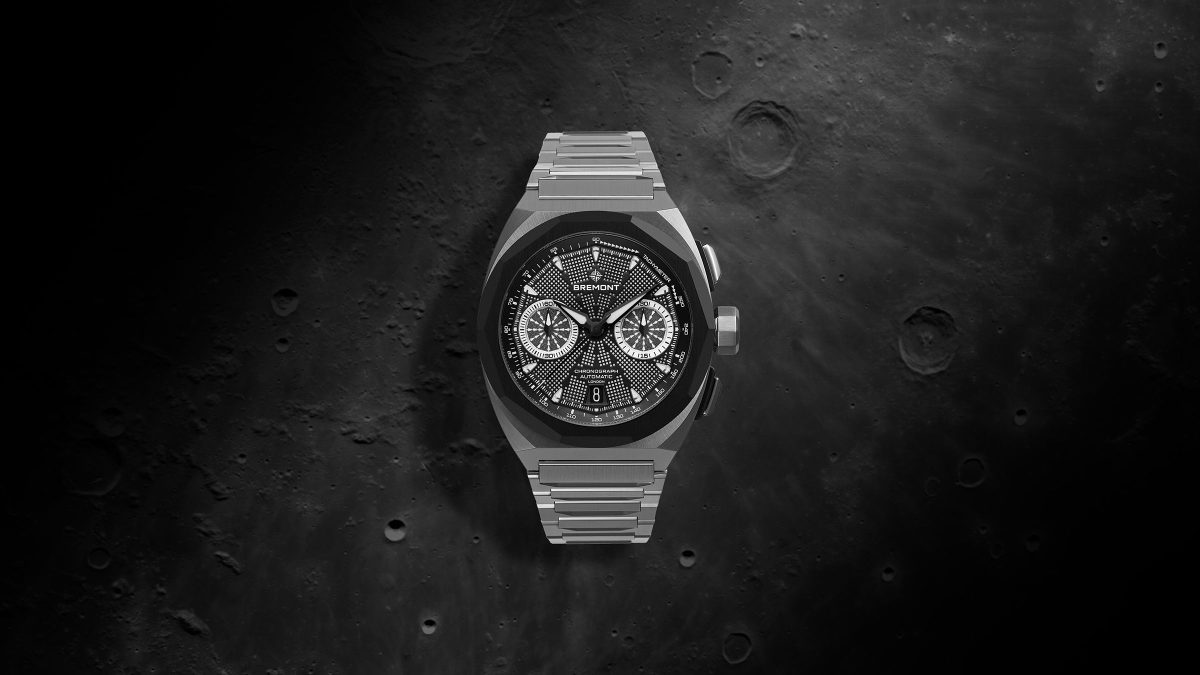

A precision timepiece from British watchmaker Bremont is scheduled to journey to the lunar surface later this year. The company’s Supernova chronograph will be integrated into the structure of a commercial lunar rover, marking a significant moment for horology and space exploration.
The watch will be mounted onto the chassis of the Flexible Logistics and Exploration (FLEX) rover, developed by the space robotics company Astrolab. This mission represents one of the first commercial payload deliveries to the Moon under NASA’s Commercial Lunar Payload Services (CLPS) initiative.
Technical Integration and Mission Profile
Engineering teams will securely attach the Bremont timepiece to the rover’s external framework. This placement subjects the watch to the extreme conditions of space travel and the lunar environment, including vacuum, radical temperature shifts, and radiation.
The FLEX rover is designed for versatility and is expected to support a range of scientific and commercial activities on the lunar surface. Its primary function will be to transport payloads and conduct terrain exploration, providing a mobile platform for various instruments.
Historical Context and Testing
While watches have been worn by astronauts in space since the earliest manned missions, this event is notable for involving a commercially available chronograph destined for the lunar regolith. The mission serves as a rigorous real-world test of the timepiece’s durability and precision under unparalleled stress.
Bremont has previously subjected its watches to testing in other extreme environments, but the lunar surface presents a unique combination of challenges. Success on this mission would provide tangible data on mechanical timekeeping in off-world conditions.
Implications for Precision Engineering
The inclusion of a mechanical watch on a lunar rover highlights ongoing interest in analog precision instruments alongside digital systems in space exploration. It raises questions about the long-term performance of lubricants, materials, and mechanical movements in a low-gravity, high-vacuum setting.
Observers in the aerospace and horological sectors will monitor the timepiece’s condition throughout the mission. Data regarding its performance could inform future designs for instruments intended for use in harsh extraterrestrial environments.
The Broader Lunar Exploration Landscape
This mission is part of a renewed, multi-national push for lunar exploration, largely driven by commercial partnerships. The CLPS program aims to foster a lunar economy by contracting private companies to deliver payloads, thereby reducing costs and accelerating the pace of missions.
Astrolab’s rover is one of several private vehicles being developed for lunar surface operations. The success of such missions is critical for establishing the infrastructure needed for sustained human presence on the Moon, as outlined by NASA’s Artemis program.
The upcoming launch and landing are dependent on final vehicle readiness, launch window availability, and regulatory approvals. Should all proceed according to plan, the Bremont Supernova will become one of the few wristwatches to have reached the Moon, and potentially the first commercial chronograph to operate on its surface.