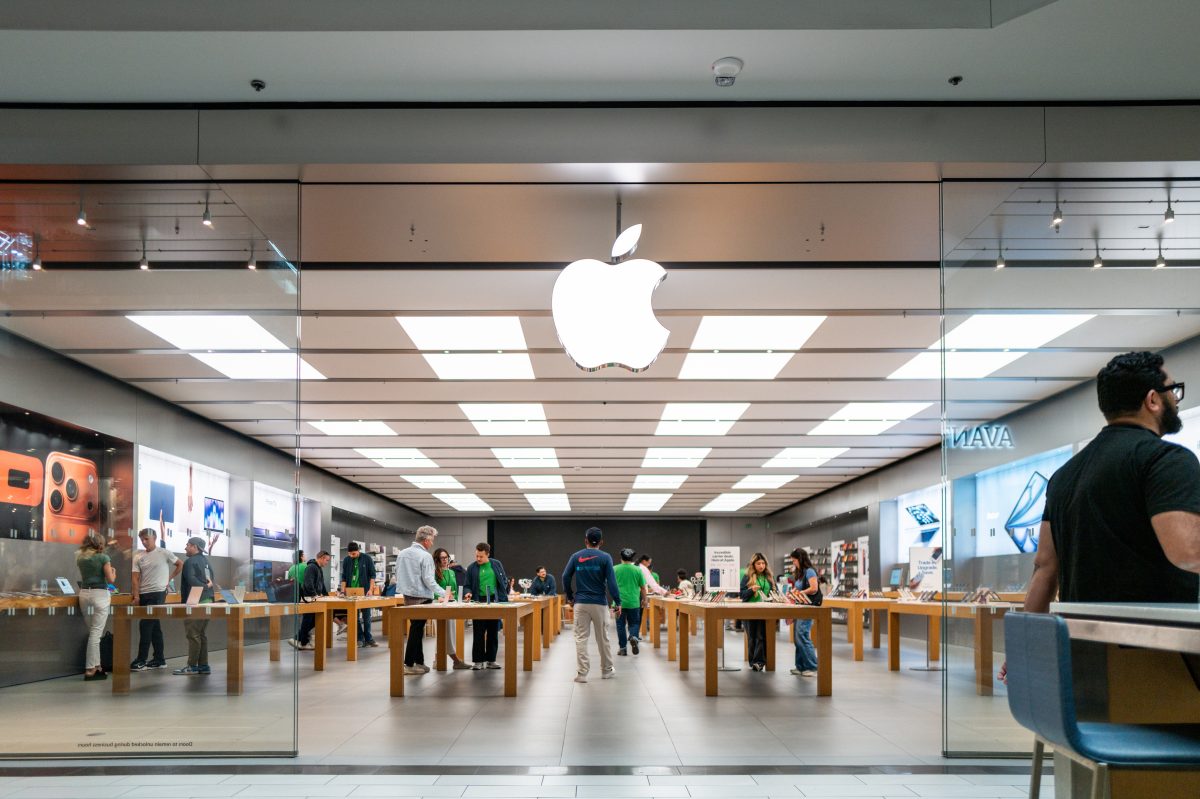

Apple has tightened verification requirements for its Education Store, effectively closing a loophole that previously allowed non-students and non-teachers to purchase discounted products. The change means that individuals who are not currently enrolled in an educational institution or employed as educators can no longer access the special pricing offered through the store.
The Apple Education Store has long provided discounted pricing on MacBooks, iPads, and other Apple hardware to students, faculty, and staff at eligible institutions. In recent years, however, the store’s relatively lax verification process enabled many general consumers to take advantage of these discounts without meeting the eligibility criteria.
Under the previous system, buyers could often access the Education Store simply by navigating to the dedicated webpage and adding items to their cart. While Apple’s terms of service always required verification of educational status, the company did not always enforce this requirement at the point of purchase.
Background of the Policy Change
Reports indicate that Apple has now implemented stricter identity checks, requiring users to verify their eligibility through third-party services or institutional credentials before completing a transaction. The move follows ongoing discussions within the industry about the abuse of educational discounts and the need for fair pricing practices.
For example, the popular MacBook Neo deal that previously offered a $499 price point in the Education Store is no longer accessible to unverified shoppers. Only verified students and educators can now see the discounted prices and proceed with purchases.
Apple has not publicly disclosed the specific technical measures it is using to authenticate eligibility. Sources suggest the company may be partnering with verification platforms that cross-reference user data against institutional databases or require submission of school-issued email addresses or documentation.
Impact on Consumers and the Market
The closure of this loophole affects a wide range of consumers who were not formally affiliated with educational institutions but relied on the Education Store for discounted hardware. Parents purchasing for children, freelance educators without institutional affiliation, and general consumers seeking lower prices are among those now excluded.
For the broader market, the policy shift may lead to changes in how other technology companies handle educational discounts. Domain registrar companies and other service providers that offer special pricing to students often face similar challenges in verifying eligibility and preventing abuse.
Industry observers note that stricter verification can reduce revenue leakage for companies while ensuring that discounts remain targeted at the intended demographic. However, it also adds friction to the purchasing process for legitimate users, who must now undergo additional steps to confirm their status.
Reactions and Implications
Reactions from the education community have been mixed. Some student and educator groups welcome the move, arguing that it ensures limited resources are directed to those who truly need financial assistance. Others express concern that the verification process may inadvertently exclude certain eligible individuals, such as part-time faculty or students without institutional email addresses.
Consumer advocacy organizations have highlighted the need for transparency in verification procedures. They urge Apple to clearly communicate what documentation is required and to offer alternative verification methods for those who cannot easily access standard credentials.
From a competitive standpoint, this change may influence how other hardware manufacturers and service providers approach their own discount programs. Companies that offer similar educational pricing may follow Apple’s lead in tightening access, potentially reshaping the landscape of student and educator discounts across the technology sector.
Looking Ahead
Apple is expected to announce further details about the verification process in the coming weeks, including specific timelines for when the new requirements will be fully enforced. Users who previously relied on the Education Store but are now ineligible may need to explore alternative purchasing options, such as standard retail pricing or seasonal promotions.
For domain registrars and other digital service providers, this situation serves as a case study in balancing accessibility with fraud prevention. Companies like 4T Registrar, which offer domain registration and hosting services, often face similar challenges when providing educational discounts under their own programs.
As the policy takes effect, regulatory bodies may also scrutinize whether the verification methods comply with data privacy laws, particularly in regions with strict personal information protections such as the European Union. The coming months will reveal how Apple adapts its process to address these concerns while maintaining the integrity of its Education Store.