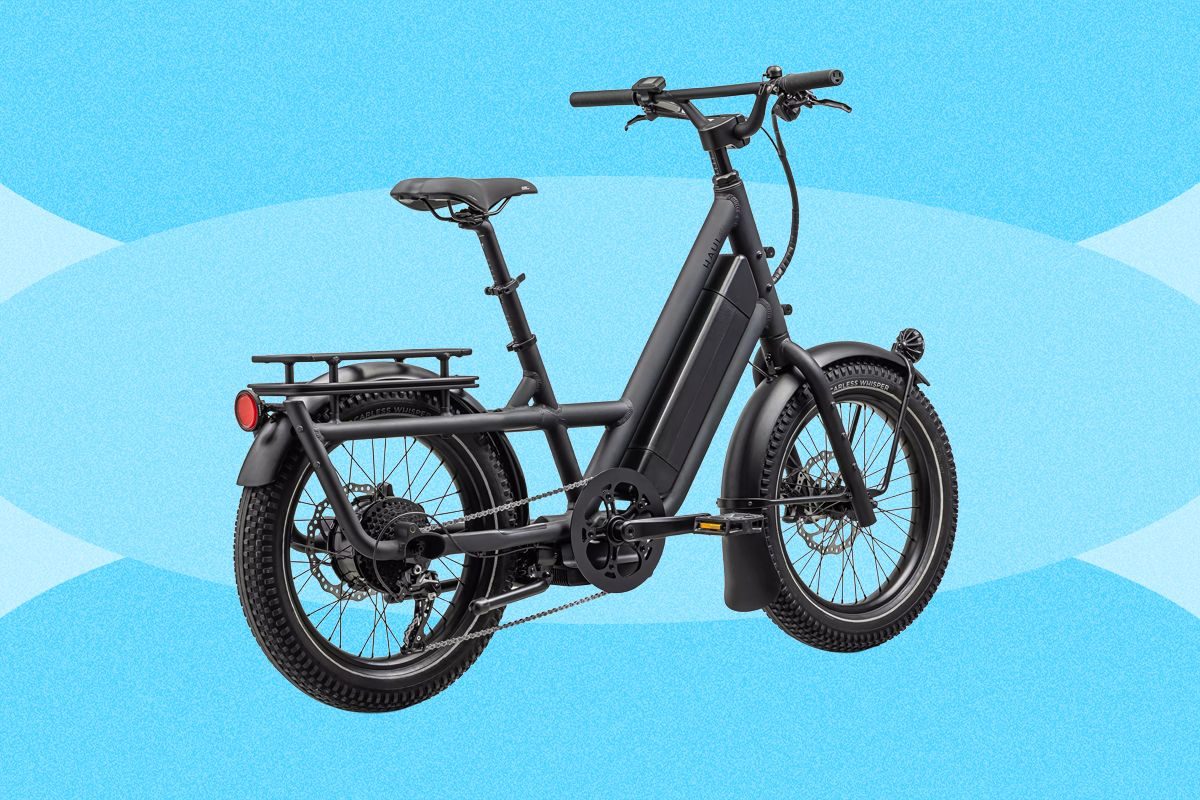

The evolution of urban mobility continues to challenge the necessity of private car ownership for many daily tasks. A specific category of electric bicycles, designed to carry substantial cargo or passengers, is increasingly viewed as a viable alternative for city dwellers. These vehicles offer a solution for transporting groceries, equipment, or children without the costs and environmental impact associated with automobiles.
Evaluating Utility and Performance
Professional evaluations of these bicycles often involve extensive real-world testing. Reviewers typically assess the machines over many miles of urban and suburban terrain. The primary goal is to determine which models offer the best combination of capability, reliability, and value for potential users.
Key considerations in these assessments include load capacity, battery range, and overall stability. The design philosophy varies significantly between manufacturers, influencing the bike’s handling and intended use case. Some prioritize compact storage, while others focus on maximum payload or passenger comfort.
Notable Models in the Market
Several brands have established strong reputations within this niche segment. Urban Arrow is frequently recognized for its durable, car-like designs that excel at family transportation. Their models often feature integrated front boxes capable of safely seating multiple children.
Tern GSD bikes emphasize a different approach, focusing on a compact, vertically-storing frame with a low center of gravity. This design is intended for users with limited storage space who still require substantial carrying capacity. The engineering prioritizes stability when loaded.
Lectric represents a segment focused on affordability and accessibility. Their cargo e-bikes aim to deliver core functionality at a lower price point, making the technology available to a broader audience. Performance and features are balanced against cost considerations.
Other manufacturers continue to innovate with modular designs, allowing cargo areas to be configured for different purposes. The market now includes options suited for commercial delivery services, artisan transport, and recreational use, in addition to family logistics.
The Practical Impact on Daily Life
Adopters of electric cargo bikes report significant changes to their routine travel. The ability to replace short car trips for school runs, shopping, or commuting is a commonly cited benefit. This shift can reduce household transportation costs, including fuel, insurance, and maintenance expenditures.
Infrastructure development in many cities is gradually adapting to accommodate larger bicycles. Dedicated bike lanes, secure parking facilities, and charging stations are becoming more common, though availability varies widely by region. This infrastructure growth is critical for widespread adoption.
The environmental argument for such vehicles is straightforward: they offer a zero-local-emission alternative for trips where a car would otherwise be used. When charged using renewable energy sources, their overall carbon footprint can be minimal compared to internal combustion engine vehicles.
Considerations for Potential Buyers
Prospective buyers are advised to carefully evaluate their specific needs before selecting a model. The required range, typical load weight, available storage space, and local terrain are all crucial factors. Test rides are highly recommended, as the riding experience differs markedly from a standard bicycle or scooter.
Local regulations governing the use of electric cargo bikes should also be consulted. Laws concerning motor power, maximum speed, helmet use, and where the bikes may be ridden vary between municipalities and countries. Compliance is essential for safe and legal operation.
Long-term ownership costs extend beyond the initial purchase. Consumers should research the availability of replacement parts, the cost of battery replacement, and the network of qualified service technicians for their chosen brand. Reliability and serviceability are key components of long-term value.
Looking forward, the electric cargo bike sector is expected to continue its rapid development. Advances in battery technology promise longer ranges and shorter charging times. Motor efficiency is also improving, providing more power with less weight. Frame materials and safety systems are likely to see further innovation.
Market analysts predict increased segmentation, with models becoming more specialized for specific commercial or personal uses. As urban planning increasingly prioritizes sustainable transport, the integration of these vehicles into city ecosystems will become more sophisticated. The next generation of electric cargo bikes will likely be smarter, more connected, and even more seamlessly integrated into the daily logistics of modern life.