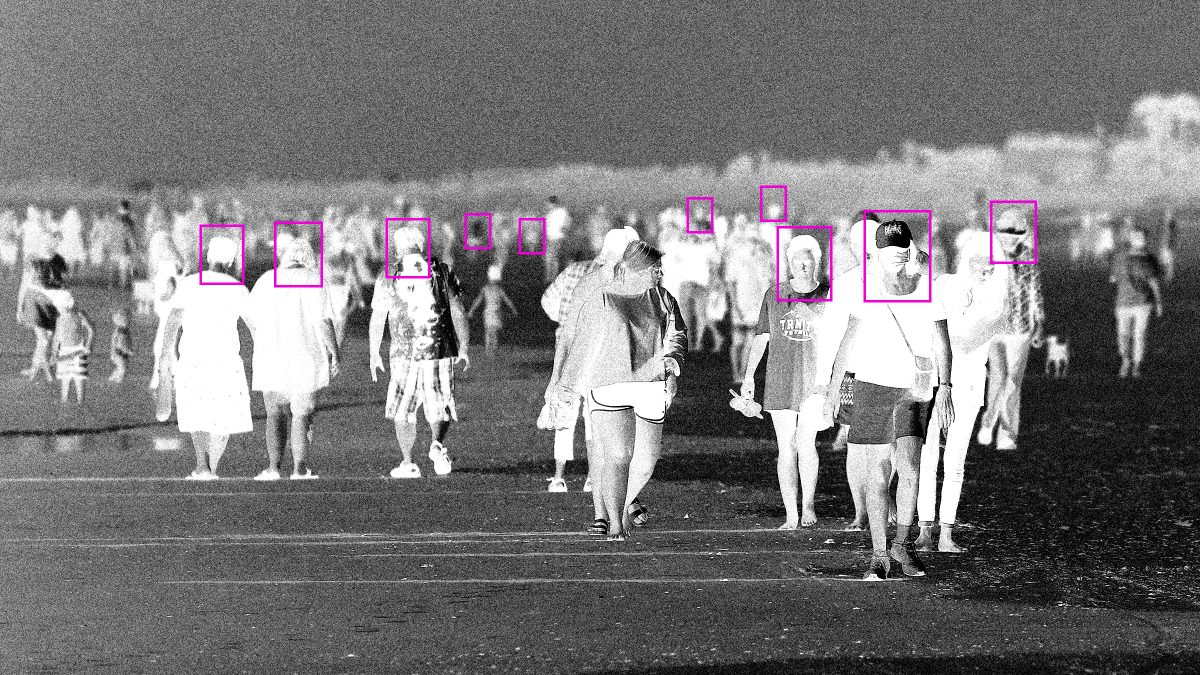

The American Civil Liberties Union has filed a lawsuit against two police departments in Florida following the wrongful arrest of a man in Fort Myers. The case involves a child abduction investigation in which officers relied heavily on a flawed facial recognition match.
The lawsuit argues that law enforcement treated the automated match as a near certain identification. This approach led to the detention of an innocent individual, raising serious questions about the reliability of biometric surveillance tools.
The technology in question is one of the oldest facial recognition systems still used by U.S. police agencies. Despite its long history of deployment, the system has been criticized for inaccuracies, particularly when matching faces of people of color.
Background of the Case
In 2023, Fort Myers police received an alert from the facial recognition system identifying a man as a suspect in a child abduction case. The man was arrested and held before investigators realized the match was incorrect.
The ACLU contends that officers did not verify the match through independent means. Instead, they treated the algorithm’s output as conclusive evidence, bypassing standard investigative procedures.
According to court documents, the real suspect was later identified through other methods. The wrongfully arrested man was released without charges, but the incident left lasting personal and reputational harm.
Broader Implications for Policing
This case adds to a growing body of evidence that facial recognition technology can produce false positives. Studies have shown that such systems often perform poorly on non white faces, leading to disproportionate misidentification rates.
Critics argue that police departments adopt these tools without adequate oversight or accuracy testing. The ACLU’s lawsuit seeks to establish legal standards for how such evidence should be used in criminal investigations.
Legal experts note that the Fourth Amendment protection against unreasonable searches may apply when biometric data is matched against surveillance databases. The outcome of this case could influence future regulations around digital identification.
Technical Limitations of Older Systems
The facial recognition tool used by Fort Myers police is one of the earliest commercial systems deployed in the United States. It relies on older algorithms that were not trained on diverse data sets.
Modern facial recognition software has improved accuracy rates, but legacy systems remain in use due to budget constraints and slow procurement cycles. These outdated tools often fail to account for variations in lighting, angle, and facial expression.
The mismatch in this case may have been caused by the system’s inability to distinguish between two individuals with similar facial features. Such errors are more common when the database contains low quality images.
Next Steps in the Legal Process
The ACLU has requested a court order requiring the two police departments to revise their facial recognition policies. The lawsuit also seeks damages for the wrongfully arrested individual.
A hearing is expected within the next three months, though no specific date has been set. The police departments have not yet filed a formal response to the complaint.
If the case proceeds, it could set a precedent for how courts evaluate the admissibility of facial recognition matches as evidence. Legal observers will be watching to see whether the judge imposes stricter verification requirements.
In the meantime, the ACLU has called for a moratorium on the use of facial recognition in law enforcement until national standards are established. Several cities have already banned or restricted the technology pending further review.