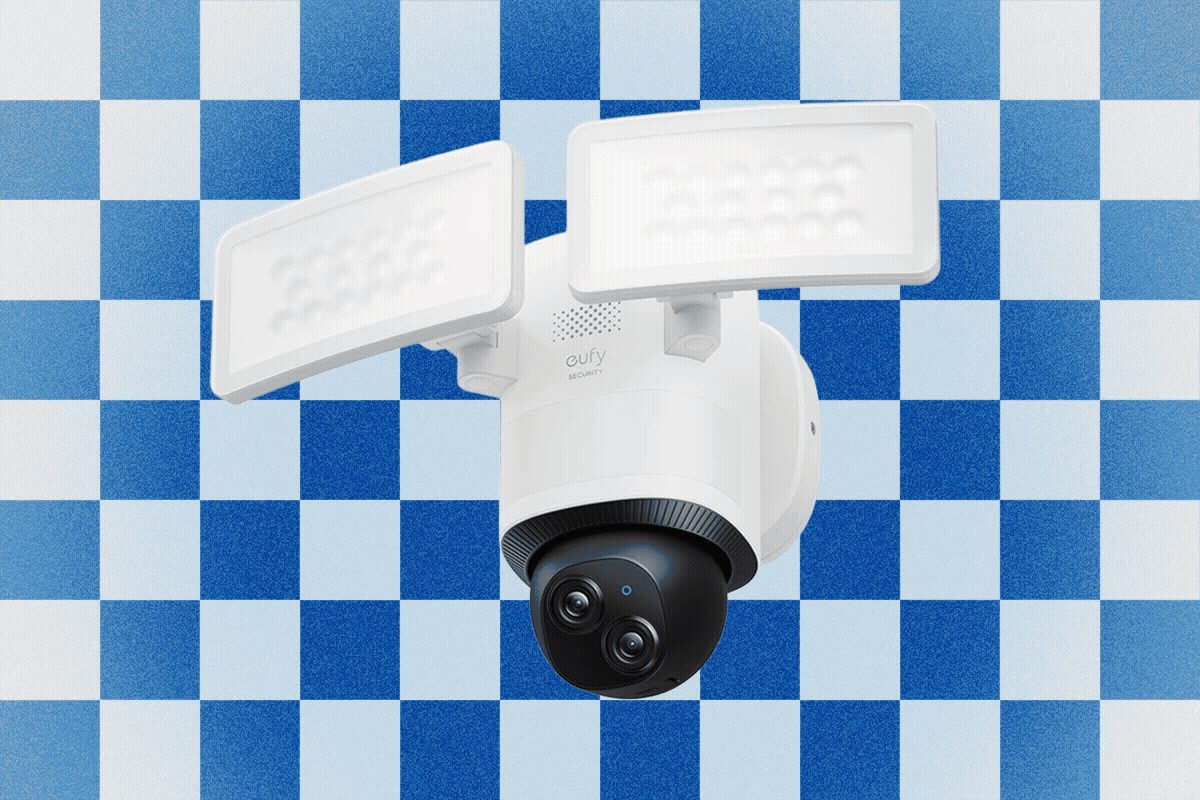

Home security technology continues to evolve, and floodlight security cameras have become a standard solution for illuminating and monitoring driveways, backyards, and porches. These devices combine bright lighting with video surveillance, offering homeowners a single unit that deters intruders and records activity.
After extensive testing of multiple models available in early 2026, four floodlight security cameras stand out for their performance, reliability, and features. The evaluations focused on image quality, motion detection accuracy, lighting brightness, durability, and ease of installation.
Test Methodology and Key Criteria
Each camera was installed in residential settings with varying light conditions and weather exposure. Tests measured video resolution during day and night, field of view, response time of motion alerts, and the effectiveness of built-in floodlights.
Durability was assessed by exposing units to rain, wind, and direct sunlight for several weeks. Connectivity stability and mobile app performance were also reviewed across different network environments.
Top Performing Floodlight Cameras
The first recommended model features 2K resolution with color night vision and a 270 degree field of view. Its floodlight provides 3,000 lumens, adjustable via the companion app. Motion detection uses both passive infrared and radar sensors, reducing false alarms from animals or passing cars.
Another strong contender offers 4K ultra high definition recording and a 360 degree pan tilt motor. This unit includes two way audio and a siren that activates upon detected threats. The floodlight reaches 4,000 lumens and integrates with smart home systems.
A third camera prioritizes solar powered operation, eliminating the need for hardwiring. It records in 1080p and uses a rechargeable battery with backup. The motion activated light achieves 1,500 lumens and adjusts brightness based on ambient conditions.
The fourth option is a budget friendly unit with 1080p resolution and a 160 degree viewing angle. It offers 2,000 lumens of light and supports local microSD storage in addition to cloud subscriptions. Installation requires standard junction box wiring.
Comparative Analysis
Higher resolution models with wider fields of view generally performed better in identifying faces and license plates at distances. The 4K version provided the clearest details but required stronger Wi Fi signal due to higher data throughput.
Solar powered units offered greater installation flexibility but had shorter recording periods in low sunlight. Wired models consistently maintained full functionality regardless of weather or battery levels.
Motion detection varied significantly among cameras. Models using dual sensor technology reduced false triggers by up to 60 percent compared to single sensor units. App responsiveness ranged from one to three seconds across tested devices.
Installation and Setup
Installation difficulty ranged from simple screw mount for solar units to basic electrical work for wired models. Most cameras required connection to a 120V junction box, while battery powered versions needed only mounting screws and access for charging.
All tested cameras provided multilingual setup guides and mobile app instructions. Average installation time was 30 minutes for wired models and 15 minutes for wireless units.
Future Developments and Considerations
The floodlight security camera market is expected to see wider adoption of artificial intelligence for person and vehicle recognition, reducing reliance on cloud based analysis. Manufacturers are also developing models with higher lumen outputs and improved weather sealing for extreme climates.
Updated connectivity standards, including Wi Fi 7 support, may become common by late 2026, enhancing streaming reliability for ultra high resolution feeds. Homeowners should consider their property’s lighting needs, network infrastructure, and local climate when selecting a floodlight camera.