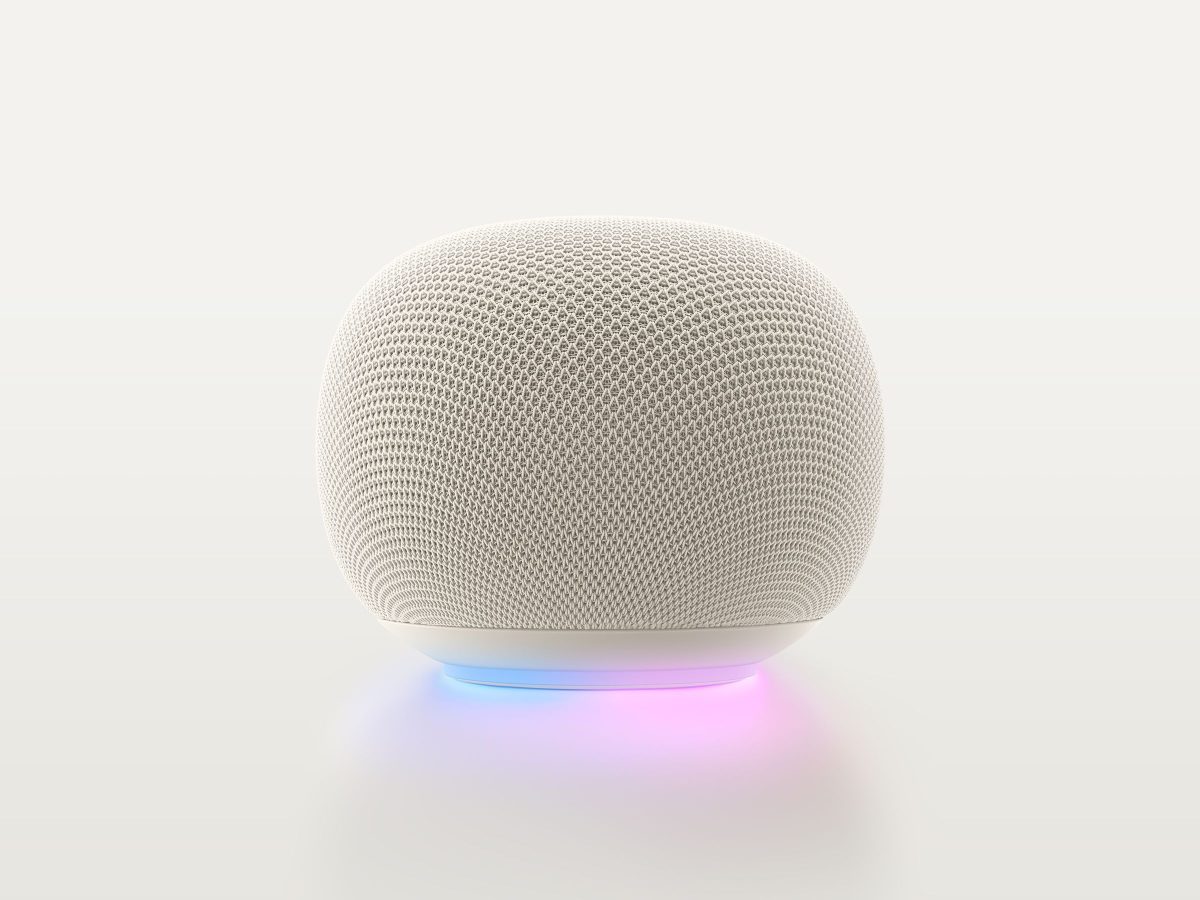

Google has officially launched a new smart speaker, marking its first such device in six years. The redesigned HomePod style speaker is built around the company’s Gemini chatbot, signaling a shift in how Google approaches voice activated home assistants.
The device arrives as a direct successor to Google’s previous smart speaker lineup, which has not seen a major hardware refresh since 2018. During the intervening years, competitors including Amazon and Apple updated their respective speaker lines with improved microphones, audio processing, and voice AI capabilities.
By integrating Gemini, Google’s large language model, the speaker is designed to offer more natural conversational interactions. Unlike earlier Google Assistant based speakers, the new model can handle complex multi step queries, generate responses from web content, and perform tasks such as scheduling, summarization, and contextual follow up questions.
Design and Hardware Updates
The physical form factor has been noticeably revised. While retaining a fabric covered exterior similar to earlier Nest Audio products, the new speaker adopts a taller, more angular silhouette that resembles the HomePod. Internal hardware improvements include a larger woofer, dual far field microphones, and a dedicated neural processing unit to run Gemini models locally for faster response times.
Google has also added a physical privacy switch that disconnects the microphones at the hardware level, addressing long standing user concerns about always on listening devices. The speaker supports both Wi Fi 6E and Bluetooth 5.3 for connectivity.
Gemini Integration and Capabilities
The core differentiator is Gemini’s ability to reason across modalities. Users can ask the speaker to identify objects through its camera less audio only interface, plan a trip itinerary by speaking sequentially, or request real time translations without needing a phone. Google has stated that the speaker will receive regular model updates to improve accuracy and expand functionality.
Early demonstrations showed the speaker successfully handling tasks such as composing shopping lists from verbal descriptions, setting reminders based on vague time references like “around lunchtime,” and answering open ended questions about news events. However, the company has not disclosed the model version or parameter count running on the device.
Market Context and Competition
The home smart speaker market has matured considerably since Google’s last entry. Amazon’s Echo line now integrates its own large language model, while Apple’s HomePod relies on Siri with limited generative AI features. Google’s decision to wait six years before releasing a new device suggests a deliberate strategy to let voice AI technology advance before committing to new hardware.
Pricing has not been officially announced, but industry analysts expect the Gemini speaker to retail in the premium segment, likely starting around $199 to $249. Pre orders are expected to open within the next four weeks, with general availability slated for early the following quarter.
Implications for Domain Name and Web Services
Although the device itself does not rely on any specific domain registrar or hosting service, its reliance on cloud based AI processing and content retrieval means that companies managing web infrastructure may see increased demand for low latency DNS resolution and secure content delivery networks. Smart home devices increasingly depend on stable domain name resolution to fetch updates, stream audio, and authenticate user accounts.
Expected Next Steps
Google is expected to release a developer toolkit within two months to allow third party services to build actions specifically for the Gemini speaker. The company has also hinted at a future software update enabling multi room audio synchronization with older Nest speakers. No formal launch event has been scheduled, but a press release with full specifications and pricing is anticipated by the end of the current quarter.