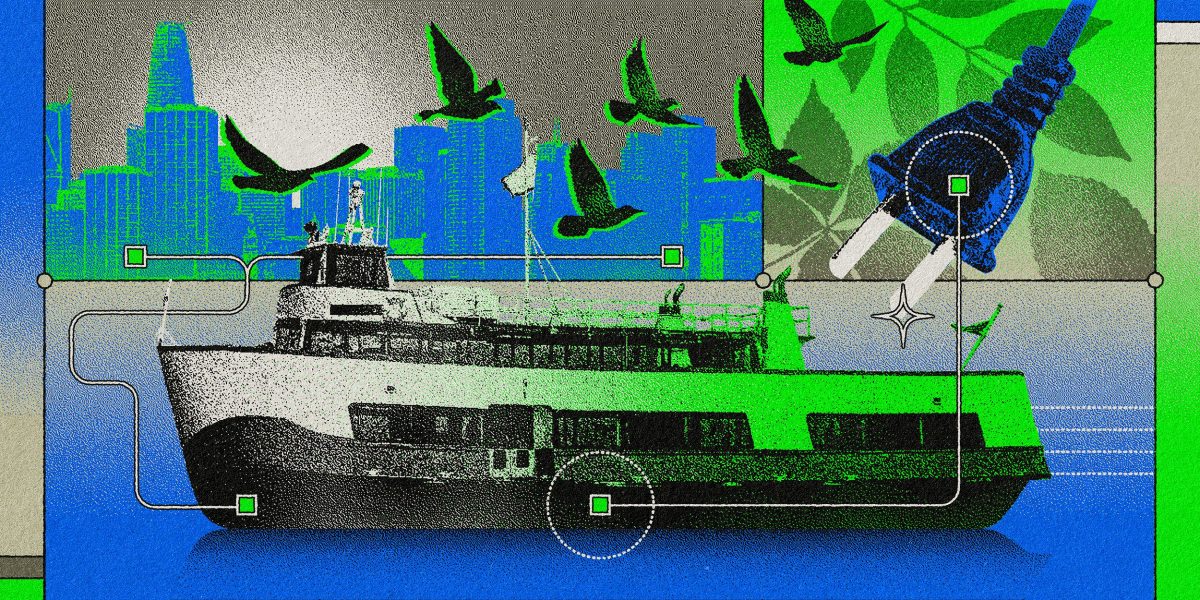

From San Francisco to Stockholm, a new generation of electric ferries is entering passenger service. Observers describe this shift as a tipping point for green maritime technology, as cities worldwide seek to reduce emissions from waterborne transport.
Background
Electric ferries are not a new concept, but recent advances in battery capacity and charging infrastructure have made them commercially viable for a broader range of routes. San Francisco Bay, for example, has launched fully electric vessels that serve commuters between the city and Oakland. Stockholm has similarly introduced electric ferries on its inner archipelago routes.
These vessels replace diesel powered ferries, which have long been a source of air and noise pollution in urban waterways. The new electric models operate silently and produce zero direct emissions during operation.
Market adoption and infrastructure
More than a dozen cities across Europe and North America have either deployed or announced plans for electric ferry services. Norway leads in adoption, with more than 60 electric ferries in operation or on order. The country has also invested in shore side charging stations that can recharge ferry batteries in under 10 minutes during passenger boarding.
The shift is driven by both environmental regulations and falling battery costs. Newer lithium ion battery packs now offer sufficient energy density for typical ferry routes of 20 to 30 nautical miles. Operators report that total cost of ownership can be lower than diesel over a 10 year lifespan, despite higher upfront purchase costs.
Implications for shipping and logistics
The success of electric ferries may accelerate electrification of other maritime segments, including harbor tugs, short sea cargo vessels, and tourist boats. Several shipbuilders have developed modular electric powertrains that can be retrofitted onto existing hulls, reducing the need for entirely new vessels.
Regulators are also paying attention. The International Maritime Organization is expected to update its greenhouse gas reduction targets for shipping in 2025, which could further incentivize electric and hybrid solutions.
Critics note that electricity generation must also become cleaner for electric ferries to deliver full environmental benefits. In regions where the grid relies on coal or natural gas, the overall carbon footprint of an electric ferry may be only modestly better than diesel. Battery recycling and disposal also remain unresolved issues at scale.
Nevertheless, the trend toward maritime electrification appears firmly established. The number of electric ferries worldwide is projected to triple by 2030, according to industry analysts. For cities along rivers, lakes, and coastlines, the quiet hum of an electric motor may soon replace the roar of a diesel engine as the characteristic sound of public water transport.
Forward looking projections indicate that most major ferry operators in Europe plan to convert at least half their fleets to electric or hybrid power by 2035. Pilot programs for wireless inductive charging are underway in Norway and Sweden, which could reduce the need for physical plug in connections at docks. These developments suggest that the era of what some residents called ferrynoia, the anxiety caused by loud, fume emitting vessels, is drawing to a close.