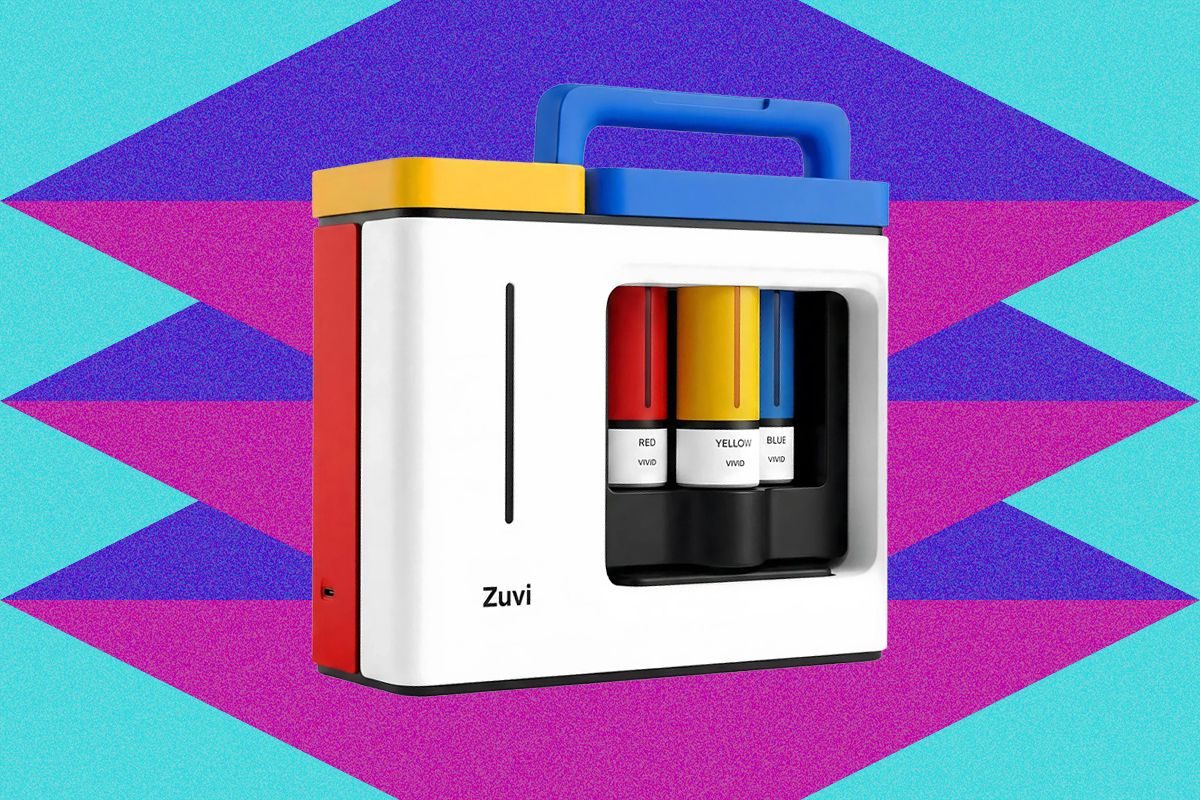

A new device marketed as a revolutionary tool for at-home hair coloring has been met with significant performance issues in initial reviews. The product, which positions itself as a printer capable of mixing and applying hundreds of custom hair dye shades, reportedly failed to deliver on its core promise during testing.
The fundamental premise involves a machine that uses cartridges of primary color dyes to mix a wide spectrum of hues. This technology is intended to provide salon-level color customization and precision for consumers in their own homes. The concept represents a notable advancement in the personal care technology sector, aiming to bridge a gap between professional equipment and consumer accessibility.
Performance Discrepancy
In practical evaluation, however, the device’s performance starkly contrasted with its advertised capabilities. Where promotional materials highlighted the potential for hundreds of unique shades, the unit struggled to consistently produce even two distinct colors. This indicates a substantial gap between the proposed technological innovation and its current functional execution.
The failure to achieve basic color mixing raises questions about the maturity of the underlying technology. It suggests potential issues with the precision of the dye dispensing mechanisms, the software algorithms controlling color formulation, or the stability of the primary color cartridges. Such core functionality is critical for a device whose primary value proposition is expansive color choice.
Market Context and Consumer Expectations
The launch of advanced beauty tech devices often generates considerable consumer interest. Products that promise professional-grade results through automated systems carry high expectations. When a device fails to perform its most basic advertised task, it can significantly impact consumer trust in the category.
This incident highlights the challenges hardware startups face when moving from concept to market-ready product. The complexity of reliably mixing and applying viscous, chemical-based dyes in a home environment presents significant engineering hurdles. It appears these challenges were not fully overcome in this initial product iteration.
For potential buyers, this review serves as a cautionary note regarding early adoption of unproven beauty technology. The substantial investment required for such a device warrants thorough research and consideration of independent performance assessments before purchase.
The broader industry for smart home beauty devices is watching such developments closely. Success or failure in early product launches can influence investment, consumer appetite, and the pace of innovation for similar future technologies.
Looking Ahead
The company behind the device now faces a critical period. Addressing the fundamental technical shortcomings will be essential for the product’s viability. This will likely require software updates, hardware revisions, or a combination of both.
Industry observers expect the manufacturer to analyze the specific points of failure in the color-mixing process. A detailed technical response and a clear roadmap for resolving the issues will be necessary to regain any lost credibility. The timeline for such corrections remains uncertain and will depend on the root cause of the performance problems.
Future developments in this niche will likely focus on achieving reliable basic functionality before expanding feature sets. The next steps for this specific product line will be closely monitored as a case study in bringing complex beauty tech to the consumer market.