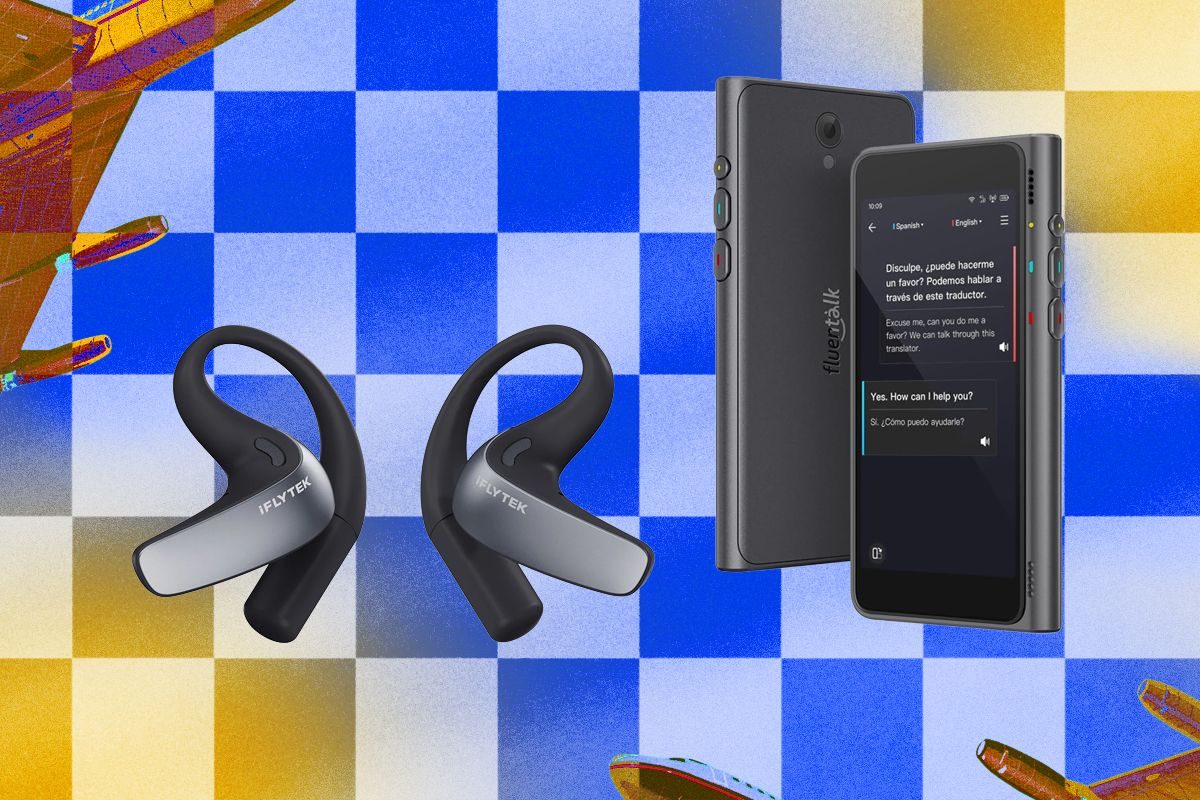

Smartphones have become ubiquitous tools for quick translations. Applications like Google Translate or Apple’s built-in translate feature can handle basic word conversions and simple phrases. However, these general purpose apps often struggle with nuance, offline performance, and battery life during extended use.
The Core Technology Behind Dedicated Translators
Handheld translation devices use a combination of speech recognition, machine translation, and text to speech engines. Most modern units employ neural machine translation, a form of artificial intelligence that processes entire sentences rather than word for word replacements. This allows for more natural phrasing and better handling of idioms.
Dedicated devices typically include specialized microphones designed to filter background noise. They also run custom operating systems that prioritize translation speed over other smartphone functions. As a result, response times are often faster than what a phone can achieve under similar conditions.
Offline Capabilities and Data Independence
One key advantage of handheld translators is their ability to work without cellular or Wi Fi connections. Many models store complete language packs locally, enabling full translation even in remote areas or underground transit systems. A smartphone can also offer offline translations, but the language database is often smaller and requires more storage management.
Data privacy is another practical consideration. Because dedicated translators process most requests on the device itself, they do not transmit conversations to external servers for every query. This reduces exposure to third party data collection, a concern for business travelers or journalists operating in sensitive environments.
Why Travelers Choose Specialized Hardware
Battery life remains a decisive factor. Handheld translators often last for several days of intermittent use, whereas a smartphone used for navigation, communication, and photography will drain much faster. Carrying a separate translation device preserves phone battery for essential tasks such as maps, tickets, and emergency calls.
Ergonomics also play a role. Dedicated translators are designed for quick, one handed operation with large buttons or touchscreens that respond well even while wearing gloves. Smartphone translation apps require unlocking the device, opening the app, and often toggling between input modes, which can be cumbersome in fast paced situations like ordering food or asking for directions.
Limitations and Trade Offs
Handheld translators are not without drawbacks. They represent an additional device to carry and charge, and their language coverage may be narrower than that of a cloud based smartphone app. For rare or regional dialects, a smartphone with an active internet connection often has access to more comprehensive databases.
Price is another factor. Quality handheld translators typically cost between $150 and $500, comparable to a mid range smartphone. Travelers who only need occasional help may find the investment hard to justify, while frequent globetrotters or expatriates often consider it worthwhile.
The market continues to evolve. Manufacturers are integrating features such as real time camera translation for menus and signs, as well as two way voice translation for natural conversations. These capabilities are gradually closing the gap with smartphone apps while maintaining the hardware advantages of speed, privacy, and reliability.
Looking ahead, the line between dedicated translators and smartphones may blur further. Some handset makers are considering specialized translation chips or enhanced offline AI models. Industry observers expect that within the next three to five years, native smartphone translation will match dedicated hardware in speed and accuracy for most major languages. Until that convergence occurs, handheld translators remain a practical choice for travelers who prioritize autonomy, battery life, and privacy over carrying one fewer device.